Slow leaks under a sink, a burst hose behind your washing machine, or a failed sump pump can turn into thousands of dollars in repairs before you even notice. Smart water leak detectors give you an early warning on your phone, so you can act before a drip becomes a disaster.
This guide walks through how smart leak detectors work, which features matter, and the best ways to place them in kitchens, bathrooms, and basements. You’ll also see example devices, smart home integrations, and clear buying advice for renters and homeowners.
Why You Need a Smart Water Leak Detector in 2026
The real cost of water damage in kitchens, bathrooms, and basements
Water damage is one of the most common and expensive home insurance claims. A small supply line leak can ruin cabinets, floors, drywall, and insulation—often long before it’s visible. Kitchens and bathrooms are high-risk because they hide plumbing behind appliances and inside cabinets. Basements and utility rooms add risk from water heaters, sump pumps, and HVAC condensate lines.
Beyond repair costs, water damage can lead to mold growth, higher humidity, and air quality problems. According to documented water damage case studies, even a few millimeters of standing water can destroy flooring and subflooring if left unnoticed.
Smart water leak detectors don’t stop pipes from failing, but they dramatically reduce how long a leak can run before you notice. Catching a leak in minutes instead of days often means the difference between a quick cleanup and a full remodel.
How smart leak detectors work (sensors, Wi‑Fi, and app alerts)
Most smart leak sensors sit on the floor or mount near potential leak points. They typically use one or more of these methods:
- Contact probes: Two metal contacts on the bottom of the sensor trigger an alert when water bridges them.
- Rope or cable sensors: A long sensing cable that detects moisture along its entire length—ideal for basements or around appliances.
- Temperature and humidity sensors: Some models add freeze detection and humidity tracking to warn you of burst pipe risk or mold-friendly conditions.
When the detector senses water, it can:
- Sound a built-in siren or beep.
- Send push notifications, texts, or emails via Wi‑Fi or a smart hub.
- Trigger automations such as shutting off a smart valve or turning on lights.
Examples include Wi‑Fi models like the Govee WiFi Water Leak Detector, hub-based options like Ring Alarm Flood & Freeze Sensor, and HomeKit-focused devices like Eve Water Guard.
Who benefits most: homeowners, renters, and landlords
Homeowners benefit from whole-home leak coverage with multiple sensors and, in many cases, a smart shut‑off valve at the main line. A leak catch here can literally save tens of thousands of dollars over the life of the home.
Renters may not control the main water supply but can still protect their belongings and avoid mold issues. Compact, battery-powered leak detectors under sinks, next to the toilet, and by the washing machine are easy to take with you when you move.
Landlords can use multi-sensor systems with app alerts to monitor multiple units or vacant properties. Catching a leak in an unoccupied apartment or basement early can prevent damage to other units and reduce disputes over responsibility.
Key Features to Look For in the Best Smart Water Leak Detector
Drip vs. pooling water vs. freeze detection
Not all detectors respond the same way to different types of leaks:
- Drip leaks: Under-sink or slow pipe leaks may not create a big puddle. Look for detectors with cable sensors you can run along the back of a cabinet or around fittings.
- Pooling water: Flat, puck-style sensors with contacts on the bottom work well in laundry rooms, near water heaters, and next to toilets.
- Freeze detection: Some smart leak detectors (like Ring Flood & Freeze) include temperature sensors that alert you when pipes are at risk of freezing, giving you time to act.
In colder climates or unheated basements, choosing a detector that combines leak and freeze warnings is usually worth the extra cost.
Wi‑Fi, Bluetooth, or smart hub (HomeKit, Alexa, Google) connectivity
Connectivity determines how and where you’ll receive alerts:
- Wi‑Fi leak detectors: Connect directly to your router and send alerts to your phone from anywhere. Good for most homes with solid Wi‑Fi coverage.
- Bluetooth-only sensors: Usually cheaper but limited to alerts when your phone is nearby. Better as a backup, not your only line of defense.
- Hub-based sensors (Zigbee/Z-Wave/Thread): Work with systems like SmartThings, Home Assistant, or a Ring or Aqara hub. They use low power, have long range, and integrate deeply into automations.
For voice assistant control, check for explicit support for Alexa, Google Home, or Apple HomeKit, depending on what you already use.
Power options: battery life, wired power, and backup
Power affects maintenance and reliability:
- Battery-powered: Most leak detectors use coin cells or AA batteries with 2–5 years of life. Great for flexibility but require occasional replacement.
- Wired power: Some Wi‑Fi sensors plug into an outlet and include a separate wired probe. Ideal for behind washing machines or water heaters where outlets are available.
- Battery backup: Certain higher-end systems include battery backup in the hub or shut‑off valve so alerts still work if power goes out.
For critical areas like basements or vacation homes, lean toward devices with long battery life and clear low-battery alerts.
Alarm types: phone alerts, sirens, lights, and automatic shut‑off valves
The best smart water leak detector doesn’t just beep—it gets your attention wherever you are:
- Push notifications and email: Standard for Wi‑Fi and hub-based systems.
- Audible alarms: Built-in buzzers or sirens are helpful if family members are home without their phones.
- Visual cues: Some detectors use LED lights to show status or alarm states.
- Automatic shut‑off: Systems like Flo by Moen or Phyn Plus add a motorized valve to your main water line. When a serious leak is detected, they can automatically stop water flow.
For high-risk rooms such as finished basements, pairing sensors with an automatic shut‑off valve provides the strongest protection.
Build quality, corded probes, and IP water resistance ratings
Detectors live in harsh spots: dusty basements, damp bathrooms, and under sinks. Look for:
- Solid build quality: Firm housing, secure battery doors, and stable feet so the sensor doesn’t tip.
- Corded probes: Helpful when the main unit needs to sit higher (e.g., on a wall) while the probe touches the floor or runs behind appliances.
- IP ratings: An IP rating (e.g., IP65) tells you how resistant the device is to water and dust. Higher ratings mean the device can handle splash or brief submersion without failing.
Best Smart Water Leak Detectors for Kitchens
Top pick for under‑sink and dishwasher leaks
Under-sink cabinets and dishwashers often hide slow leaks from supply lines, P-traps, and drain hoses. A good kitchen leak detector should fit in a corner and detect water as soon as it spreads.
Look for a Wi‑Fi puck-style sensor, such as the Moen Smart Water Detector or Govee WiFi detector, placed at the lowest point in the cabinet floor. For dishwashers, position a sensor under the front edge or slightly to the side, where water is most likely to escape if a hose fails.
Key features for kitchen use:
- Low profile body to fit under pipes.
- Loud built-in alarm to hear over kitchen noise.
- Strong Wi‑Fi connection from under cabinets.
Best detector for refrigerator and ice‑maker lines
Refrigerator leaks often come from the thin plastic or copper lines feeding the ice maker and water dispenser. These leaks can soak behind the fridge and under flooring.
Ideal setup:
- A compact sensor placed directly behind or beside the fridge, as close as possible to the water connection.
- Optional cable-style probe snaked under the fridge where water would pool first.
Battery-powered models with strong wireless range, like Aqara Water Leak Sensor paired with an Aqara hub, work well because they don’t need an outlet and have good signal penetration.
Compact options for tight cabinet spaces
Some kitchen cabinets barely have room between plumbing and the back wall. In these cases, look for:
- Small footprint sensors: Thin, coin-sized devices or compact rectangles.
- Detachable probes: Mount the main body vertically on a cabinet wall and run the probe to the cabinet floor.
- Side contact points: Sensors that can detect water from the side as well as the bottom.
These compact options are especially useful for condo or apartment kitchens where plumbing is jammed into shallow cabinets.
Best Smart Water Leak Detectors for Bathrooms
Recommended sensors for toilets and sink cabinets
Toilets often leak at the base seal or from supply lines. A small puddle can go unnoticed behind a trash can or plunger.
For toilets, place a puck-style detector:
- Behind the toilet near the shut‑off valve, with contacts touching the floor.
- Or slightly to the side where you’d expect water to flow if the wax ring fails.
Under bathroom sinks, treat placement like a mini kitchen: one sensor near the back of the cabinet, slightly under the P-trap or supply valves. If space is tight, use a sensor with a cable probe that you can tuck behind stored items.
Best leak detectors for washing machines and laundry closets
Washing machine hoses are notorious for bursting or slowly leaking at fittings. For laundry rooms or closets:
- Place at least one sensor at the front of the washer, centered under the door or along the front edge.
- If possible, add a second sensor or cable behind the machine near the hose connections.
- Consider wired sensors that plug into an outlet to avoid battery access issues behind stacked units.
Some systems pair leak sensors with automatic shut‑off valves that close when leaks are detected near washing machines, greatly reducing flood risk in upper-floor laundries.
Humidity and mold‑risk monitoring add‑ons
Bathrooms naturally get humid, but persistent high humidity and hidden moisture can lead to mold and mildew. Some smart leak detectors include humidity sensing or integrate with separate humidity sensors.
Combining a water leak sensor with a smart humidity monitor lets you:
- Spot ventilation issues after showers.
- Get alerts if humidity stays high, suggesting a slow leak or poor exhaust fan performance.
- Trigger automations, such as turning on a smart exhaust fan when humidity exceeds a threshold.
For more background on how moisture drives mold growth, the U.S. EPA has practical guidance on mold and dampness in buildings.
Best Smart Water Leak Detectors for Basements and Utility Rooms
Long‑cable and rope‑style sensors for perimeter walls
Basements are exposed to seepage from foundation walls and floors. Rope or cable-style leak detectors are ideal here because they can cover long stretches.
Run a sensing cable:
- Along perimeter walls where water has appeared before.
- Near known problem spots like window wells or bulkhead doors.
- Around the base of storage shelves where boxes sit on the floor.
Choose systems that let you daisy-chain multiple cables to cover more area with a single smart module.
Detectors designed for sump pumps and water heaters
Sump pumps and water heaters are high-risk single points of failure. For best protection:
- Sump pump: Place one sensor on the floor near the pit to detect overflow, and another slightly higher on the discharge line or pit wall to detect early overfill.
- Water heater: Position a sensor at the lowest point near the tank and another under the pressure relief valve outlet if possible.
Some smart leak detectors are sold in kits specifically labeled for water heaters or sump pumps, often including mounting brackets and long probes.
Whole‑home systems with multiple sensors and a single app
If you want coverage in several rooms plus the basement, look for systems that support:
- Multiple sensors (often 10+ per hub or account).
- Room labeling in the app so you know exactly where a leak occurs.
- Event history so you can review past alerts and conditions.
Examples include multi-sensor kits from Govee, YoLink (LoRa-based long-range sensors), or hub-driven systems like Aqara and Ring Alarm. These are good choices for larger homes, rental portfolios, or vacation properties.
Comparison Table: Best Smart Water Leak Detectors at a Glance
Side‑by‑side comparison of features, battery life, and price
Here’s a simplified comparison of popular smart leak detectors to help you narrow options. Prices are approximate and may vary by retailer.
| Model | Connection | Typical Battery Life | Approx. Price (USD) | Best For |
|---|---|---|---|---|
| Govee WiFi Water Leak Detector | Wi‑Fi | 1–2 years | Budget | Starter setups, renters |
| Ring Alarm Flood & Freeze Sensor | Z-Wave (Ring hub) | Up to 3 years | Mid‑range | Homes with Ring Alarm |
| Aqara Water Leak Sensor | Zigbee (Aqara hub) | 2–3 years | Mid‑range | Whole-home sensor networks |
| Eve Water Guard | Thread/HomeKit | Powered (plug‑in) | Premium | Apple HomeKit households |
| Flo by Moen Smart System | Wi‑Fi | Valve powered, sensors battery | Premium+ | Whole-home with shut‑off |
Connectivity and ecosystem compatibility (Alexa, Google, HomeKit)
Before buying, match sensors to your existing ecosystem:
- Alexa / Google Home: Many Wi‑Fi sensors support these assistants for voice status checks or routines.
- Apple HomeKit: Devices like Eve Water Guard or some Aqara sensors (via hub) fit well here.
- SmartThings / Home Assistant: Zigbee and Z-Wave leak sensors are popular with DIY automation platforms.
Ideal placement (kitchen, bathroom, basement) for each model
In general:
- Compact Wi‑Fi pucks: Best for kitchens and bathrooms under sinks and near toilets.
- Cable/rope sensors: Best for basements, perimeter walls, and around water heaters.
- Hub-based sensors: Ideal if you’re already invested in an ecosystem and want consistent coverage across many rooms.
- All‑in‑one systems with shut‑off: Best for whole-home protection, especially in single-family houses.
Smart Home Integration and Automation Ideas
Linking leak alerts to smart lights and sirens
Even with phone notifications, loud and visible alerts help when multiple people are home:
- Flash smart bulbs red in the affected room when a leak is detected.
- Trigger a smart siren (e.g., a siren from your security system) for basement leaks that might go unheard.
- Turn on pathway lights from bedroom to leak location at night.
Using smart plugs and valves to automatically shut off water
For high-risk appliances, you can automate shut‑off actions:
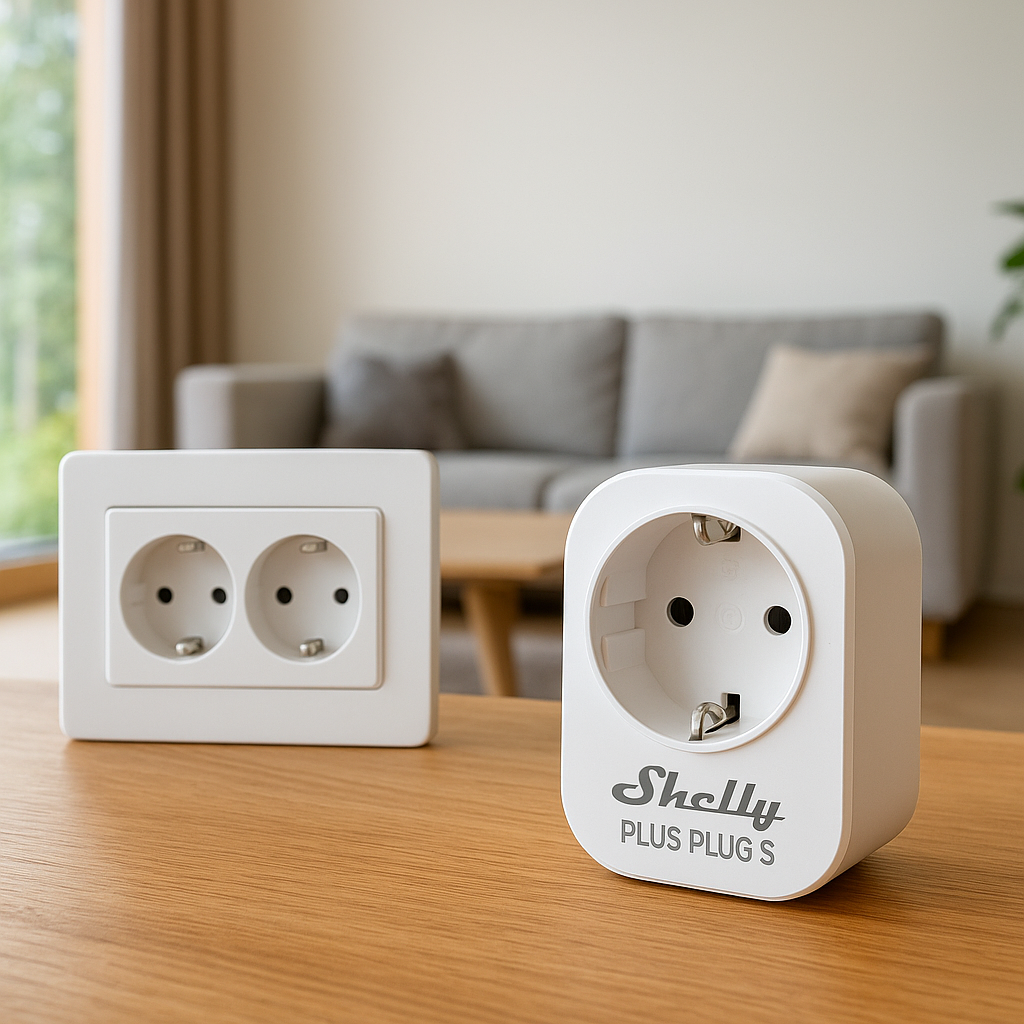
- Link a washing machine leak sensor to a smart plug that cuts power to the washer when water is detected.
- Use a whole-home valve system (Flo by Moen, Phyn) that closes the main water supply if any connected sensor triggers.
- For dishwashers or fridge lines on small shut‑off valves, pair sensors with inline smart valves if available in your region.
Combining leak detectors with humidity and temperature sensors
Adding humidity and temperature data makes your system smarter:
- Freeze alerts combined with leak detection are powerful in unheated basements and vacation homes.
- High humidity plus a recent leak event can trigger extra ventilation or dehumidifier runtimes.
- Smart routines can notify you when humidity stays above a threshold after a leak, reminding you to keep drying the area.
Installation Guide: Where and How to Place Leak Detectors
Kitchen placement: under sink, dishwasher, and fridge
For the kitchen, aim for coverage at:
- Under-sink cabinet: One sensor at the lowest point, usually near the front edge.
- Dishwasher: A sensor at the front corner under the door or just inside adjacent cabinetry.
- Refrigerator: A sensor behind or to the side, as close as possible to the water connection.
Make sure sensors are flat, not resting on flexible drain lines or trash bags, and that you can still reach them to test and change batteries.
Bathroom placement: toilet base, shower, and under vanity
In bathrooms:
- Toilet: Place sensors where water would naturally flow if the wax ring failed—usually around the base at the back or side.
- Vanity: Under the sink, similarly to the kitchen, and away from cleaning bottles that might get knocked over.
- Shower / tub: If you’ve had past leaks, use a cable sensor along the shower curb or under a nearby access panel.
Basement placement: near HVAC, water heater, and sump pump
For basements and utility rooms, target:
- Directly under or next to the water heater.
- Beside the sump pit and along suspected seepage lines.
- Under HVAC air handlers or near condensate pumps and drain lines.
- Along walls where water has previously entered.
Common installation mistakes to avoid
To get reliable alerts, avoid these pitfalls:
- Placing sensors on uneven surfaces where water can pool elsewhere first.
- Blocking sensors with storage bins or cleaning supplies.
- Installing sensors out of Wi‑Fi or hub range.
- Never testing sensors after placement.
Maintenance, Testing, and Battery Replacement
How often to test your smart water leak detectors
Regular testing keeps your system reliable. A simple schedule:
- Press the test button (if available) or touch a damp cloth to the contacts every 3–6 months.
- Confirm you receive a notification on your phone and any automations run.
- Log the test dates in your smart home app or calendar.
Signs your detector isn’t working properly
Watch for:
- Offline or unreachable status in the app.
- Very weak or missing test alerts.
- Physical corrosion on contacts or battery terminals.
- Frequent false alarms with no visible moisture.
If you see these, clean the contacts, move the sensor closer to your hub/router, or replace the device if it’s older or damaged.
Replacing batteries and updating firmware
Most apps show battery levels and will warn you when batteries are low. Good practices:
- Replace batteries in all detectors in a room at the same time to keep maintenance simple.
- Use quality alkaline or lithium batteries recommended by the manufacturer.
- Install firmware updates through the app to fix bugs and improve connectivity.
Buying Guide: Budget, Mid‑Range, and Premium Options
What you get at different price points
Budget (single Wi‑Fi sensors or small packs): Basic leak alerts, app notifications, and sometimes local beepers. Great for renters or starting with one or two critical spots.
Mid‑range (hub kits or larger packs): Multiple sensors with better battery life, hub integration, and support for routines, voice assistants, and more advanced alerts.
Premium (whole-home plus shut‑off valves): Flow monitoring at the main line, automatic shut‑off, advanced analytics, and dozens of distributed sensors around the home.
When a shut‑off valve add‑on is worth it
A smart shut‑off valve is usually worth considering if:
- You own the home and plan to stay for several years.
- You have finished basements, hardwood floors, or upper-level laundry rooms.
- You travel frequently or maintain a vacation home.
The upfront cost is higher, but a single avoided flood can repay the investment.
Best choices for renters vs. homeowners
Renters: Choose battery-powered Wi‑Fi or hub-based sensors that don’t require plumbing changes. Focus on movable sensors under sinks, next to toilets, and by the washing machine.
Homeowners: Consider a mix of low-cost sensors in many locations plus a premium system with shut‑off at the main line. If you already use a smart security system, see if it offers compatible leak sensors to keep everything in one app.
Frequently Asked Questions About Smart Water Leak Detectors
Do smart leak detectors require a smart home hub?
No. Many popular models connect directly to Wi‑Fi and only need your phone and the manufacturer’s app. However, hub-based sensors (Zigbee, Z-Wave, Thread) can offer better battery life, longer range, and deeper automation with platforms like SmartThings, Apple Home, or Home Assistant.
Will they work during internet or power outages?
Most sensors will still detect water and sound a local alarm during internet outages. You may not receive push notifications if your router or modem is offline. During power outages, battery-powered sensors continue to work, but hub or router-based notifications may fail unless you have backup power. Some premium systems use cellular backup for alerts.
How many leak sensors does a typical home need?
As a starting point, cover:
- Each bathroom (toilet and vanity).
- Kitchen sink, dishwasher, and fridge line (2–3 sensors).
- Washing machine area (1–2 sensors).
- Water heater and sump pump in the basement.
That’s usually 6–10 sensors for an average home. Larger homes or houses with multiple water heaters or laundry rooms may need more.
Final Recommendations and Next Steps
Quick picks by room: kitchen, bathroom, and basement
For a simple plan:
- Kitchen: Compact Wi‑Fi puck under the sink and near the dishwasher; small sensor behind the fridge.
- Bathroom: One puck at each toilet base and one under each vanity.
- Basement: Rope or cable sensors around the sump pump and water heater; extra sensors along problem walls.
How to prioritize leak detection in your smart home plan
If you’re building your smart home step by step, add leak detectors early—often before fancy lighting or speakers. Focus on:
- High-cost risk areas (finished basements, upper-floor laundry).
- Known problem spots (previous leaks or damp corners).
- Spaces that are rarely checked (utility rooms, under rarely used sinks).
Checklist before you buy and install your first detector
Before you hit “buy,” run through this quick checklist:
- List all water-using appliances and fixtures in your home.
- Decide how many sensors you need and where they should go.
- Choose Wi‑Fi or hub-based sensors based on your current smart home setup.
- Confirm ecosystem support (Alexa, Google, HomeKit) if you want voice or automation.
- Plan a maintenance routine for testing and battery replacement.
With a handful of well-placed smart water leak detectors, you can dramatically reduce your risk of expensive, disruptive water damage in kitchens, bathrooms, and basements—without turning your home into a science project.