Blackout smart curtains and blinds can completely change how your bedroom or nursery feels at night. Instead of wrestling with pull cords or forgetting to close the curtains, you can let quiet motors, timers, and voice control keep the room dark and peaceful every day.
This guide walks through what matters most in blackout smart window treatments, how to choose between curtains and blinds, and which features are worth paying for in bedrooms and nurseries. You’ll also find practical examples of popular devices, setup tips, and automation ideas that actually help you sleep better.
Why Blackout Smart Curtains and Blinds Matter for Sleep
Benefits of true blackout vs. room-darkening fabrics
Retailers often use “blackout” and “room-darkening” interchangeably, but they’re not the same. For bedrooms and nurseries, the difference is huge.
- True blackout: Designed to block 90–100% of incoming light. Typically uses tightly woven or multi-layer fabrics with a blackout coating. Ideal for shift workers, light-sensitive sleepers, and baby rooms.
- Room-darkening: Reduces most light but still allows some glow, especially around the edges and through thinner materials. Better for living rooms or spaces where you still want some daylight.
For the best blackout smart curtains, look for terms like “100% blackout,” “3-pass coated,” or “thermal blackout.” Blinds and shades should specify a blackout rating or show comparison photos in bright conditions. Combine good fabric with a smart track or headrail that minimizes side gaps to get close to a theater-like darkness.
How light exposure affects adult and baby sleep cycles
Our bodies use light as a key signal to regulate circadian rhythms and melatonin production. Even small amounts of light at night—from streetlights, car headlights, or an early sunrise—can make it harder to fall asleep or stay asleep. This is especially true for babies and toddlers whose sleep cycles are still developing.
Research around circadian rhythm shows that darkness supports deeper, more stable sleep. For infants, a consistently dark environment during nap times and nighttime helps them learn the difference between day and night and reduces overstimulation.
Blackout smart curtains and blinds make this easier by removing the “oops, I forgot to close the shades” factor and keeping light levels predictable.
Why smart control (timers, routines) beats traditional blackout curtains
Regular blackout curtains only work if you remember to open and close them at the right times. Smart systems add:
- Automation: Set schedules for bedtime, naps, and wake-up times so the room is dark—or gently brightening—without you touching a thing.
- Consistency: Curtains close at the same time every night, which strengthens sleep cues for adults and kids.
- Hands-free control: Use voice commands or app control when your hands are full of baby gear or you’re already in bed.
- Remote access: Close blinds from your phone if you forgot before leaving home, which also helps with energy savings.
Key Features to Look For in Blackout Smart Curtains
Fabric density, side gaps, and track design for complete darkness
The best blackout smart curtains combine heavy fabric with hardware that blocks light leaks:
- Fabric: Look for high GSM (grams per square meter) or multiple layers with a blackout lining. Velvet, tightly woven polyester, and coated fabrics work well.
- Coverage: Curtains should extend several inches past both sides of the window and slightly above/below the frame to block edge light.
- Track/rod design: Curved or wraparound tracks, like many motorized tracks from Yoolax or Graywind, let the curtain wrap toward the wall to seal side gaps.
- Overlap in the middle: For split-draw curtains, ensure panels overlap in the center to avoid a bright vertical line.
Motor noise levels (decibel ranges) for bedrooms and nurseries
In quiet rooms, motor noise matters as much as blackout performance. Most quality smart curtain motors fall in the 25–40 dB range:
- Under 30 dB: Very quiet, similar to a whisper. Ideal for nurseries and light sleepers.
- 30–40 dB: Audible but not disruptive. Fine for most adult bedrooms.
- Over 40 dB: Noticeable; better suited to living areas than sleeping spaces.
Look for brands that publish noise specs, such as SwitchBot Curtain or Somfy Glydea tracks. If specs aren’t listed, check reviews specifically mentioning motor noise before buying.
App control, voice assistants, and remote options
Good smart curtains should fit into your existing ecosystem.
- App control: Most systems use Wi‑Fi or a hub. Apps let you set positions (e.g., 50% open), schedules, and groups (e.g., control all bedroom windows together).
- Voice assistants: Look for compatibility with Alexa, Google Assistant, or Apple HomeKit. Many motors integrate via Tuya/Smart Life, Aqara, or proprietary hubs.
- Physical remote: A simple RF or Bluetooth remote is handy for guests, kids, or when you don’t want to reach for your phone.
Timers, schedules, and sunrise/sunset automation
Automations are where blackout smart curtains really shine:
- Fixed schedules: Close at 8:30 p.m., open at 7:00 a.m. every day or only on weekdays.
- Sunrise/sunset: Adjust automatically throughout the year based on local sunrise and sunset, which is great for consistent darkness in summer mornings.
- Gradual open/close: Some systems let you move in stages (e.g., open 20% every 5 minutes) to mimic a sunrise for gentle wake-ups.
Safety features for nurseries (cordless designs, child-safe mounts)
For nurseries and kids’ rooms, safety is non-negotiable:
- Cordless operation: Avoid dangling cords entirely. Smart curtains on tracks and motorized roller shades are typically cord-free.
- Secure mounts: Make sure brackets are anchored into studs or with high-quality anchors so kids can’t pull them down.
- Covered power cables: Route cables along walls with cable covers or behind furniture so they aren’t within grabbing distance.
- Child lock: Some remotes and apps support lockout modes to prevent accidental operation.
Choosing Between Smart Curtains vs Smart Blinds for Bedrooms
When curtains are better for blackout performance
Smart curtains usually win for pure darkness:
- They can cover well beyond the window frame and overlap walls.
- Thick fabric absorbs both light and some sound, making rooms feel quieter.
- Motorized tracks allow large spans and heavy blackout panels.
If you have standard windows and enough wall space on either side, a motorized track with blackout curtains (for example, a Somfy or Yoolax track with 100% blackout drapes) is often the best path to a hotel-level dark bedroom.
When blinds or shades make more sense (space, style, budget)
Smart blinds and shades can be the better choice when:
- Space is tight: Inside-mounted roller or cellular shades sit within the frame, ideal for small rooms where curtains would feel bulky.
- Minimalist look: Roller shades or honeycomb shades give a clean, modern appearance.
- Budget: A single motorized blackout roller shade can cost less than a full motorized curtain track plus fabric.
- Multiple narrow windows: Individual smart shades per window can be easier than one long curtain track.
Layering strategies (blinds + curtains) for near-total darkness
For the darkest possible room, layer treatments:
- Inside-mounted blackout roller or cellular shade to block most light in the frame.
- Outside-mounted blackout curtains on a wraparound track to cover edge leaks.
- Optional sheer layer for daytime privacy with light when the blackout layers are open.
You can motorize one or both layers. A common strategy is a smart shade for daily use and manual blackout curtains you close only on weekends or for naps.
Best Blackout Smart Curtains for Bedrooms (Top Picks)
Premium track system with ultra-quiet motor and full app control
Premium systems like Somfy Glydea or custom tracks offered through integrators prioritize silence and smooth motion. Typical features include:
- Ultra-quiet motors (often under ~30 dB).
- Soft start/stop to avoid jerky motion.
- Integration with systems like Alexa, Google, and HomeKit via hubs.
- Custom-length tracks that fit wall-to-wall across large windows.
These are ideal for master bedrooms where you want the most refined experience and plan to keep the system for many years.
Mid-range smart curtains with strong blackout fabric and timers
Mid-range kits from brands like Yoolax and Graywind sell motorized curtain tracks and blackout fabrics as a package. You typically get:
- Quiet DC motors suitable for bedrooms.
- Companion apps or Tuya/Smart Life integration for timers.
- Remote control plus optional voice control via a Wi‑Fi hub.
- Choice of several blackout fabric colors to match decor.
These systems are a solid balance of cost, performance, and flexibility for most homes.
Budget-friendly retrofit kits for existing curtains
If you already have blackout curtains you like, retrofit kits such as SwitchBot Curtain can turn a standard rod or track into a smart system:
- Clamp or slide onto existing rods (U-rail, I-rail, or round rods).
- Battery-powered with USB charging, often supporting solar add-ons.
- App control, basic schedules, and optional voice control via a hub.
Retrofits won’t fix side gaps or fabric quality, but they’re an inexpensive way to add automation without replacing your curtains.
Comparison table: noise level, blackout rating, smart platform support
| Type | Example | Approx. Noise Level | Blackout Potential* | Smart Platforms |
|---|---|---|---|---|
| Premium track | Somfy Glydea (via dealer) | Very quiet (<30 dB) | Excellent with good fabric | Alexa, Google, HomeKit (via hub) |
| Mid-range kit | Yoolax/Graywind motorized curtains | Quiet (~30–40 dB) | Very good with blackout panels | Alexa, Google (Wi‑Fi hub) |
| Retrofit motor | SwitchBot Curtain | Moderate (~35–40 dB) | Depends on existing curtains | Alexa, Google, HomeKit (via hub) |
*Blackout potential assumes use of true blackout fabric and proper sizing.
Best Blackout Smart Blinds and Shades for Bedrooms
Roller blackout shades with built-in motor and app
Motorized blackout roller shades are simple, clean, and effective. Options range from DIY-friendly brands like IKEA FYRTUR to custom-made shades from various online retailers. Typical features include:
- Battery or plug-in motors concealed in the roller tube.
- Dense blackout fabric with side channels available as an upgrade.
- App and remote control; some models support voice assistants through a gateway.
Cellular/honeycomb smart shades for insulation and darkness
Cellular (honeycomb) smart shades add insulation on top of blackout capabilities:
- Air pockets reduce heat transfer, which helps bedrooms stay cooler in summer and warmer in winter.
- Available in blackout fabrics that stop light from passing through the cells.
- Often integrate with systems like Lutron Caséta or proprietary hubs for advanced scheduling.
Retrofit smart blind motors for existing roller or zebra blinds
If you already own roller or zebra blinds that fit well, retrofit motors such as Aqara Roller Shade Driver or tube-shaft motors can make them smart:
- Attach to existing bead chains or replace the internal tube motor.
- Add app control, schedules, and voice commands to your current shades.
- Useful for rentals, where replacing hardware might not be allowed.
Comparison table: light blocking, installation type, price range
| Type | Light Blocking | Installation | Typical Price Range (per window) |
|---|---|---|---|
| Motorized blackout roller shade | Very good; excellent with side channels | Inside or outside mount | Mid ($$) |
| Blackout cellular shade | Very good plus insulation | Inside mount preferred | Mid–high ($$–$$$) |
| Retrofit blind motor | Depends on existing fabric and fit | Add-on to existing shade | Low–mid ($–$$) |
Best Blackout Smart Curtains and Blinds for Nurseries
Quietest options for baby rooms (low dB motors)
For nurseries, prioritize motors rated under ~30–35 dB. Premium curtain tracks and high-quality roller shade motors are good candidates. Features that help in baby rooms:
- Slow, smooth movement that won’t startle a sleeping baby.
- Optional “soft open” near the top to let a small amount of light in before fully opening.
- Battery power to avoid visible cords or nearby outlets.
Cordless and child-safe hardware considerations
Nursery safety checklist:
- Use cordless smart shades or curtains only.
- Mount hardware high and out of reach, anchored into studs.
- Route any power cables behind furniture or through raceways.
- Choose rounded, low-profile brackets where possible to reduce bumps and snags.
Gentle wake-up routines vs. full blackout for nap time
Babies and toddlers benefit from different light strategies at different times:
- Nap time: Full blackout helps reduce visual stimulation and daytime glare. A schedule that closes shades 10–15 minutes before nap time can become a strong sleep cue.
- Morning wake-up: For older toddlers, a gentle “sunrise” routine—opening shades slightly over 10–20 minutes—can signal that it’s okay to get out of bed.
Set separate scenes in your app, such as “Nap,” “Night,” and “Good Morning,” so you can trigger them with a tap or voice command.
Backup manual control during power or Wi‑Fi outages
Plan for those days when Wi‑Fi or power isn’t cooperating:
- Choose motors that still respond to RF remotes or manual tug-to-open features.
- Some battery-powered tracks let you move the curtain by hand without damaging the motor.
- Set default positions so shades return to a known state once power resumes.
Smart Home Compatibility: Alexa, Google, HomeKit and More
Native integrations vs. using hubs (Zigbee, Z-Wave, Matter)
Smart window treatments connect in a few different ways:
- Direct Wi‑Fi: Simple setup, app-based control, and often direct Alexa/Google support. Good for smaller homes.
- Zigbee/Z-Wave: Require a hub (e.g., Aqara, SmartThings), but tend to be more reliable and power-efficient.
- Matter / Thread: Emerging standards that aim to simplify cross-platform support, especially with HomeKit, Alexa, and Google Home.
Check whether your chosen system supports your primary platform natively or needs a hub, and factor that into total cost.
Creating bedtime and wake-up routines with voice assistants
Voice assistants make control more natural:
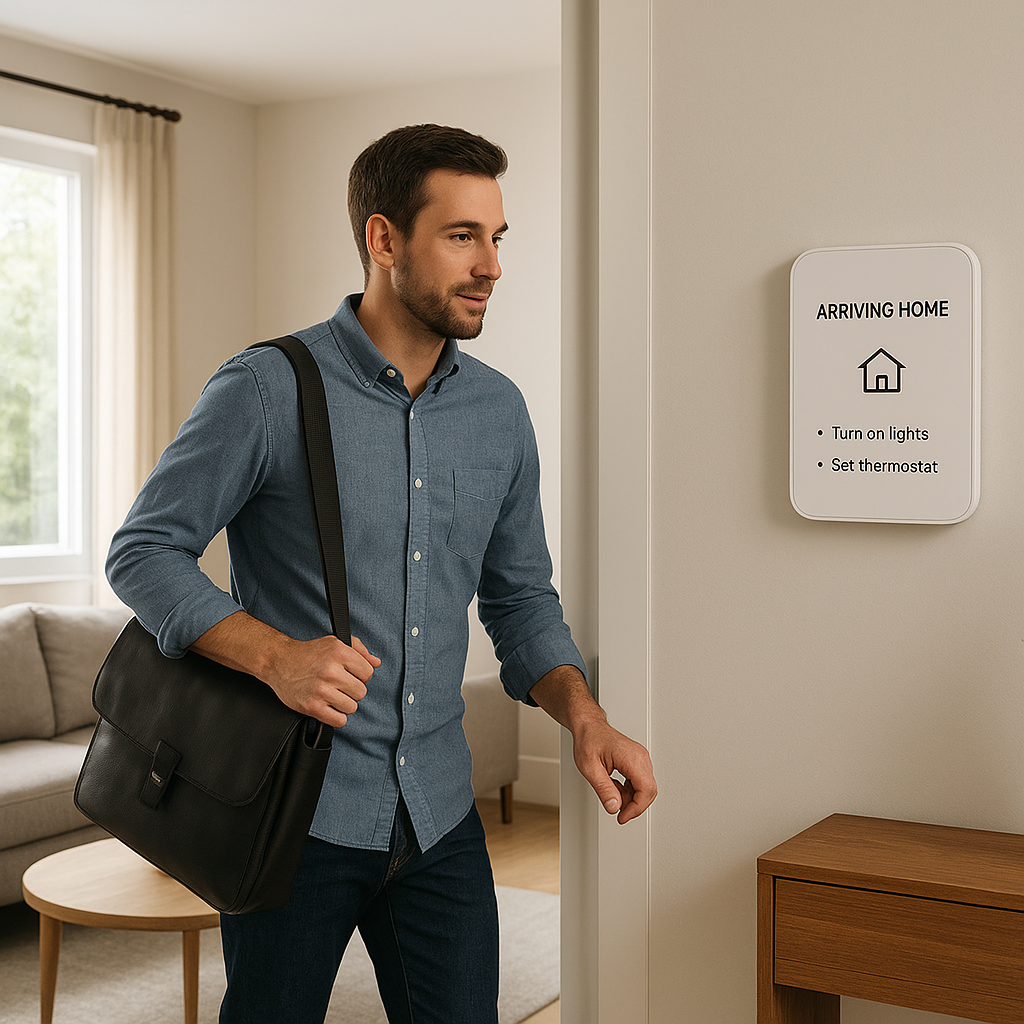
- “Alexa, goodnight” can close bedroom curtains, lock the door, and turn off lights as part of a routine.
- “Hey Google, good morning” can open shades to 50% and start a wake-up playlist.
- In HomeKit, scenes like “Sleep” or “Wake Up” can adjust blinds, thermostats, and lights together.
Integrating with smart lights and sound machines for sleep scenes
Pairing blackout smart curtains with other devices turns a room into a sleep-friendly environment:
- Smart lights: Dim or shift to warmer colors while curtains close.
- Sound machines: Turn on white noise at the same time blinds close to block outside sounds.
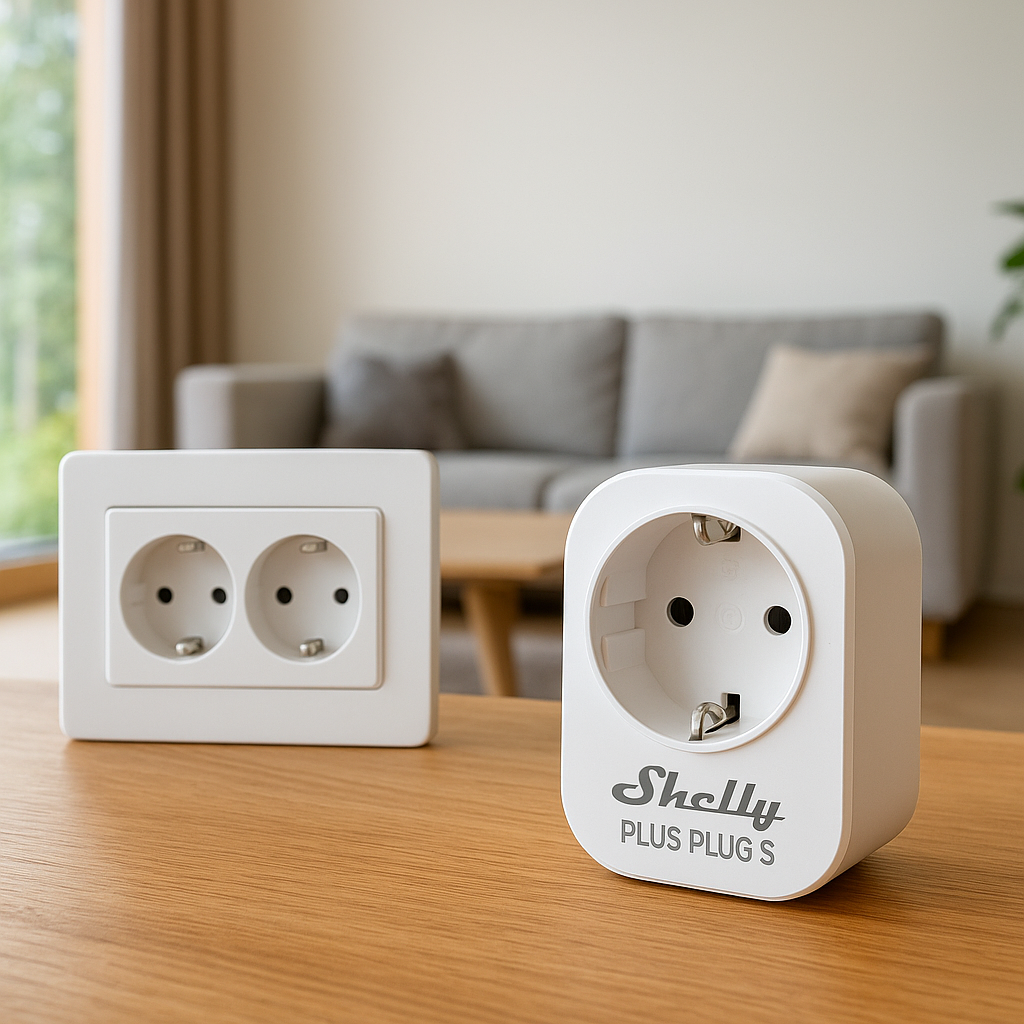
- Smart plugs: Control non-smart sound machines or lamps in sync with window treatments.
Installation and Setup Tips for Blackout Smart Window Treatments
Measuring correctly to eliminate light leaks on the sides and top
Accurate measurements are crucial for blackout performance:
- For inside mounts, measure width and height in three places and use the smallest measurements.
- For outside mounts, add 3–6 inches on each side and above/below the frame to reduce light gaps.
- Double-check that the motor and brackets will clear any window handles or trim.
Inside mount vs. outside mount for maximum blackout
Both mounting styles can work, but they behave differently:
- Inside mount: Cleaner look, but more prone to small side gaps unless you use side channels.
- Outside mount: Better for blackout because fabric can overlap the wall around the window.
- For curtains, mounting the track several inches above the frame and extending beyond the sides improves darkness significantly.
Power options: plug-in, hardwired, and battery-powered motors
Think through how you’ll power the motors before ordering:
- Battery-powered: Easiest to install and great for rentals or windows without nearby outlets. Look for long battery life or solar chargers.
- Plug-in: Reliable but requires a nearby outlet and cable management.
- Hardwired: Cleanest look and no battery upkeep, but usually requires an electrician, especially near windows.
Wi‑Fi signal and hub placement for reliable control
Smart shades are only smart if they respond reliably:
- Ensure your router or mesh node provides strong coverage in bedrooms and nurseries.
- Place Zigbee/Z-Wave hubs centrally or near the window treatments.
- Avoid enclosing hubs in metal cabinets or behind large appliances, which can interfere with signal.
Automation Ideas: Timers, Routines, and Sleep Schedules
Setting automated bedtime and wake-up schedules
A few simple automations can make your blackout smart curtains feel indispensable:
- Close bedroom shades 30–60 minutes before your ideal bedtime to signal wind-down time.
- Open gradually in the morning to help you wake without harsh overhead lights.
- Stagger automations in different rooms so the whole home doesn’t move at once.
Using sunrise/sunset and geofencing for hands-free control
Use built-in triggers many apps provide:
- Sunset-based closing so shades shut as it gets dark, without chasing changing daylight times.
- Sunrise-based opening delayed by 30–60 minutes for weekends.
- Geofencing: Close blinds automatically when everyone leaves the house for privacy and energy savings.
Creating nap-time scenes for toddlers and babies
For families, dedicated nap-time scenes are especially helpful:
- Close nursery curtains to 100%, dim lights to 10–20%, and turn on white noise.
- Use a slightly different routine (e.g., different light color) for naps vs. night to keep sleep cues clear.
- Trigger scenes from a smart button near the crib for quick access.
Energy Savings and Comfort Benefits
How blackout smart curtains reduce heat gain and loss
Blackout fabrics often double as thermal barriers. According to U.S. Department of Energy guidance on energy-efficient window attachments, well-managed window coverings can significantly reduce heat gain in summer and heat loss in winter.
Smart control enhances this by closing shades during peak heat and opening them to capture free solar warmth when it’s cold.
Pairing with smart thermostats for better climate control
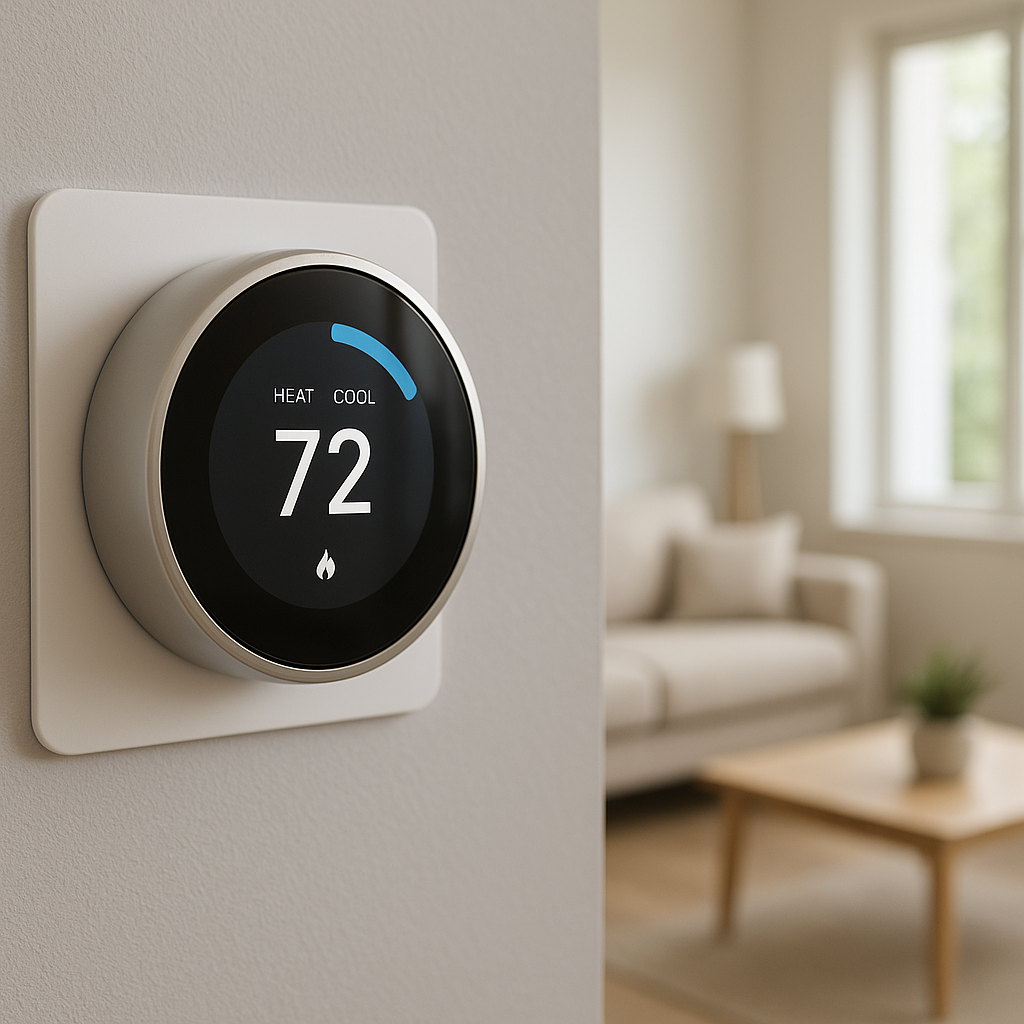
Integrate your window treatments with a smart thermostat for better comfort:
- Close south-facing blinds on hot afternoons to reduce AC load.
- Open sunny windows in winter mornings while the thermostat slightly reduces heating.
- Use occupancy or sleep modes so the system doesn’t waste energy on empty rooms.
Seasonal schedules (summer cooling vs. winter insulation)
Adjust automations seasonally:
- Summer: Close shades during the hottest part of the day, especially on east and west windows.
- Winter: Open shades on sunny days for passive solar heat, then close at dusk for insulation.
- Set reminders to review schedules each season so they stay aligned with changing daylight and weather.
Troubleshooting Common Issues
Dealing with noisy motors in quiet rooms
If motors are louder than expected:
- Check for loose brackets or tracks that amplify vibration.
- Use rubber washers or dampening pads between hardware and wall.
- Update firmware if available; some brands refine motor control over time.
- If noise is still unacceptable, consider relocating the motor or choosing a premium low-dB model for the most critical room.
Fixing small light leaks around the edges
Small leaks can be reduced without replacing everything:
- Add side tracks or light-blocking channels for roller shades.
- Extend curtain rods or tracks further past the window.
- Use adhesive light-blocking strips on window frames where tiny gaps remain.
- Consider adding a secondary layer, such as a manual blackout curtain over a smart shade.
Connectivity problems with Wi‑Fi, hubs, or apps
If your smart shades stop responding:
- Check Wi‑Fi strength in the room; move a mesh node closer if needed.
- Power-cycle the motor and any associated hub.
- Ensure firmware and apps are updated.
- If devices frequently drop offline, consider Zigbee/Z-Wave options with a local hub for more stable control.
Final Recommendations and Buying Checklist
Quick decision guide: bedroom vs nursery priorities
For a typical adult bedroom, prioritize:
- Strong blackout performance.
- Reliable schedules and voice control.
- Style that matches the room.
For nurseries, prioritize:
- Quiet, low-dB motors.
- Cordless safety and secure mounts.
- Simple scenes for naps and bedtime that caregivers can trigger easily.
Feature checklist before you buy (noise, blackout, platform, safety)
Run through this checklist before checking out:
- Does the fabric offer true blackout, not just room-darkening?
- Will the hardware cover or minimize side and top light gaps?
- Is the motor noise level acceptable for a bedroom or nursery?
- Does it integrate with your preferred platform (Alexa, Google, HomeKit)?
- Is the power option (battery, plug-in, hardwired) practical for that window?
- For kids’ rooms, is the installation fully cordless and child-safe?
When to hire a pro installer vs DIY installation
DIY kits are achievable for many homeowners, especially retrofit motors and battery-powered shades. Consider a professional installer when:
- You’re hardwiring multiple motors or tying them into an existing automation system.
- You have large, heavy curtains or extra-wide windows.
- You’re not comfortable drilling near window frames, wiring, or masonry.
For simpler windows, a careful DIY install following the manufacturer’s instructions can save money and still deliver excellent blackout performance.
FAQ
Do I need both blackout curtains and blackout blinds?
Not always. For many bedrooms, a single well-fitted blackout curtain or shade is enough. Layering both is most useful if you’re extremely light-sensitive or have challenging windows that let in a lot of edge light.
Are smart blackout curtains worth it if I already have regular blackout curtains?
If you’re disciplined about closing and opening them at the right times, you may be fine. Smart motors add convenience, consistent schedules, and integration with other devices, which many people find helpful for building better sleep habits.
Will smart blackout blinds still work if my Wi‑Fi goes down?
Most systems will still work via local remotes or manual controls even if Wi‑Fi is offline. However, app-based control from outside your home and cloud routines may pause until the connection is restored.
How long do batteries last in motorized blackout shades?
Battery life varies by brand, window size, and usage, but many systems advertise anywhere from several months to over a year between charges with typical daily use. Solar chargers can extend this significantly.
Can smart curtains and blinds help with noise reduction?
They’re not a replacement for dedicated soundproofing, but thick blackout curtains and cellular shades do absorb some sound and can make a noticeable difference in traffic or street noise for many bedrooms.