Smart home technology isn’t just for lights and thermostats anymore. It can also make life much easier for pet parents who juggle work, travel, and busy schedules while trying to keep their dogs, cats, and other animals safe and comfortable.
This guide walks through practical, real-world smart home ideas for pet owners—from cameras and automatic feeders to sensors, smart doors, and lighting. You’ll see how to mix and match these tools to build a setup that fits your home, your budget, and your pets’ unique personalities.
Why Smart Home Automation Is a Game-Changer for Pet Owners
Common pain points for pet parents (anxiety, schedules, messes)
Many pet owners share the same worries:
- Feeling anxious about what pets are doing home alone.
- Keeping consistent feeding times despite long or irregular workdays.
- Managing indoor accidents, litter box smells, or chewed furniture.
- Making sure older or special-needs pets are safe and comfortable.
Smart devices can’t replace hands-on care, but they can reduce daily stress. You can check in with cameras, get alerts if something seems off, and automate repetitive tasks like feeding and lighting so you’re not constantly trying to remember one more thing.
How smart devices help when you’re at work, traveling, or asleep
Smart home automation shines when you’re not actively watching your pets. Some examples:
- During workdays: Use a pet camera to peek in on your dog at lunch, or set an automatic feeder for your cat’s midday meal.
- While traveling: Set up a routine where lights, blinds, and background sound adjust automatically so your pet’s environment stays familiar, even with a sitter stopping by.
- Overnight: Smart night lights can guide senior pets to their beds or litter area without blinding you, while leak sensors can warn you about issues with aquariums or water bowls.
The goal is not full automation of pet care, but smoothing out the rough edges so pets feel secure and you can relax a bit more.
Budget vs. premium smart pet setups
You don’t need a fully connected home to benefit. A budget-friendly setup might include:
- One reliable indoor camera.
- A basic automatic feeder or smart plug controlling a standard feeder.
- A couple of inexpensive contact or motion sensors.
- A smart plug for a lamp or night light.
A premium setup layers on more convenience:
- Multiple cameras with treat tossers and 2-way audio.
- Smart pet doors with microchip or collar-tag access.
- Environmental sensors in key rooms and around enclosures.
- Smart thermostat, blinds, and lighting all linked into pet-specific routines.
Start small, then expand as you learn what actually makes life easier for you and your pets.
Smart Pet Cameras to Check In and Talk to Your Pets
Key features to look for in a pet camera (2-way audio, treats, pan/tilt, night vision)
Not every security camera is ideal for pets. When comparing models, look for:
- Two-way audio: Lets you hear your pet and talk back to reassure them or interrupt unwanted behavior.
- Treat dispenser: Some pet-focused cameras can toss treats on command or on a schedule, great for training or just enrichment.
- Pan/tilt controls: Motorized movement helps track an active dog or cat instead of being stuck with a single fixed angle.
- Night vision: Infrared or low-light capability helps you check in without turning on bright lights.
- Wide field of view and HD video: Clear footage makes it easier to spot subtle signs of stress or mischief.
Consider a camera with local storage or reliable cloud options so you can review past clips if something seems off.
Positioning your camera for dogs vs. cats (crates, windows, climbing areas)
Camera placement should match how your pet uses the space:
- Dogs: Aim at main rest areas—crates, beds, and the room where they spend most of their alone time. For dogs that watch out the window, include that view to understand what triggers barking.
- Cats: Cover vertical spaces like cat trees, window perches, and shelves. A slightly higher mounting point often works best.
- Multi-pet homes: Position the camera to see shared resources like food bowls, litter boxes, or favorite couches where conflicts might occur.
Test your angles while you’re home. Use the live view in the app and move around like your pet would to ensure there are no blind spots.
Using motion alerts and activity zones to reduce false notifications
Constant notifications get annoying fast. Most modern cameras let you tune alerts so they’re actually useful:
- Activity zones: Draw zones around doors, crates, or litter areas so you only get alerts when there’s motion in those critical spots.
- Sensitivity settings: Lower sensitivity to avoid alerts from shadows, fans, or moving curtains.
- Schedule-based alerts: For example, get alerts only during work hours or overnight when nobody should be in a particular room.
- Pet detection: Some models can distinguish pets from people, helping reduce false alerts.
Spend a few days refining your settings. The goal is to be notified when something actually needs your attention—like excessive pacing, barking, or unexpected messes.
Automatic Feeders and Smart Bowls for Worry-Free Mealtimes
Scheduling feeds for long workdays and irregular routines
Automatic feeders solve one of the biggest challenges for pet owners with unpredictable schedules: consistent mealtimes. With a smart feeder, you can:
- Set precise feeding times (and backup times) for dry food.
- Trigger a manual feed from your phone if you’re running late.
- Adjust schedules for weekends or travel without reprogramming the entire device.
Look for app-controlled feeders that support multiple small meals per day, especially for cats and small dogs who do better with frequent, smaller portions.
Portion control and weight management with smart feeders
Portion control is critical for preventing obesity, especially in indoor cats and small dogs. Smart feeders can help by:
- Dispensing exact amounts based on your vet’s recommendations.
- Tracking total daily intake so you can share accurate data at checkups.
- Locking down extra food so pets can’t sneak additional meals.
Some smart bowls and feeders can even recognize individual pets by collar tag or microchip, ensuring that each animal gets the right portion and avoiding food stealing in multi-pet homes.
Smart water fountains and sensors to track hydration
Hydration can be tricky to monitor, especially for cats or older dogs. Smart water fountains and sensors can:
- Encourage drinking with moving, filtered water.
- Alert you when water levels are low or filters need changing.
- Estimate how much water is consumed over time.
For pets with kidney or urinary issues, having usage data from a smart fountain or bowl can be useful information to share with your veterinarian.
Smart Doors, Flaps, and Access Control for Pets
App-controlled pet doors and curfew schedules
Smart pet doors give animals the freedom to go in and out while keeping you in control. From your phone, you can:
- Lock or unlock the door remotely.
- Set curfew times, such as locking overnight or during fireworks.
- Receive alerts when your pet goes out or comes back in.
This is especially helpful if your routine changes or if a storm rolls in and you want to bring your dog in early without being at home.
Microchip and collar-tag doors for multi-pet homes
Microchip and RFID collar-tag doors only open for pets they recognize. Benefits include:
- Preventing neighborhood cats or wildlife from entering.
- Allowing different access rules for different pets (for example, the cat can use the door but the rabbit cannot).
- Creating logs of who used the door and when.
This selective access can dramatically reduce territory disputes and surprise visits from uninvited animals. For background on how pet doors work in general, see the overview on pet doors.
Safety considerations: raccoons, strays, and neighborhood wildlife
Any opening in your home is a potential entry point for unwanted visitors. To keep everyone safe:
- Use microchip or tag-activated doors rather than simple flap doors if wildlife is common in your area.
- Avoid leaving food directly inside the pet door area to discourage raccoons and strays.
- Check the door’s locking strength and weather sealing, especially for larger dogs.
- Use cameras or motion lights around outdoor access points so you can see what’s happening after dark.
Combine doors with fenced yards, proper lighting, and supervision for a safer setup overall.
Environmental Sensors to Keep Pets Safe and Comfortable
Temperature and humidity sensors to protect pets in hot or cold rooms
Many homes have hot spots and cold spots that aren’t obvious to humans but can be uncomfortable—or even dangerous—for pets. Wireless temperature and humidity sensors can:
- Monitor garages, sunrooms, and attics where pets sometimes rest.
- Alert you if temperatures exceed safe limits.
- Work with smart thermostats, fans, or heaters to automatically adjust conditions.
This is especially useful for brachycephalic (short-nosed) breeds, older animals, or pets with respiratory conditions who can struggle in heat or humidity.
Air quality and litter box area monitoring (odors, VOCs, dust)
Air quality monitors track particulate matter, VOCs (volatile organic compounds), and sometimes even specific gases like ammonia. Around pets, they help by:
- Highlighting when litter box areas need more frequent cleaning or better ventilation.
- Detecting dust from bedding or litter that might irritate sensitive pets.
- Triggering fans or air purifiers when air quality drops.
Place sensors near litter boxes, cages, or heavily used pet rooms to catch issues early and keep both pets and humans more comfortable.
Leak sensors around bowls, aquariums, and terrariums
Leak sensors are cheap insurance for water-related pet gear. Put them:
- Under large water bowls or fountains on wood floors.
- Under aquariums and sumps to detect cracks or overflow.
- Around terrariums with misting systems.
When water is detected, you’ll get an immediate alert on your phone—and in some setups, you can even cut power to pumps or valves via smart plugs to limit damage.
Smart Thermostats and Climate Routines for Pets at Home Alone
Ideal temperature ranges for dogs, cats, and small animals
Pets are generally more tolerant of temperature swings than humans, but there are still safe ranges to aim for. For many healthy adult dogs and cats, a typical comfort zone is around what most people prefer indoors. Small animals, reptiles, and very young or old pets may need much more specific control. For general background on heat-related pet safety, the ASPCA’s hot weather tips offer useful guidance.
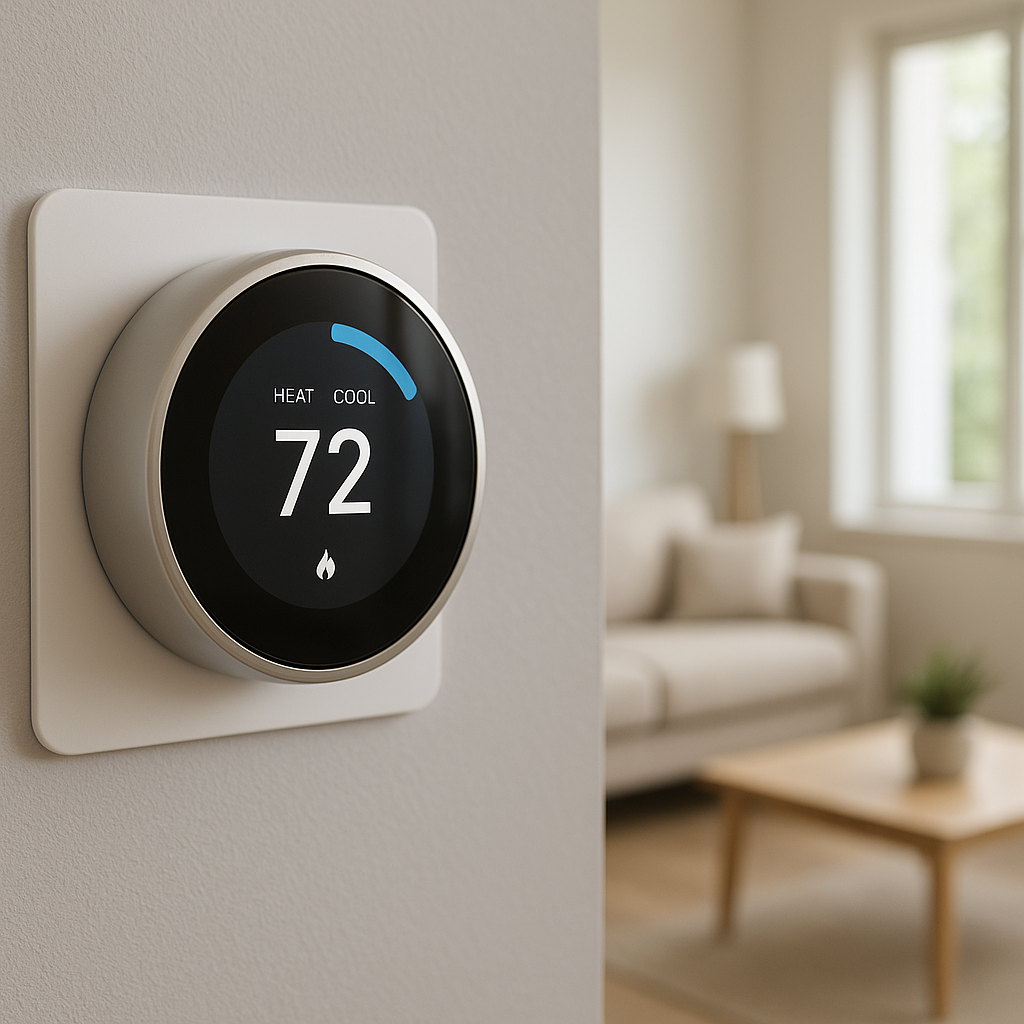
Smart thermostats help hold these ranges more consistently, especially when weather changes quickly.
Setting pet-friendly schedules when you’re away or asleep
Use your smart thermostat’s scheduling features to create pet-focused routines:
- Daytime alone: Keep a slightly narrower temperature range so the house doesn’t swing too hot or too cold while you’re out.
- Overnight: Adjust for your pet’s sleep area. If they sleep on tile floors, you may want a warmer setting than you would otherwise choose.
- Travel mode: Raise or lower the baseline temperature to save energy while maintaining safe conditions for pets staying at home or with a sitter.
If your pets are confined to one room, use sensors in that room so the thermostat makes decisions based on the temperature where your pets actually are.
Using occupancy and door sensors to fine-tune climate control
Door and motion sensors add an extra layer of intelligence:
- Trigger a fan or AC boost when sensors detect your dog has moved into a warm sunroom.
- Lower heating when sensors show pets have moved to a different floor where it’s naturally warmer.
- Detect open windows or doors that could cause temperature drops in rooms with small animals or tanks.
These automations keep your home more stable for pets while avoiding unnecessary energy use.
Smart Lighting and Blinds to Reduce Pet Anxiety
Simulating presence with lights and blinds when you’re out
Many pets relax more when the home feels “lived in.” Smart lighting and blinds can:
- Turn lights on gradually in the evening and off at bedtime.
- Open blinds in the morning and close them after dark.
- Change lighting patterns slightly each day when you’re traveling to simulate someone being home.
Use warm, softer lighting rather than bright, harsh lights, especially for pets who nap a lot.
Night lights and path lighting for older pets
Senior pets often have reduced vision and mobility. Smart lighting can make your home easier for them to navigate:
- Low-level motion-activated lights in hallways and near beds.
- Soft lighting near litter boxes or doorways used for nighttime bathroom breaks.
- Gradual dimming instead of abrupt lights-off to avoid startling anxious pets.
Smart plugs can convert existing plug-in night lights into motion- or schedule-based lighting without rewiring.
Blocking overstimulating views (delivery trucks, passersby) with smart blinds
For some dogs and cats, the biggest stressors are outside the window. Smart blinds can help by:
- Automatically closing during busy delivery hours to reduce barking or pacing.
- Opening when things are quieter so pets can enjoy the view.
- Partially tilting slats to let in light while blocking direct sightlines to the sidewalk or street.
You can even link blinds to your doorbell or motion sensors, closing them when someone approaches and reopening once things settle down.
Smart Speakers and Pet-Calming Routines
Using smart speakers for white noise and calming music
Smart speakers make it easy to create a calming soundscape for pets. You can:
- Play white noise or soft music to mask outdoor sounds like traffic or fireworks.
- Start playlists automatically when you leave the house.
- Use ambient sounds (rain, forest sounds) in rooms where anxious pets rest.
Experiment with different sounds and volumes, watching how your pet reacts via camera. Some respond better to low music; others prefer consistent white noise.
Voice commands for feeding, lights, and cameras
Connecting pet devices to Alexa, Google Assistant, or Apple Home allows quick voice control:
- “Feed the dog” to trigger a smart feeder.
- “Show me the living room camera” on a smart display.
- “Turn on the hallway light for the dog” before a late-night bathroom break.
Voice control is especially handy when your hands are full or you’re trying to keep a routine smooth and low-stress for pets.
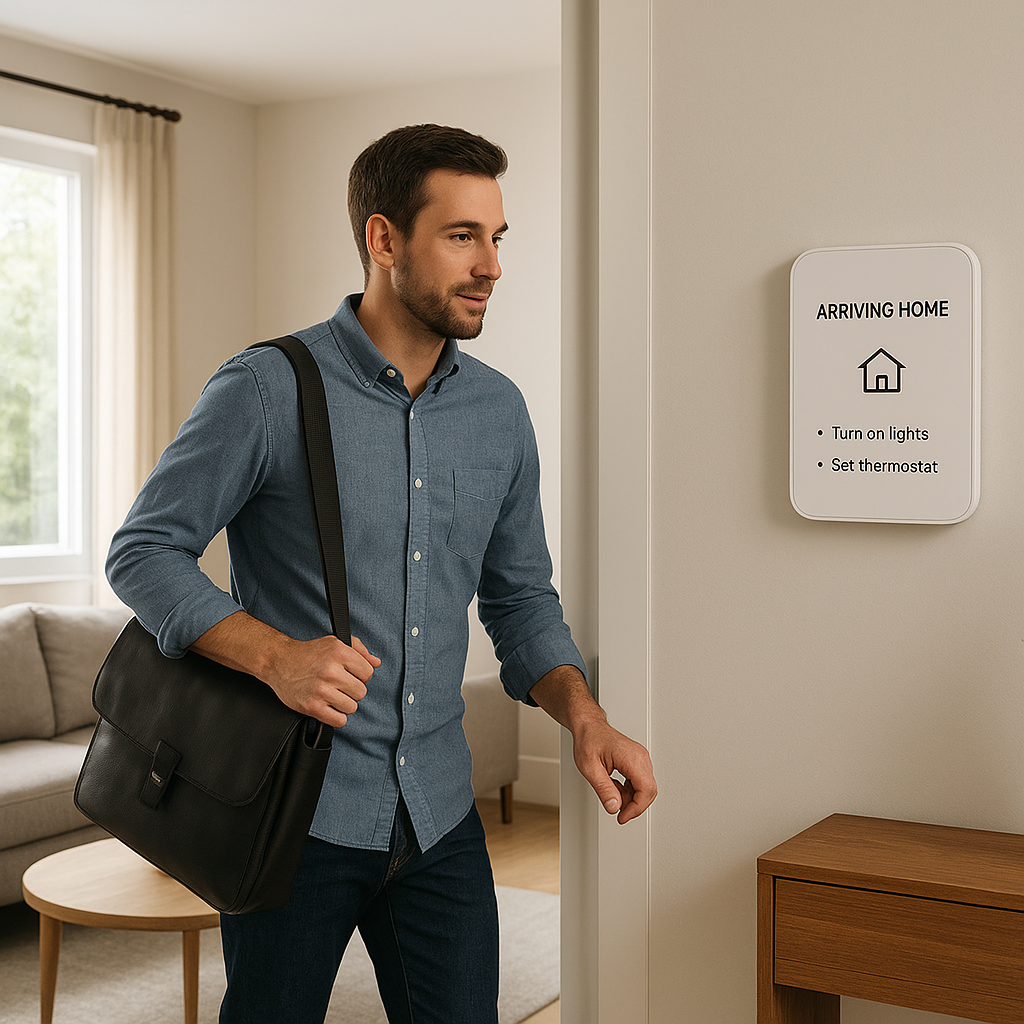
Creating “pet alone” scenes with one phrase or automation
Scenes or routines let you trigger multiple actions at once, such as:
- Dim lights, start calming music, and close blinds.
- Arm indoor cameras and adjust motion alert settings.
- Set the thermostat to a comfortable daytime range.
One command like “Pet alone mode” can prepare your home when you step out, so you’re not running through a checklist every time.
Activity Trackers and Smart Collars for Outdoor Pets
GPS tracking and virtual fences for escape-prone pets
GPS collars and trackers are invaluable for dogs or outdoor cats who like to explore. Features to look for:
- Real-time GPS tracking with reliable coverage in your area.
- Virtual fences that alert you if your pet leaves a defined safe zone.
- Water-resistant designs for dogs who swim or play in the rain.
Many trackers integrate with smartphone apps so you can see your pet’s location on a map and share it with family or neighbors if needed.
Monitoring walks, exercise, and rest with smart collars
Beyond location, smart collars can track activity levels:
- Daily step counts or active minutes for dogs.
- Sleep and rest patterns that may reveal emerging health issues.
- Trends over weeks or months to see if your pet is getting enough exercise.
Share this data with your vet to support discussions about weight management or behavioral changes.
Integrating smart collars with home automation (door locks, lights)
Some ecosystems let GPS or proximity data trigger automations at home. For example:
- Turn on porch lights when your dog’s tracker comes within a certain distance of home.
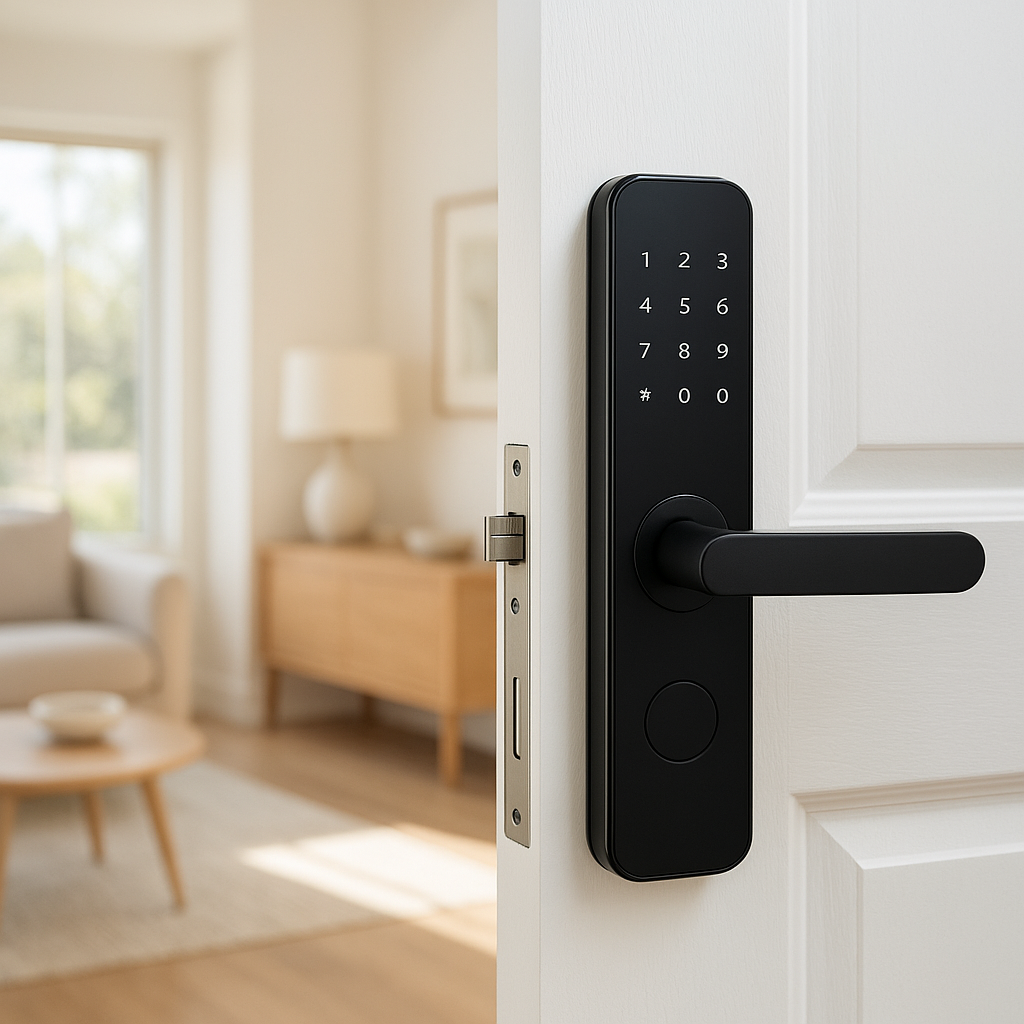
- Unlock a smart lock for a trusted dog walker when the dog’s collar is detected nearby (combined with proper security controls).
- Start an indoor camera recording when your outdoor cat returns through the pet door.
These integrations are optional extras but can add nice quality-of-life touches.
Automation Ideas: Real-World Routines for Pet Owners
Morning routine: lights, feeding, doors, and climate in sync
A simple morning automation could:
- Slowly brighten bedroom and kitchen lights.
- Start the coffee maker and schedule the first pet feeding.
- Open blinds in rooms where pets like to sunbathe.
- Adjust the thermostat slightly warmer if pets will be resting on tile floors.
All of this can run automatically at a set time or when you turn off your alarm.
Workday routine: camera check-ins, treat time, and motion alerts
For workdays, try:
- Arming indoor cameras with pet-specific notification settings.
- Scheduling a treat toss or interactive toy session mid-day.
- Turning on low-level background sound via a smart speaker.
- Receiving alerts only for unusual activity (excessive barking, pacing near doors).
This keeps you connected without being chained to constant notifications.
Travel routine: remote feeding, house sitter access, and safety checks
When you travel, an automated routine might:
- Adjust thermostat settings for safe but efficient climate control.
- Run lights and blinds on varied schedules to mimic normal occupancy.
- Give house sitters temporary smart lock codes and app access to cameras or feeders.
- Send you daily summaries from cameras, sensors, and feeders so you can verify everything looks normal.
Combine this with clear instructions for your sitter, and you’ll have multiple layers of reassurance.
Choosing the Right Smart Pet Tech for Your Home and Budget
Essential vs. nice-to-have devices for new pet parents
If you’re just starting out, focus on essentials that directly solve problems you already have:
- Essentials: A reliable indoor camera, a basic automatic feeder, and at least one temperature sensor in your pet’s main room.
- Nice-to-haves: Smart pet doors, activity trackers, smart blinds, and advanced environmental sensors.
Make a short list of your biggest pain points (for example, “my dog barks at everything outside” or “my cat overeats”). Then select devices aimed at those specific issues.
Compatibility with Alexa, Google Assistant, and Apple Home
Before buying, check that new devices work with your existing ecosystem:
- Look for “Works with Alexa,” “Google Assistant compatible,” or “Apple Home” badges.
- Prioritize devices that support multiple ecosystems in case you switch later.
- Verify whether advanced features (like treat tossing or activity zones) are available via voice, not just in the device’s own app.
Staying in one ecosystem as much as possible makes it easier to create unified “pet alone” or “bedtime” routines.
Privacy and security tips for cameras and connected pet devices
Any internet-connected device is a potential entry point, so tighten security from the start:
- Change default passwords on cameras, routers, and smart hubs.
- Use two-factor authentication where available.
- Keep firmware and apps up to date.
- Consider placing cameras only in common areas, not bedrooms or bathrooms.
If your router supports a guest or IoT network, put smart pet devices there to isolate them from laptops and phones.
Getting Started: A Simple Smart Home Starter Kit for Pet Owners
Suggested starter bundle (camera, feeder, sensors, smart plug)
A practical starter kit for smart home ideas for pet owners might include:
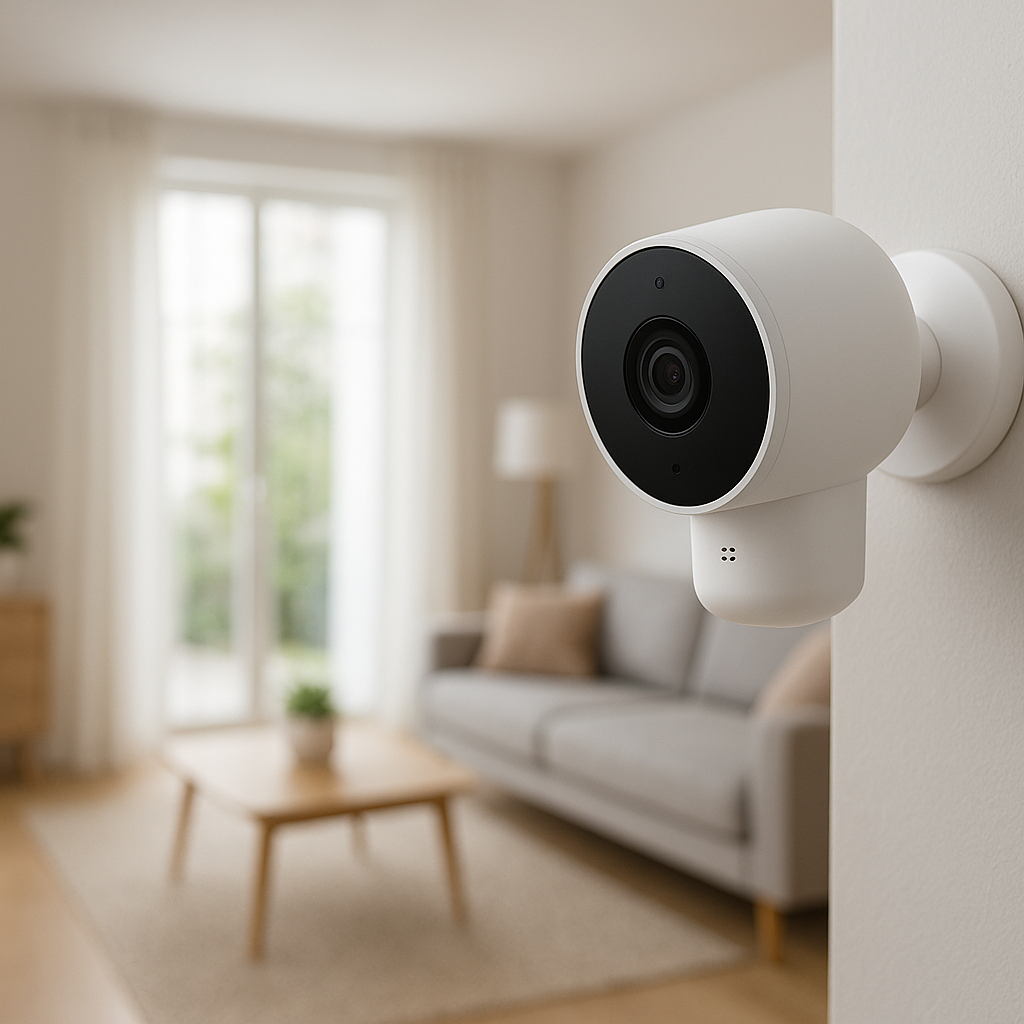
- One pet-friendly indoor camera with 2-way audio.
- A basic automatic feeder sized for your dog or cat.
- Two or three temperature/humidity sensors for key rooms.
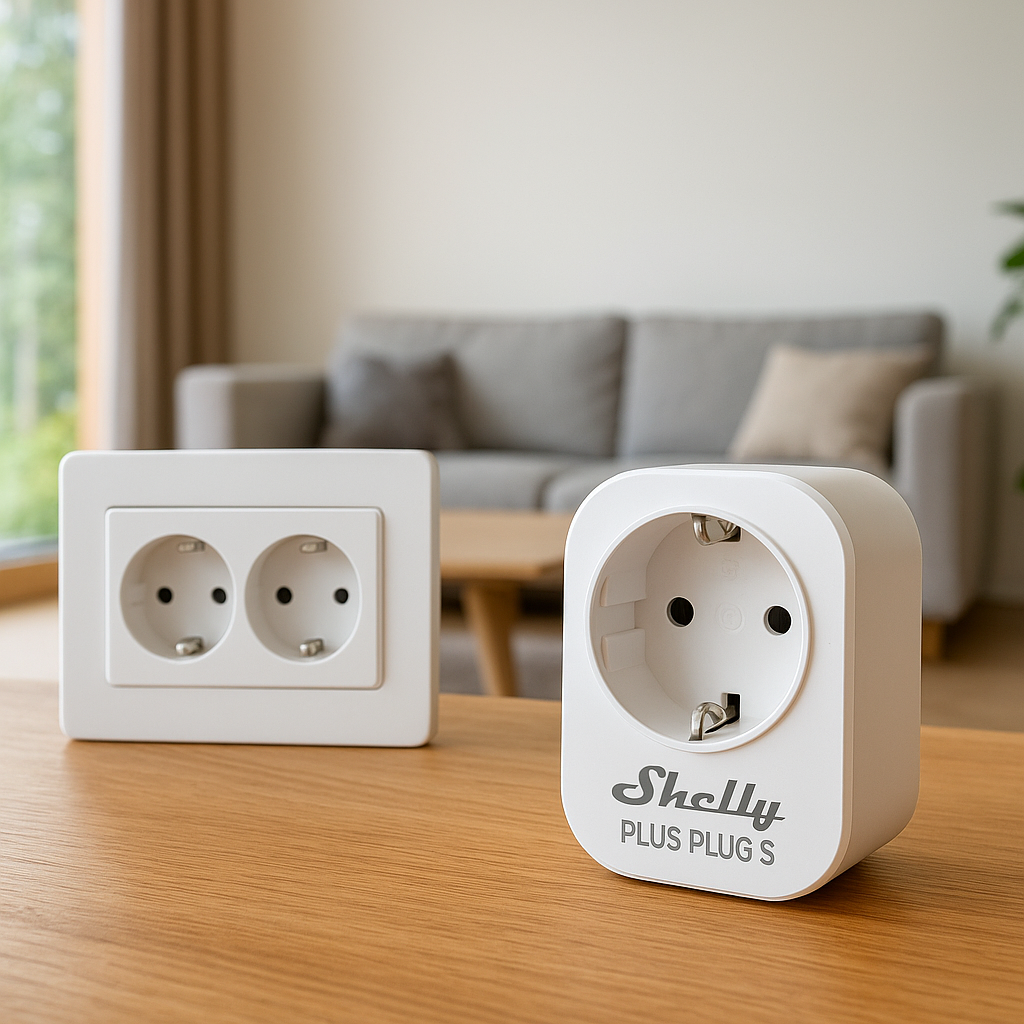
- Two smart plugs for lamps or night lights.
- Optionally, a leak sensor near water bowls or aquariums.
This modest setup covers visibility (camera), consistency (feeder), comfort (sensors), and safety (lighting and leak detection) without a huge investment.
Step-by-step setup checklist for your first weekend
Use a single weekend to get everything running:
- Connect each device to Wi-Fi and update firmware.
- Place the camera and test angles while your pet moves around.
- Install the feeder, calibrate portions, and run a few test feeds.
- Position sensors in your pet’s main room, not hidden behind furniture.
- Add smart plugs to lamps or night lights and create basic on/off schedules.
- Set up at least one simple routine, such as evening lights plus calming sound.
Observe how your pet reacts over the next few days, then tweak schedules and placements as needed.
When to expand your system with more advanced automations
Once the basics are working reliably, consider expanding when:
- You find yourself wishing you could automate a specific recurring task.
- A new life stage (like a senior pet or a new puppy) creates different needs.
- You’re comfortable managing the devices you already have and want deeper integration.
At that point, you might add smart doors, activity trackers, or more advanced routines that bring multiple devices together into truly seamless pet care.
Wrapping Up
Smart home technology can’t replace time with your pets, but it can make their days safer, calmer, and more predictable—especially when you’re not home. By combining cameras, feeders, sensors, and a few thoughtful automations, you can build a setup that fits your budget and genuinely supports your animals’ well-being.
Start with one or two devices that solve your biggest challenges, then grow from there. Over time, you’ll discover which smart home ideas for pet owners make the biggest difference for your household.
FAQ
Do I need a special “pet camera,” or will any security camera work?
A regular security camera will show you what your pet is doing, but pet-focused cameras add helpful features like treat tossers, 2-way audio tuned for animal sounds, and better pet detection. If your budget is tight, start with a standard indoor camera; upgrade to a pet-specific model if you want more interaction and smarter alerts.
Are automatic feeders safe to use every day?
Yes, automatic feeders can be safe for daily use as long as you choose a reliable model, test it thoroughly, and regularly check for jams or low food levels. For pets with medical conditions or on special diets, always follow your veterinarian’s guidance when programming portions and schedules.
Can smart pet devices work without an internet connection?
Many devices need internet for remote control and notifications, but some basic functions often work locally—for example, a feeder following its stored schedule or a light on a timed routine. However, remote camera viewing, app alerts, and voice control generally require an active connection.
Will smart home devices stress out my pet?
Most pets adapt quickly, especially if you introduce devices gradually and associate them with positive experiences like treats or gentle music. Watch their body language via camera or in person, and adjust volume levels, lighting, and automation timing to keep them comfortable.
What’s the best first device for new pet owners?
For many people, a single indoor camera is the best starting point. It gives you immediate visibility into how your pet behaves when you’re away, which can guide what to add next—such as a feeder to fix mealtime issues or smart lighting to reduce anxiety.