Smart cameras and door sensors do a great job of telling you what’s happening. A smart siren or chime makes sure everyone in and around your home hears about it too. If you pick the right device, you can add this extra layer of protection without paying a monthly subscription.
This guide walks through how to choose the best smart siren for your setup, which models pair well with cameras and sensors, and how to build a solid, subscription‑free security system for apartments, small homes, and larger houses.
We’ll focus on practical, real‑world use: how loud a siren actually needs to be, where to place it, what to automate, and how to stay out of the trap of paid cloud plans.
Why Add-On Smart Sirens and Chimes Matter for Home Security
The role of audible alerts alongside cameras and sensors
Cameras and sensors are great at detecting issues, but they’re mostly silent. A smart siren or chime adds three key things to your system:
- Immediate deterrence: A loud, sudden alarm can scare away intruders who might otherwise ignore a quiet camera.
- Attention inside the home: Family members may not have their phones nearby. A chime or siren can alert anyone at home to a door opening, a leak, or motion in a sensitive area.
- Clear feedback: Entry/exit chimes and arming tones act as audible confirmation that your system is armed, disarmed, or in night mode.
Think of cameras as the “eyes” of your smart home and sirens/chimes as the “voice” that tells people what those eyes see.
When a smart siren is better than just phone notifications
Phone notifications are helpful, but they’re easy to miss. A smart siren or chime is often better than relying only on your smartphone when:
- You’re asleep: A loud indoor siren is more likely to wake you than a silent push alert or a muted phone.
- Kids or guests are home: They may not have the app installed, but they’ll hear an alarm or chime immediately.
- You’re away from your phone: In the backyard, shower, or basement, an audible alert can still reach you.
- You want deterrence: An intruder hears the siren, realizes they’ve been detected, and often leaves quickly.
This is where the best smart siren really earns its place—bridging the gap between digital alerts and real-world response.
Benefits of staying subscription-free (and where brands try to upsell)
Plenty of alarm systems push you toward monitoring plans and cloud subscriptions. Going subscription‑free has advantages:
- Lower ongoing cost: You pay once for hardware and maybe a hub, then use built‑in automation instead of monthly monitoring.
- More control: You choose where video and event data are stored, and you’re not locked into one company’s cloud.
- Flexibility: Easier to swap cameras, sensors, or hubs later without renegotiating subscriptions.
However, brands often try to upsell by:
- Locking advanced features (rich notifications, cloud history, AI detection) behind paid tiers.
- Restricting integrations unless you use their cloud.
- Offering “discounted” hardware that relies on ongoing fees.
For sirens and chimes, look for products that still deliver core functionality—loud alarms, local automations, integration with sensors—without forcing a subscription.
Key Features to Look For in the Best Smart Siren (No Subscription)
Compatibility with existing cameras, sensors, and hubs
Before buying any siren, map your current setup:
- What do you already use? Alexa, Google Home, Apple Home, Home Assistant, a Zigbee or Z‑Wave hub, or just Wi‑Fi devices?
- What needs to trigger the siren? Door/window sensors, motion sensors, specific cameras, or a doorbell?
Then choose a siren that fits:
- Hub-based sirens (Zigbee/Z‑Wave) pair directly with hubs like Aeotec SmartThings Hub or Hubitat, and can be triggered by any compatible sensor.
- Wi‑Fi sirens connect via apps like Alexa, Google Home, or their own app, and can respond to routines or scenes.
- Vendor-specific sirens (e.g., from a camera brand) usually integrate best with that brand’s devices but may limit future flexibility.
Loudness (dB), tone options, and coverage for houses vs apartments
Most smart sirens list their loudness in decibels (dB). As a reference, a typical vacuum cleaner is around 70 dB, while many security sirens are 100–110 dB. You can see the sound level scale on this decibel overview.
Guidelines:
- Apartments and condos: 85–100 dB is usually enough indoors without being unbearable to neighbors.
- Small homes: 100–105 dB with multiple tones works well; place sirens near entry points and central hallways.
- Larger homes: 105–110 dB plus at least one additional siren or chime in a second zone.
Tone options are useful too:
- Chime tones for doors opening or motion in low‑risk areas.
- Alarm tones for intrusion or panic events.
- Custom volumes so you can have loud alarms but gentle entry/exit chimes at night.
Power options: plug-in, battery backup, and reliability during outages
Power is often overlooked but critical:
- Plug‑in sirens are simple to install and reliable day‑to‑day, ideal for apartments and indoor use.
- Battery-only sirens are flexible for placement (e.g., outbuildings, stairwells) but need regular battery checks.
- Plug‑in with battery backup is the best option: you keep power in outages, and you don’t need to rely on replaceable batteries for normal use.
For security use, aim for at least one siren with battery backup, especially if you live in an area with frequent power cuts.
Local vs cloud control and why it matters for privacy and fees
Local control means your siren can receive triggers and run automations even if the internet is down. Cloud‑dependent sirens often lose key functions without a connection.
- Local control sirens: Usually Zigbee, Z‑Wave, or those connected to a local hub like Home Assistant or Hubitat.
- Cloud-dependent sirens: Many Wi‑Fi devices that rely on a vendor’s servers for routines or arm/disarm logic.
Local control is better for:
- Privacy (less data leaving your home).
- Reliability (fewer internet‑related failures).
- Staying subscription‑free (features aren’t tied to cloud tiers).
Smart home integrations: Alexa, Google Home, HomeKit, and IFTTT
For the best smart siren experience, you’ll want it to show up as a controllable device inside your ecosystem of choice:
- Alexa: Look for sirens that support Alexa “sound” or “switch” control so they can be turned on/off in Routines.
- Google Home: Many Wi‑Fi sirens appear as switches. You can include them in Google Home Automations that respond to camera motion or door sensors.
- Apple HomeKit: Fewer direct sirens support HomeKit. Often, you’ll use a HomeKit‑compatible hub that controls a Zigbee or Z‑Wave siren.
- IFTTT or local automation: Helpful if your cameras or sensors don’t support your main ecosystem but can send webhooks or IFTTT triggers.
Automation options: arming, schedules, geofencing, and modes
A smart siren is most effective when it acts differently based on context:
- Arming modes: Home, Away, and Night modes with different triggers and volumes.
- Schedules: For example, louder alarms at night, and only chimes during daytime hours.
- Geofencing: Automatically arm the alarm mode when all phones leave and disarm or switch to chime‑only when someone returns.
- Per‑device rules: A back door sensor might trigger the full alarm at any time, while an interior motion sensor only triggers at night.
Best Stand-Alone Smart Sirens for General Use (No Monthly Fees)
Top pick: Well-rounded smart siren for most homes
For most households, a plug‑in siren with Wi‑Fi and basic smart assistant integration works well. Look for models that:
- Offer 100–105 dB volume with adjustable levels.
- Have multiple tones (alarm, chime, doorbell).
- Support Alexa and Google, appearing as a switch or siren device.
- Allow simple schedules and automatic triggers from motion or contact sensors within their app.
These are great “starter” sirens: easy to set up, no hub required, and no subscription. They suit small to medium homes where Wi‑Fi coverage is strong.
Budget pick: Affordable siren for renters and small spaces
Renters and apartment dwellers often want something cheap, loud enough to alert neighbors, and easy to uninstall. Good budget sirens usually offer:
- 85–100 dB of sound, enough for a condo or small flat.
- Simple plug‑in design with no wiring and no drilling.
- Integration with their own sensors or an inexpensive, Wi‑Fi bridge.
- App‑based arm/disarm and basic notification options.
Pair a budget siren with a few contact sensors on main doors and windows. You’ll get a lot of peace of mind from a relatively small investment.
Premium pick: Loud siren with robust automation and integrations
If you want the best smart siren with deep automation, look at models that work through a powerful hub such as Home Assistant, Hubitat, or SmartThings:
- 105–110 dB volume with separate chime functions.
- Local Zigbee or Z‑Wave control for fast, reliable triggers.
- Support for advanced scenes, such as flashing lights, locking doors, and sending custom push notifications when the alarm trips.
- Optional outdoor‑rated versions or external speakers for driveways and gardens (where regulations allow).
These are best suited for homeowners who want to grow a more complex, fully local security system over time.
Compact plug-in siren for apartments and condos
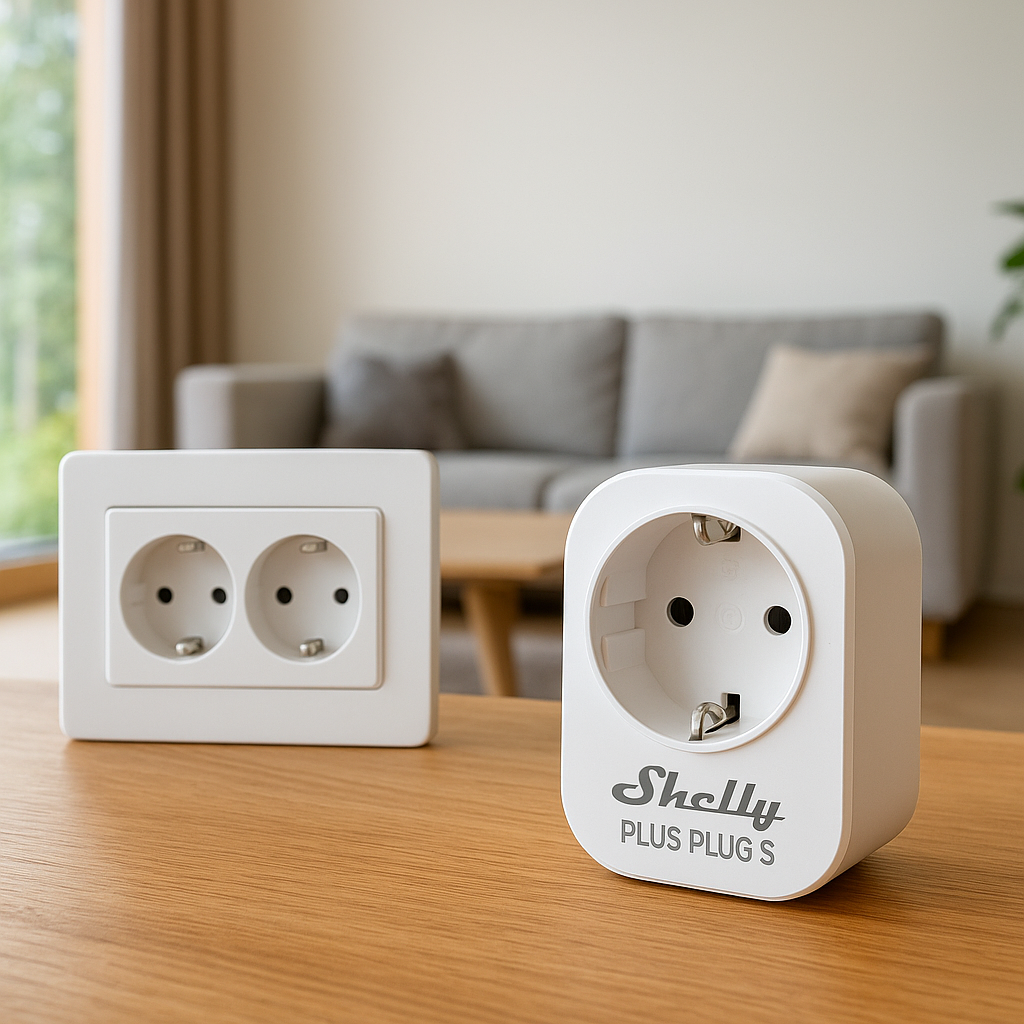
Compact plug‑in sirens sit neatly in a wall outlet and can double as night‑lights or door chimes. They are ideal if:
- You have limited space and don’t want visible security hardware.
- You primarily need entry/exit chimes but still want a loud alarm mode as a backup.
- You share walls and don’t want to blast 110 dB at neighbors.
Place one near the front door and another near the hallway to bedrooms for good coverage without overdoing the volume.
Best Smart Sirens to Pair with Security Cameras
Sirens that can trigger on camera motion or person detection
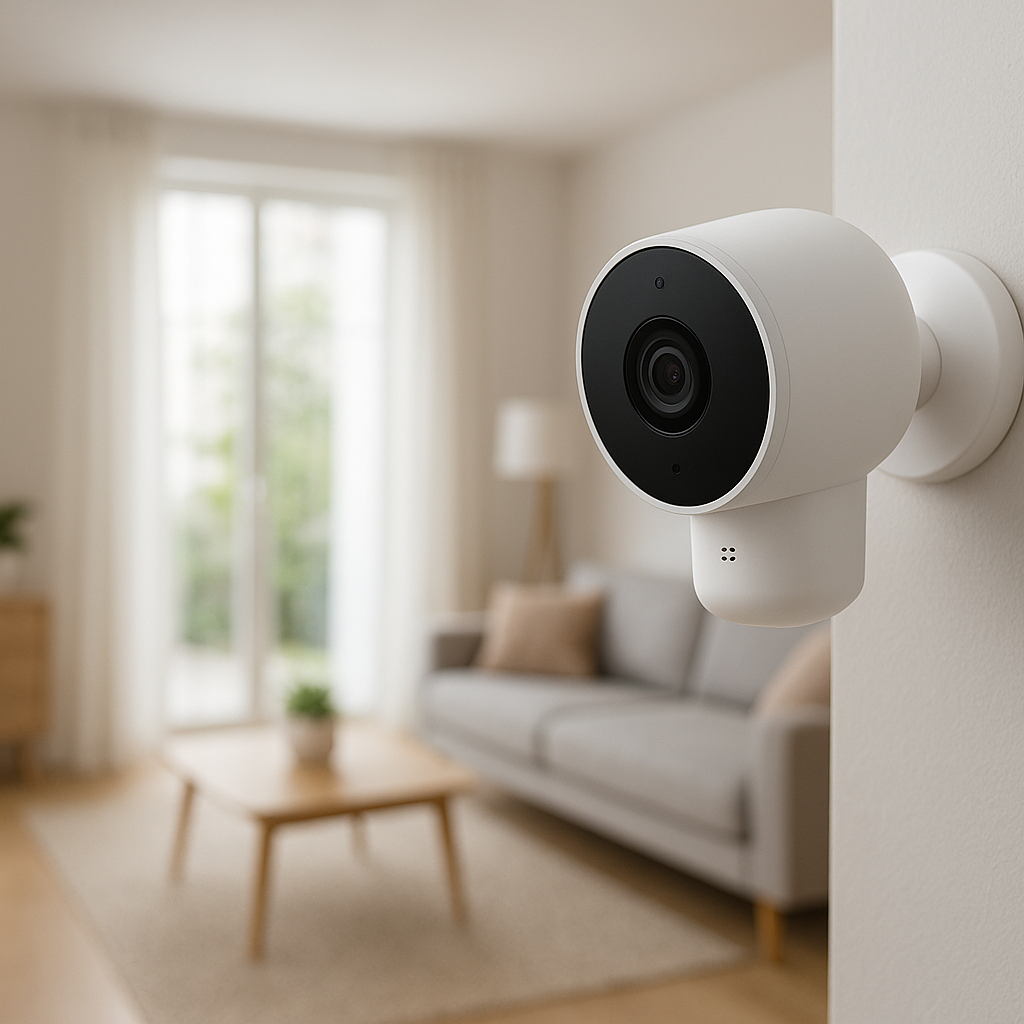
Many smart cameras include a tiny built‑in siren, but they’re often too quiet. A better approach is to have the camera trigger a separate siren.
Look for setups where:
- Your camera’s app lets you run actions (like turning on a smart plug or switch) when it detects motion or a person.
- The siren appears as a switch in your ecosystem (Alexa/Google/HomeKit) so camera events can toggle it.
- You can restrict the automation to certain zones or schedules—only trigger if motion is at the driveway after 11 p.m., for example.
Options that work with RTSP/NVR, local NAS, and non-cloud camera setups
If you use RTSP cameras, NVRs, or NAS‑based recordings (e.g., Synology Surveillance Station, Blue Iris, or Frigate with Home Assistant), you can still integrate sirens:
- HTTP/Webhook triggers: Many NVR/NAS systems can call a URL or webhook on events, which can turn on a siren via your hub.
- MQTT or local events: Advanced setups use MQTT messages from motion detection to trigger automations.
- Virtual switches: Some hubs expose virtual devices that can be flipped by your NVR, which then sound the siren.
This route stays fully local, keeps you away from camera cloud subscriptions, and gives you fine‑grained control over what triggers an alarm.
Using routines to sync siren alarms with camera recording and lights
For a polished experience, tie everything together:
- When an exterior camera detects a person at night, turn on the porch light, start recording (if not already), and sound the siren after a short delay.
- Use different automations for day and night so daytime events only send notifications and maybe a chime.
- Trigger indoor cameras to record when the main siren goes off, gathering evidence from multiple angles.
Most of this can be done with standard Routines/Automations inside Alexa, Google Home, or your hub’s rule engine.
Best Smart Sirens and Chimes to Pair with Door/Window and Motion Sensors
Hub-based sirens that work with Zigbee and Z-Wave sensors
If you already have Zigbee or Z‑Wave sensors (or plan to), a hub‑based siren is a strong option:
- All devices connect through the hub, so you can create complex rules: “if back door opens and system is in Away mode, sound siren.”
- Local processing means faster response and better reliability.
- You can set different tones for different types of events (door open vs intrusion vs water leak).
This is ideal for homeowners wanting a “real” alarm system feel without paying a monitoring company.
Simple Wi-Fi chimes for contact and motion sensors
If you don’t want a hub, choose basic Wi‑Fi chimes and sensors that work together through one app. Good for:
- Monitoring a single door or hallway.
- Hearing when kids open the front door or a cabinet.
- Basic rental setups where you can’t rewire anything.
These chimes usually support a wide range of tones and volumes, so you can find non‑annoying sounds for everyday alerts.
Using sirens as entry/exit chimes vs full intrusion alarms
Don’t run the main alarm for every event. Instead:
- Use soft chimes for doors opening during the day.
- Set a delayed alarm at night or in Away mode to give yourself 30 seconds to disarm.
- Reserve the full siren for verified intrusion scenarios (doors opening in Away mode, interior motion when nobody is home).
This keeps your home secure without constant noise or false alarms.
Best Smart Sirens for Popular Ecosystems (Alexa, Google, HomeKit)
Best smart siren for Alexa households
For Alexa users, look for sirens that:
- Appear as a switch or siren in the Alexa app.
- Allow you to turn them on/off via Alexa Routines.
- Optionally integrate with Alexa Guard or Guard Plus, if you use it, for additional sound detection.
You can then build routines like: “If a certain motion sensor triggers while I’m Away, turn on the siren, flash smart lights, and send a notification to my phone.”
Best smart siren for Google Home users
Google Home works best when the siren can be controlled through Google Home Automations:
- Pick a Wi‑Fi siren that shows up in Google Home and can be toggled in automations.
- Connect supported cameras and sensors to the same account so their events can trigger the siren.
- Use Google Assistant voice commands to arm/disarm or run custom routines (“Hey Google, arm away mode”).
Best smart siren and chime options for Apple HomeKit
HomeKit has fewer direct sirens, so many users:
- Use a HomeKit‑compatible hub or bridge that controls a Zigbee/Z‑Wave siren.
- Expose the siren to HomeKit as a switch or alarm device.
- Rely on HomeKit automations from door sensors or cameras (e.g., HomeKit Secure Video cameras) to trigger the siren.
This approach keeps everything inside Apple’s ecosystem, with automations running locally on a HomePod, Apple TV, or iPad acting as the hub.
Using routines and automations in each ecosystem for alerts
No matter which platform you choose, use routines to fine‑tune how and when your siren activates:
- Alexa: Routines based on device events, schedules, or voice commands.
- Google Home: Automations that react to device states (doors opening, motion detected) and time conditions.
- HomeKit: Automations triggered by accessory state, time, or presence (who is home/away).
Start simple—one “Away” mode and one “Night” mode—then add more complex rules as you get comfortable.
How to Build a Subscription-Free Security Setup with Sirens and Chimes
Example setup for apartments: door sensor + indoor camera + siren
For a one‑bedroom apartment, you don’t need dozens of devices. A solid, subscription‑free setup could be:
- 1–2 contact sensors (front door, balcony door).
- 1 indoor camera pointing at the main entrance.
- 1 compact plug‑in siren/chime near the entrance.
Automations:
- Daytime: Door openings trigger a soft chime and optional push notification.
- Night/Away: Door openings trigger the full alarm and start camera recording.
Example setup for small homes: perimeter sensors + outdoor camera + siren
In a small single‑family home, focus on perimeter protection:
- Contact sensors on all ground‑floor doors and key windows.
- 1–2 outdoor cameras covering driveways and main entries.
- 1 loud indoor siren centrally located, possibly plus a quieter chime by bedrooms.
Use modes so that when you’re home during the day, doors give chimes, while at night or away, any unexpected opening triggers the full siren and camera recordings.
Example setup for larger homes: multiple sirens and zones
In bigger houses, a single siren might not carry everywhere. Consider:
- Zones: Upstairs, downstairs, and exterior.
- Multiple sirens: One per zone, at least one with battery backup.
- Different rules per zone: Basement or garage motion might be more suspicious at night than foyer motion.
Your hub or ecosystem should let you tie zones to specific modes and automation rules, so the system stays usable rather than overwhelming.
Avoiding hidden subscriptions when choosing cameras and hubs
To keep the whole setup subscription‑free:
- Favor cameras that offer local recording on microSD, NVR, or NAS.
- Choose hubs that don’t require paid plans for basic automations.
- Check feature tables carefully—ensure motion zones, alerts, and basic history work without a paid upgrade.
- Consider open platforms like Home Assistant or Hubitat if you’re comfortable with a bit more setup work.
Installation and Setup Tips for Smart Sirens
Where to place sirens and chimes for maximum effect
Placement makes a big difference:
- Main siren: Central hallway or near the main entry, high on a wall or ceiling for better sound spread.
- Secondary sirens: Near bedrooms so people wake up quickly, or near exterior doors.
- Chimes: Close enough to the door you’re monitoring that you can associate the sound with the event.
Avoid hiding sirens inside cabinets or behind heavy furniture—they’ll be much quieter and less effective.
Reducing false alarms with smart triggers and schedules
False alarms quickly annoy households and neighbors. To reduce them:
- Use delay timers for entry doors so you have time to disarm.
- Limit certain motion triggers to night hours when rooms should be empty.
- Fine‑tune camera motion zones to ignore sidewalks or tree movement.
- Use presence detection (geofencing) so the full alarm only arms when everyone is away.
Ensuring strong Wi-Fi or mesh coverage for reliable alerts
Wi‑Fi sirens, cameras, and sensors all depend on a solid network. Some good practices:
- Place your router or mesh nodes centrally, away from metal cabinets.
- Avoid overloading 2.4 GHz channels; consider using a modern router or mesh system.
- Run speed and signal tests near where you plan to install the siren.
The FTC offers a straightforward guide on securing and optimizing home Wi‑Fi at this Wi‑Fi security article, which also helps keep your smart security devices safer.
Basic testing and maintenance routines (volume, battery, firmware)
Once installed, keep your siren reliable by:
- Testing the alarm monthly (warn family and neighbors first).
- Checking battery‑only or battery‑backup models every few months.
- Updating firmware through the app or hub when updates become available.
- Reviewing automations occasionally after app or ecosystem updates.
Privacy and Security Considerations (Without the Cloud Lock-In)
Local-only vs cloud-dependent sirens and chimes
Local‑only sirens process triggers on your own network and usually store minimal data. Cloud‑dependent sirens may send logs, device info, and events to remote servers.
If privacy is a priority:
- Favor sirens that work over Zigbee/Z‑Wave or local APIs.
- Check privacy policies to see what data is collected.
- Turn off unnecessary analytics and remote logging where possible.
Securing your router, passwords, and smart home accounts
Your smart siren is only as secure as your network and accounts. Basic steps:
- Use strong, unique passwords for router, Wi‑Fi, and smart home accounts.
- Enable two‑factor authentication wherever available.
- Change default logins on any hub or NVR you use.
- Keep routers and hubs updated so security fixes are applied.
What happens to your siren if the internet goes down
Test how your system behaves when offline:
- Local systems: Zigbee/Z‑Wave hubs and local automations usually keep working; sirens still trigger from sensors.
- Cloud-based setups: Some or all automations may stop. Your siren might still be switchable locally, but camera‑based triggers could fail.
If your internet is unreliable, prioritize sirens and automations that work locally so your security isn’t tied to your ISP.
Buying Checklist: How to Choose the Best Smart Siren for Your Home
Quick comparison of key specs: volume, power, integrations, price
Before you buy, compare these basics across models:
- Volume: 85–110 dB, appropriate for your living situation.
- Power: Plug‑in, battery, or plug‑in with battery backup.
- Integrations: Alexa, Google, HomeKit, IFTTT, or hub compatibility.
- Control type: Local vs cloud‑dependent; app, hub, or both.
- Price: Balance one‑time cost against reliability and expandability—often the midrange option is the sweet spot.
Questions to ask before buying (renter vs owner, pets, neighbors)
Ask yourself:
- Do I rent or own? Renters may want non‑wired, easily removable devices.
- How close are my neighbors? In apartments, err on the side of slightly lower volume and more chimes than constant sirens.
- Do I have pets? Pets can trigger motion sensors; choose smart placement and rules to avoid stressing them.
- Do I want to expand later? If so, choose a platform‑friendly siren that works with hubs or major ecosystems.
When it makes sense to upgrade or add a second siren
Consider upgrading or adding another siren if:
- You can’t hear the current siren clearly from bedrooms or outdoor areas.
- You’ve added more sensors or cameras and want zone‑based alarms.
- You’re moving from a basic Wi‑Fi system to a more robust hub‑based automation setup.
- You want redundancy: one siren on mains power, another on battery backup.
A thoughtful siren and chime setup makes your cameras and sensors far more effective, without locking you into recurring fees. Start with clear goals—what you want to hear, when, and where—and choose hardware that supports those goals locally whenever possible.
FAQ
Do I really need a separate smart siren if my camera has one built in?
Built‑in camera sirens are usually quite small and not very loud. A dedicated smart siren can reach higher volumes, cover more of your home, and offer better tones and automation options. For real deterrence and clear alerts indoors, a separate siren is worth it.
Will a smart siren work if my internet or Wi-Fi goes down?
It depends on the device. Zigbee/Z‑Wave sirens controlled by a local hub often keep working even without internet. Many Wi‑Fi sirens lose cloud automations if your connection fails. Check the product details and, if possible, test by briefly unplugging your router.
Can I use a smart siren in a rental without violating my lease?
Most renters can use plug‑in or battery‑powered sirens and peel‑and‑stick sensors with no problem, since there’s no permanent wiring. Avoid drilling into walls or modifying electrical systems unless your landlord agrees.
How loud should my siren be to deter intruders but not annoy neighbors?
For apartments and condos, 85–100 dB is usually enough indoors. In small homes, 100–105 dB works well; larger homes may benefit from 105–110 dB plus multiple sirens spread around the property. Use lower volumes or chimes for everyday notifications.
Do I need a smart home hub to use a smart siren?
No. Many Wi‑Fi sirens work directly with their own apps and integrate with Alexa or Google Home without a hub. However, if you want advanced local automations, multiple sensors, and better reliability, a Zigbee/Z‑Wave hub or local controller can be a strong upgrade.