Water heaters quietly use a big chunk of your home’s energy. They also sit in basements, closets, and garages where small leaks can go unnoticed until there’s serious damage. Smart water heater controllers tackle both problems at once by giving you app control, automation, and leak alerts for one of the least “smart” appliances in most homes.
This guide walks through how smart water heater controllers work, what to look for before you buy, and the best options for electric, gas, and tankless systems. We’ll also cover leak protection, real-world energy savings, and how to tie everything into your wider smart home.
Why You Need a Smart Water Heater Controller (Not Just a Smart Thermostat)
How water heating impacts your energy bill and what controllers can actually save
Water heating is typically the second-largest energy use in a home, right after space heating and cooling. According to the U.S. Department of Energy, water heating can account for around 18% of your utility bill, depending on your equipment and habits. You can see the breakdown on the DOE’s Water Heating guide.
Traditional heaters just sit at a set temperature, running as needed 24/7. That means you’re paying to keep water hot even when everyone is at work, at school, or out of town. A smart water heater controller adds the missing intelligence:
- Schedules: Heat water when you actually need it (morning showers, evening dishes) and keep it lower or off during long idle periods.
- Remote control: Turn the heater down when you forget to enable vacation mode and back up before you return.
- Usage tracking: See exactly how much energy the heater uses each day or month and adjust settings.
- Demand response: Some controllers integrate with utility programs to automatically avoid the most expensive peak-rate times.
In real homes, smart control typically shaves 10–20% off water heating energy for electric tanks, and a bit less for gas units. The bigger your household and the more predictable your schedule, the easier it is to dial those savings in.
Key differences between smart water heater controllers, smart thermostats, and utility demand-response devices
It’s easy to confuse smart water heater controllers with other energy gadgets, but they do different jobs:
- Smart thermostats (Nest, Ecobee, etc.) control your furnace or heat pump, not your water heater. They optimize air temperature, not hot water.
- Smart water heater controllers directly control power or gas flow to your water heater. They manage water temperature, schedules, and safety features like leak alerts.
- Utility demand-response devices are often simple switches installed by your utility. They let the utility briefly shut off your heater during peak loads, sometimes in exchange for bill credits. On their own, they rarely provide detailed app control or insights.
Some modern controllers combine energy monitoring, smart scheduling, and demand-response support so you can benefit from both better comfort and lower peak charges.
Who benefits most: homeowners vs. renters, families vs. small households, electric vs. gas setups
Not every household needs the same type of controller. Here’s who gains the most:
- Homeowners with electric tank heaters: These are the easiest to retrofit. Products like the Aquanta Smart Water Heater Controller or a smart load controller tied to your panel can significantly cut energy use and add leak protection.
- Homeowners with newer gas or hybrid heaters: Many Rheem, AO Smith, and other premium models support add-on Wi‑Fi modules, unlocking scheduling, vacation mode, and diagnostics without major rewiring.
- Tankless owners: Tankless units already save energy, but smart controls can fine-tune temperature, run recirculation only when needed, and give you better visibility into usage.
- Renters: You usually can’t rewire the heater, but you can often add smart leak sensors near the tank and use smart plugs on small plug-in point-of-use electric heaters, with your landlord’s approval.
- Large families or homes with hot tubs / large soaker tubs: You’ll see the biggest benefit from optimized schedules, recirculation control, and faster detection of issues like constantly running hot water.
If you pay high electric rates, have a history of leaks, or own a vacation home, a smart controller plus leak protection often pays for itself faster.
How Smart Water Heater Controllers Work
Core features: app control, schedules, usage tracking, and remote shutdown
Most smart controllers sit between your existing heater and its power or gas controls. They monitor energy use and temperature, then give you a control panel on your phone instead of only on the tank.
Common features include:
- App control: Change setpoint temperature, turn the heater on or off, and switch modes (eco, boost, vacation) from anywhere.
- Schedules: Create weekday/weekend or custom schedules so the heater runs hardest when you’re home and barely at all when you’re away.
- Usage tracking: View kWh or gas usage by day, week, or month, sometimes with estimated cost based on your rate.
- Remote shutdown: If there’s a suspected leak or you’re gone for a long trip, you can remotely disable heating to limit damage or waste.
Some controllers live inside the heater (factory modules on compatible Rheem or AO Smith units), while others mount on the wall near your electric panel or water heater and use current sensors or relays to control power.
Sensors and safety: leak detection, temperature monitoring, and dry-fire prevention
Beyond convenience and savings, smart controllers help protect your home:
- Leak detection: Many kits include a puck-style sensor you place in the drain pan or on the floor. If water is detected, you get a phone alert and, in some systems, automatic shutoff.
- Temperature monitoring: Controllers can watch tank temperature and sometimes outlet pipe temperatures. They can warn you if the heater is too hot (scald risk) or not hot enough (potential bacteria issues).
- Dry-fire prevention: On electric heaters, certain controllers detect unusual power draw patterns that suggest the tank isn’t full of water. They can shut down to prevent burning out elements.
- Overrun detection: For recirculation pumps or constantly running hot water loops, smart kits can detect abnormally long run times and alert you.
Adding standalone leak sensors and a motorized shutoff valve can further reduce risk, especially for heaters installed above finished spaces.
Connectivity basics: Wi‑Fi vs. Zigbee/Z-Wave, voice assistants, and smart home platforms
Smart water heater gear connects in a few ways:
- Wi‑Fi: Most brand-specific controllers (Rheem EcoNet, Aquanta, EcoNet-style modules) use Wi‑Fi and a cloud app. Setup is familiar but they rely on your internet connection.
- Zigbee/Z-Wave: Some whole-home energy monitors and smart relays designed for panels (e.g., certain smart breaker systems) use Zigbee or Z-Wave, connecting through a hub like Hubitat, Home Assistant, or SmartThings.
- Voice assistants: Alexa and Google Assistant integration lets you adjust modes with voice commands or include the water heater in routines (e.g., “Alexa, we’re leaving” triggers vacation mode).
- Smart home platforms: Check for integrations with Home Assistant, IFTTT, SmartThings, or Apple Home. This matters if you want advanced automations, like shutting down the heater when a whole-home leak detector alarms.
If your Wi‑Fi is weak where the heater lives (garage or basement), prioritize controllers that can work with hubs placed closer to your router or support 2.4 GHz Wi‑Fi, which travels farther.
Key Buying Considerations Before You Choose a Controller
Compatibility with gas, electric, and tankless water heaters
Start with heater type and age:
- Electric tank heaters: Many third-party add-on controllers work only with electric tanks. Confirm the voltage (usually 240V in North America) and maximum amperage, and match those ratings.
- Gas tank heaters: Look for manufacturer-approved Wi‑Fi modules or retrofit kits that interface with the gas valve and control board. Avoid DIY hacks on gas controls.
- Tankless gas or electric: Many tankless units from brands like Rinnai, Navien, and Noritz offer optional smart modules or built-in Wi‑Fi. Use those when available; they understand the heater’s internal logic far better than generic relays.
Write down your heater’s brand, model number, fuel type, and approximate age before shopping. Most compatibility charts and manuals rely on those details.
Electrical and plumbing requirements (service panel, shutoff valves, and access)
Before choosing a controller, check:
- Electrical panel space: Panel-mounted solutions or smart breakers may need open slots and adequate amperage.
- Existing shutoff valves: For leak shutoff valves, you’ll need a functioning main or dedicated hot water shutoff with enough straight pipe length for the valve body.
- Access to heater wiring/controls: Your controller may need access to the junction box on an electric heater or the control board on a gas unit.
- Power outlet: Some smart modules and leak valves require a nearby 120V outlet; plan ahead for this.
If your panel is already crowded or your heater’s wiring looks messy, budget for an electrician’s time along with the controller cost.
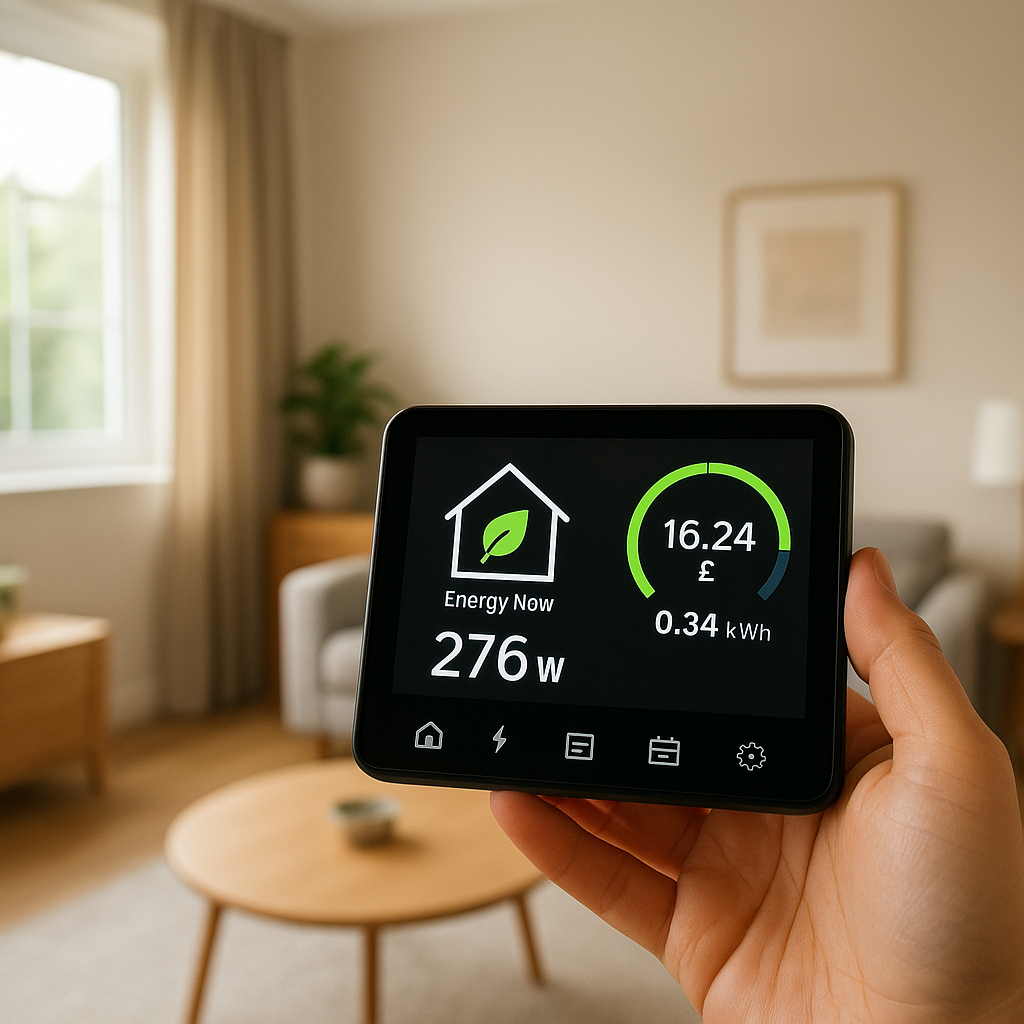
Energy monitoring features: usage history, cost estimates, and peak/off-peak insights
Energy monitoring ranges from simple to very detailed:
- Basic: Daily/weekly kWh use with simple charts.
- Intermediate: Cost estimates based on your entered rate, plus per-schedule comparisons.
- Advanced: Time-of-use breakdowns, projections, and alerts when you’re trending above typical monthly usage.
If your utility uses time-of-use rates, look for controllers that let you tag “expensive” hours and automatically avoid them when possible. This matters more for electric heaters than gas.
Leak detection and automatic shutoff: what to look for to prevent major water damage
Leak protection is one of the best reasons to go smart around a water heater. Focus on:
- Multiple sensor support: Being able to add sensors under the heater, near nearby pipes, and around finished flooring.
- Automatic shutoff: A motorized valve on the main line or hot water feed that can close when a leak is detected.
- Battery backup: So the valve can still close during a power outage.
- Local shutoff logic: Valves that close based on sensor input even if Wi‑Fi or cloud access is down.
Many households pair a dedicated shutoff valve (Moen Flo, LeakSmart, or similar) with a smart water heater controller for both energy savings and strong leak protection.
Smart home integration: Alexa, Google Home, Home Assistant, and IFTTT support
Smart integration affects how flexible your setup can be:
- Alexa/Google: Helpful for basic commands and routines, like switching to vacation mode or boosting temperature before a large load of laundry.
- IFTTT: Useful for cross-brand automations, such as turning off the heater if your security system switches to “Away.”
- Home Assistant / SmartThings: Ideal for power users who want local control, custom dashboards, and complex automations based on multiple sensors.
Check whether the integration is official and documented or relies on third-party community plugins, which may be more fragile when vendors change their APIs.
App quality, notifications, and multi-user access
Good hardware can still feel frustrating with a clunky app. Before you buy, skim recent app store reviews and look for:
- Reliable notifications: Fast, clear alerts for leaks, offline status, or abnormal energy use.
- Multi-user support: The ability to share control with household members without sharing a single login.
- Clear charts: Easy-to-read graphs for usage, not just raw numbers.
- Mode presets: Simple toggles for eco, vacation, or high-demand modes.
If you manage a rental or a second home, app reliability and notifications matter just as much as the hardware.
Best Smart Water Heater Controllers Overall (Quick Comparison)
Comparison table: top picks side-by-side by type, features, and price
The market changes quickly, but here’s a general comparison of common controller styles you’ll see:
| Type | Best For | Key Features | Approximate Cost Tier |
|---|---|---|---|
| Electric tank add-on controller (e.g., Aquanta-style) | Standard electric tanks | Scheduling, app control, leak sensor support, energy monitoring | Mid |
| Manufacturer Wi‑Fi module (Rheem, AO Smith) | Newer gas/electric tanks | Native integration, diagnostics, warranty-friendly | Low–Mid |
| Smart panel / smart breaker | Whole-home energy tracking | Detailed circuit monitoring, automation via hubs | High (for full-home installs) |
| Tankless smart module | Gas or electric tankless units | Recirculation control, temp tweaks, usage logs | Mid |
| Smart leak valve + sensors | Any heater, especially above finished spaces | Automatic shutoff, multi-point leak detection | Mid–High |
Best for most households: balanced performance, ease of use, and automation
For a typical home with a standard electric tank, an add-on controller that wraps around your existing heater usually gives the best balance of cost, features, and simplicity. Look for:
- Direct compatibility with your tank size and voltage
- Built-in scheduling and vacation mode
- Support for at least one leak sensor
- Alexa/Google or IFTTT integrations
If you’re buying a new water heater anyway, consider a model with built-in Wi‑Fi or a companion module from the same brand. This tends to be the easiest path with the least wiring changes and best warranty alignment.
Best for serious energy savings: advanced analytics and demand-response programs
If you care deeply about energy optimization, look at solutions that combine circuit-level monitoring with automation—smart panels or advanced load controllers that can see exactly when the water heater runs and at what cost. Pair this with:
- Utility time-of-use or demand-response programs
- Detailed reports on peak vs. off-peak usage
- Automations that shift heating to lower-cost times
These setups require more effort and often professional installation, but they give the clearest view into how your heater affects your bill.
Best Smart Water Heater Controller for Electric Tank Water Heaters
Top pick: features, pros, cons, and ideal use cases
A dedicated electric tank controller that ties directly into your heater’s power and temperature sensor is typically the strongest option. Ideal features include:
- Compatibility with 240V electric tanks up to your heater’s amperage
- Clamp-on or integrated energy monitoring
- A supplied or optional leak sensor for the drain pan
- App-based scheduling, vacation mode, and usage charts
Pros: Strong energy savings potential, clear data, often DIY-installable for confident homeowners, and no need to replace the water heater itself.
Cons: Requires access to wiring, often needs a stable Wi‑Fi signal, and some models are cloud-dependent (no app control if the vendor has an outage).
Ideal use cases: Single-family homes and townhomes with accessible electric tanks and predictable schedules.
Runner-up options: when to choose them instead (panel location, Wi‑Fi strength, budget)
In some homes, a tank-mounted controller is not ideal. Alternatives include:
- Smart breaker or panel-based control: Makes sense if you’re already installing a smart panel or if the heater is hard to reach but the panel is accessible.
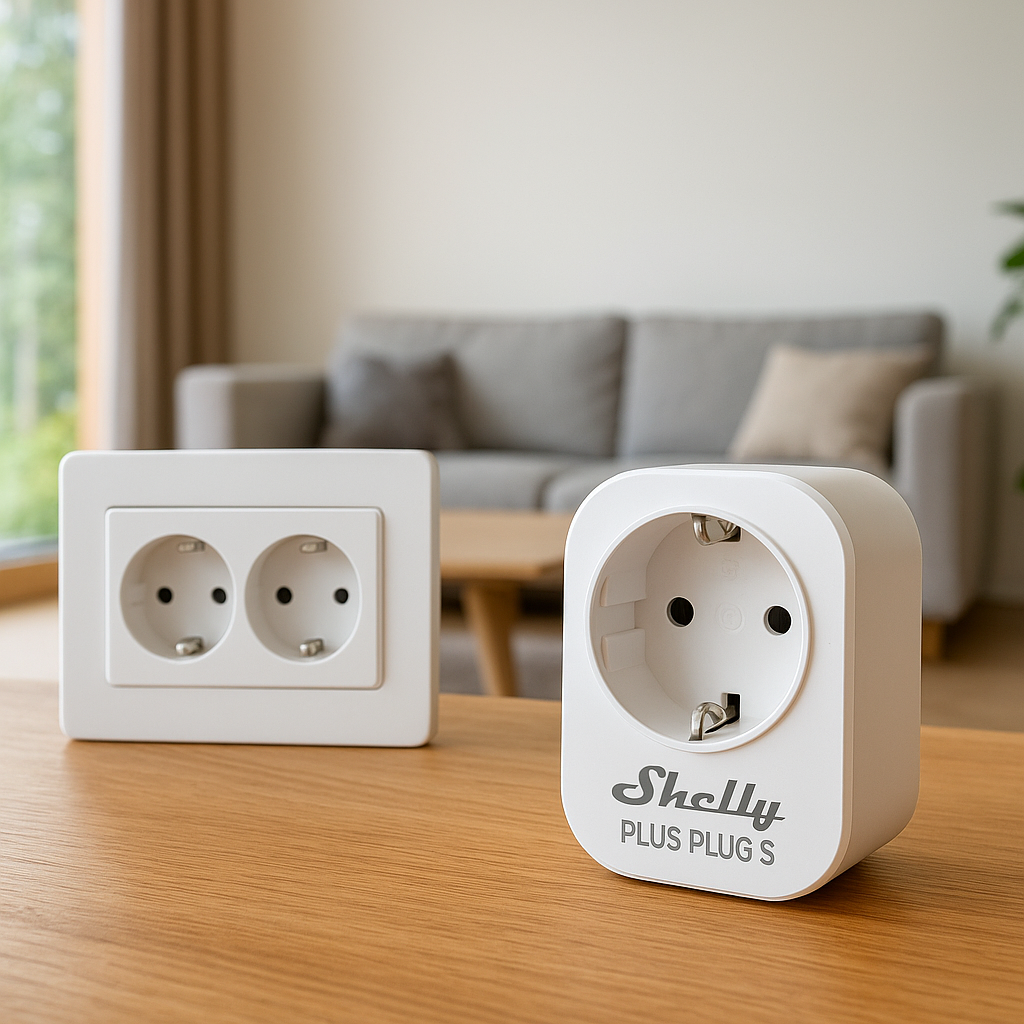
- Smart plug + small point-of-use heater: For under-sink or small plug-in heaters, a high-amperage smart plug lets you schedule and monitor without opening a panel.
- App-enabled replacement heater: If your existing electric heater is near the end of its life, replacing it with a Wi‑Fi-enabled model might cost only slightly more than a separate controller plus install labor.
Choose these options if your tank is in a tight closet, you have very weak Wi‑Fi near the heater, or you’re on a tight budget and already planning panel work.
Installation overview for electric tank heaters (including safety cautions)
Most electric tank controllers are wired similar to other 240V loads. A high-level overview:
- Turn off the dedicated breaker for the water heater and verify power is off with a non-contact voltage tester.
- Open the heater’s junction box cover.
- Route the controller’s wires according to the manufacturer instructions (often in-line with the feed to the heater).
- Secure all connections with proper wire nuts and strain reliefs.
- Mount any external hardware and route sensor cables (temperature and leak sensors).
- Restore power, then pair the controller with your Wi‑Fi and app.
Working inside a 240V circuit can be dangerous. If you’re not fully comfortable with electrical work, hire a licensed electrician for this part and complete the app setup yourself.
Best Smart Water Heater Controller for Gas Water Heaters
Top pick for gas: controls, compatibility, and safety considerations
For gas tank heaters, the safest and most reliable path is a manufacturer-approved smart module that plugs into the control board on compatible models. These modules typically offer:
- Remote temperature adjustments
- Mode changes (vacation, eco, high demand)
- Fault alerts and diagnostics (e.g., ignition failures)
- Occasional integration with home automation platforms
Because they’re designed for your specific heater, they preserve safety features built into the gas valve and control system. They also minimize warranty issues.
Models that work with power-vent and high-efficiency gas tanks
Many high-efficiency and power-vent gas heaters already have electronic controls, which makes them strong candidates for smart modules. Look for:
- Compatibility lists in your heater’s manual or on the manufacturer’s website
- Support for monitoring exhaust or condensate issues where applicable
- Integration with other brand ecosystems (e.g., a heater that ties into a heat pump or furnace from the same manufacturer)
If you have a very old, standing-pilot gas heater with only mechanical controls, skip DIY smart gas controls and focus instead on smart leak protection and perhaps a schedule for recirculation if you use a separate pump.
What you should (and shouldn’t) DIY with gas water heater controls
Gas appliances require extra care. Reasonable DIY tasks include:
- Installing a plug-in manufacturer Wi‑Fi module on a newer heater
- Mounting and pairing wireless leak sensors
- Configuring app settings, alerts, and schedules
Leave the following to licensed pros:
- Any work involving gas lines or gas valves
- Replacing or rewiring the combustion controls
- Adjusting flue or venting on power-vent units
If you smell gas or suspect combustion issues, shut the unit down and call a professional immediately—don’t try to troubleshoot via the app alone.
Best Smart Controllers and Kits for Tankless Water Heaters
Native smart modules vs. add-on controllers: which makes more sense?
Most tankless systems already include some digital control. Adding smarts can happen two ways:
- Native smart modules: Add-on Wi‑Fi boards or built-in connectivity from the tankless manufacturer. These provide the best insight (flow rates, inlet/outlet temps, error codes) and usually the safest control.
- Add-on controllers or smart relays: Third-party devices that simply switch power to the unit or control a recirculation pump. They’re less aware of what’s happening inside the heater but still helpful for scheduling and energy tracking.
Whenever possible, use native modules. They’re designed around the heater’s specific protections and flow logic, especially for condensing units.
Best smart control options for tankless gas vs. electric units
For tankless gas heaters, prioritize:
- Native modules that expose flow and temperature data
- Recirculation control if your unit supports a built-in or external pump
- Alerts for scale buildup or maintenance reminders
For tankless electric heaters, smart options are more limited. Common approaches include:
- Using smart panels or circuit-level monitors to watch energy use
- IFTTT or Home Assistant automations based on water flow sensors or occupancy to limit runtime
- Native Wi‑Fi modules if offered by your manufacturer
If you’re shopping for a new tankless heater, verify smart capabilities on the spec sheet, not just the marketing page.
How smart recirculation and schedules can reduce wait times and wasted water
Recirculation systems reduce hot water wait time by constantly or periodically circulating hot water through your pipes. Without control, they can waste significant energy.
Smart controllers help by:
- Running the pump only during scheduled times (e.g., 6–9 a.m., 6–10 p.m.).
- Using motion sensors or push-button triggers in bathrooms and kitchens to run the pump only when needed.
- Turning off recirculation when the home is in away or vacation mode.
These changes can preserve the comfort of “instant” hot water while greatly reducing heat loss from constantly warmed pipes.
Best Smart Leak Detectors and Shutoff Valves for Water Heaters
When you need a dedicated smart shutoff valve in addition to a controller
A water heater controller with a single leak sensor is helpful, but not always enough. Add a dedicated smart shutoff valve if:
- The heater is above finished living space or a finished basement.
- Your home has a history of leaks or slab issues.
- You travel frequently or own a vacation or rental property.
A smart main shutoff can protect against leaks anywhere in the plumbing system, not just at the water heater. The heater controller then becomes one piece of a broader protection strategy.
Top leak sensor picks for water heater pans, nearby floors, and pipes
Look for leak sensors that:
- Have a flat puck or rope-style sensor ideal for pans and along baseboards.
- Offer long battery life and clear low-battery warnings.
- Integrate with your automation platform (Alexa, Home Assistant, SmartThings, etc.).
- Support multiple sensors per hub so you can cover laundry rooms, under-sink cabinets, and behind toilets as well.
Many ecosystems (Aqara, YoLink, Ring, and others) offer water leak sensors that can pair with larger security or automation systems, giving you one app for everything.
Placement tips so leak alerts are early and reliable
To catch leaks early around a water heater:
- Place one sensor in the drain pan directly below the tank.
- Add another on the floor where water would flow if the pan overflows.
- For tankless units, put a sensor under the unit and near any condensate pump or line.
- Test sensors by dripping a small amount of water on them and confirming you get an alert.
A single well-placed sensor is better than several poorly placed ones. Take a minute to imagine how water would actually travel if a leak started at the top of the tank, at a side fitting, or at the T&P valve.
Real-World Energy Savings: What to Expect
Typical percentage savings for electric vs. gas water heaters
Savings vary by home, but rough expectations are:
- Electric tank heaters: 10–20% energy savings with thoughtful scheduling and vacation mode.
- Gas tank heaters: 5–15% reduction, depending on how aggressively you adjust temperature and schedules.
- Tankless units: Smaller energy savings from smart control, but wins in convenience (recirculation control, fine temperature tuning).
Homes with very erratic hot water use may save less, while homes with predictable routines and high electric rates are prime candidates for higher savings.
How much scheduling, vacation mode, and temperature adjustments really help
Three simple changes tend to matter most:
- Scheduling: Lowering temperature or turning the heater off during long idle periods can drop standby losses substantially.
- Vacation mode: Turning the heater down to a safe low temperature (or off, depending on climate and manufacturer guidance) when away for several days prevents paying for unused hot water.
- Temperature tuning: Reducing an overly hot setpoint (e.g., from 140°F down to 120°F, or to your local code’s recommended level) decreases both standby loss and mixing loss at the tap.
The key advantage of a smart controller is that you’ll actually use these features because the app makes them simple.
Using utility time-of-use rates and demand-response rebates with your controller
If your utility charges more for electricity in the late afternoon and evening, a smart controller can shift some heating to cheaper times:
- Pre-heat the tank just before peak pricing begins.
- Run the heater less or not at all during peak hours, if your tank has enough capacity.
- Enable automatic demand-response features that briefly reduce heating when the grid is stressed, earning bill credits or rebates.
For detailed background on how tankless and storage heaters use energy over time, the article on tankless water heating is a useful reference point.
Setup and Installation: What’s Involved
Tools, skills, and safety precautions (electric and gas differences)
For most smart controllers, you’ll need:
- Basic hand tools (screwdrivers, wire strippers, pliers)
- A non-contact voltage tester for electric work
- Drill and screws for mounting modules or sensors
- Basic Wi‑Fi setup skills and your network password
Safety differences:
- Electric: 240V circuits can be lethal. Always switch off the breaker, test for voltage, and follow instructions exactly.
- Gas: Avoid work on gas lines or combustion controls unless you’re licensed. Focus on plug-in modules and sensors.
Step-by-step overview for a typical electric controller install
Every product is different, but the flow is usually:
- Turn off power to the heater at the breaker and verify it’s off.
- Remove the access cover on the heater’s junction box.
- Mount the controller module near the tank or on a nearby wall.
- Route the power and sensor wires according to the manufacturer’s wiring diagram.
- Secure all covers and strain reliefs, ensuring no exposed conductors.
- Place leak sensors where needed (pan, floor, etc.).
- Restore power, then use the app to connect the controller to your Wi‑Fi.
- Run test cycles to confirm the heater responds to app commands and that leak alerts work.
When to call a licensed electrician or plumber instead of DIY
Bring in a pro if:
- You’re uncomfortable working around high-voltage wiring or gas lines.
- Your electrical panel is crowded or labeled poorly.
- You need a new shutoff valve, recirculation loop, or pipe modifications.
- Your installation manual strongly recommends or requires professional installation to maintain the warranty.
Many homeowners choose a hybrid approach: hire pros for the wiring and plumbing, then handle app setup, Wi‑Fi configuration, and automations themselves.
Smart Home Automation Ideas for Your Water Heater
Creating schedules based on occupancy, work hours, and sleep
Smart controllers become more powerful when paired with occupancy information. Ideas include:
- Running the heater at full temperature only during morning and evening “busy” windows.
- Setting a reduced temperature during typical work hours.
- Lowering temperature slightly overnight while maintaining enough hot water for late showers.
- Using phone presence or smart locks to switch into vacation mode when the last person leaves for a trip.
Automations with smart sensors: leak alerts, temperature anomalies, and power usage spikes
With a smart platform, you can:
- Trigger whole-home notifications and sirens if a leak sensor trips near the heater.
- Send an alert if outlet water temperature suddenly drops (potential heater failure) or spikes (potential scald risk).
- Flag unusual power usage, such as a heater running constantly because of a stuck valve or broken recirculation pump.
These automations act like an early warning system for issues that might otherwise go unnoticed for months.
Voice control and scenes: “Vacation Mode,” “Guest Mode,” and “Away & Safe”
Voice assistants and scenes make it easier to remember your settings:
- Vacation Mode: A single command or scene that lowers water heater temperature, arms leak alerts, and turns off recirculation.
- Guest Mode: Temporarily boost heater capacity and recirculation hours to handle extra showers and laundry.
- Away & Safe: When your security system is set to away, the water heater goes into a conservative mode and leak notifications are escalated.
These scenes work best when your water heater, leak sensors, thermostat, and security system all integrate with the same platform.
Troubleshooting Common Smart Water Heater Controller Issues
Fixing Wi‑Fi drops, offline devices, and unreliable notifications
Common reliability fixes include:
- Ensuring the heater controller is on 2.4 GHz Wi‑Fi, which often has better range through walls.
- Moving your router or adding a mesh access point closer to the garage or basement.
- Checking that your phone’s notification settings allow alerts from the controller app.
- Updating controller firmware and the app to the latest versions.
If the controller frequently shows as offline, verify that its power supply is solid—no loose plugs or tripped GFCI outlets.
Inaccurate energy readings or missing data: what to check
If your energy graphs look wrong:
- Confirm the correct voltage and heater size are entered in the app if required.
- Check that any current clamps are oriented correctly and attached snugly to the right circuit.
- Ensure the app is set to your local electricity rate if it estimates cost.
- Look for gaps in data that match Wi‑Fi or power outages.
For very precise tracking, a whole-home energy monitor dedicated to the water heater circuit may provide more accurate results than simple built-in estimates.
What to do when leak alerts trigger but you don’t see a leak
False alarms happen, but treat every leak alert as real until you’ve checked:
- Inspect the area around the heater, pan, and nearby pipes for drips or damp spots.
- Check for condensation or splashes that might have touched the sensor.
- Look at the sensor for dust, corrosion, or damage that might cause bridging.
- Dry and reposition the sensor slightly if needed, then trigger a manual test with a small amount of water.
If a particular sensor triggers frequently without obvious cause, replace it or move it to a less vulnerable spot (away from where you mop or where condensate might pool harmlessly).
Privacy, Security, and Warranty Considerations
Data collected by smart controllers and how to lock down access
Smart controllers may log:
- Water heater runtime and energy use
- Temperatures and error codes
- Leak events and sensor status
- Account and location details tied to your home
To keep things secure:
- Use strong, unique passwords and enable two-factor authentication where supported.
- Regularly review which devices and users have access.
- Keep firmware and apps up to date for security fixes.
- Consider segmenting IoT devices on a guest or separate network if your router supports it.
Ensuring your installation doesn’t void the water heater warranty
Before installing any controller, read your water heater’s warranty terms. Some manufacturers:
- Explicitly support certain Wi‑Fi modules and accessories.
- Require licensed installation for any electrical or gas changes.
- Restrict modifications inside the heater’s wiring compartment.
If the documentation is unclear, ask the manufacturer or a licensed plumber which options are warranty-safe for your specific model.
Cloud dependence vs. local control and backup manual operation
Many controllers depend on the cloud for remote access. Consider:
- How the system behaves if your internet goes down—does local control still work?
- Whether essential safety functions (like leak shutoff) run locally.
- Whether there are physical controls on the heater so you can still get hot water if the smart system fails.
Ideally, the smart layer adds convenience and insights without becoming a single point of failure for basic hot water.
Are Smart Water Heater Controllers Worth It for You?
Quick decision framework: budget, energy rates, and risk of leaks
Ask yourself:
- Is my water heater electric (bigger savings) or gas (smaller but real savings)?
- Do I have high energy rates or time-of-use pricing?
- Has my home or neighborhood had leak issues in the past?
- Do I travel often or own a second property?
- Am I already using smart home tech I can integrate with?
If you answered “yes” to several of these, a smart controller plus leak protection is a strong candidate.
Payback period examples for small apartments vs. large homes
Roughly:
- Small apartments / studios: Lower hot water use means the payback from energy savings alone may take a few years, but leak protection in a multi-unit building can be invaluable.
- Average single-family homes: Expect a 2–4 year payback from energy savings plus avoided minor leaks, faster with high electric rates.
- Large homes or vacation properties: Larger tanks and higher usage, plus the risk of unattended leaks, can shorten the payback window and make automation especially compelling.
Alternative options if a full controller doesn’t fit your setup
If a comprehensive smart controller isn’t the right fit today, you can still improve safety and efficiency:
- Add smart leak sensors and a main shutoff valve even if the heater itself remains “dumb.”
- Install a programmable recirculation pump timer to reduce wasted hot water circulation.
- Manually lower your heater’s setpoint to a reasonable, safe level.
- Plan ahead for a smart or Wi‑Fi-ready model at your next water heater replacement.
Step-by-step upgrades still move you toward a safer, more efficient home without a full retrofit on day one.
Smart water heater controllers don’t just make your utility graphs more interesting—they give you real control over a major energy load and a major leak risk. Whether you start with a full-featured controller, a few well-placed leak sensors, or a smart shutoff valve, bringing your water heater into your smart home is one of the most practical upgrades you can make.
FAQ
Do smart water heater controllers work with older water heaters?
Often, yes—especially for electric tank heaters. Many add-on controllers are designed to work with a wide range of electric models as long as the voltage and amperage match. For older gas heaters with purely mechanical controls, options are more limited, and you’ll usually focus on leak protection rather than direct smart control.
Will a smart controller still let me use my water heater if the internet is down?
In most cases, yes. The heater itself still has its built-in thermostat and safety controls. You may lose app access and remote control during an outage, but you can typically operate the heater using its physical controls. For leak shutoff valves, check that they can close based on local sensor input without cloud access.
Is it safe to turn my water heater off completely when I’m on vacation?
That depends on your climate, plumbing layout, and manufacturer recommendations. In many homes, using a dedicated vacation mode or lowering the setpoint is a safer choice than fully turning the heater off, especially in cold climates where freezing is a concern. Check your manual and, if unsure, ask a plumber.
Can smart water heater controllers prevent scalding?
They help by making temperature adjustments easier and sometimes by warning you if the heater is set too high. However, true scald protection comes from thermostatic mixing valves at the heater or fixtures, which regulate outlet temperature mechanically.
Do I need a hub for my smart water heater controller?
Many Wi‑Fi-based controllers work without a hub and connect directly to your router and app. You may want a hub (like SmartThings or Home Assistant) if your controller uses Zigbee/Z-Wave or if you want deeper automations with other devices in your home.