Smart kitchen faucets have moved beyond simple motion sensors. The latest models can start and stop water with a wave, pour exact measurements by voice, and even track usage from your phone. If you cook often, have kids, or just want a cleaner, more efficient kitchen, upgrading to a smart faucet can make a bigger difference than you might expect.
This guide walks through how smart kitchen faucets work, what features actually matter, and how to choose the best smart kitchen faucets for your home. You’ll also find real-world use cases, installation tips, and maintenance advice so your new faucet stays reliable for years.
Why Upgrade to a Smart Kitchen Faucet?
Key benefits of touchless and voice-activated faucets
Touchless and voice-activated faucets are designed to solve everyday kitchen annoyances. Instead of twisting handles with messy hands, you activate water with a wave or a short voice command. The benefits include:
- Hands-free operation: Ideal when your hands are covered in dough, sauce, or raw meat.
- More precise water control: Voice-enabled models can dispense exact amounts (for example, “dispense 2 cups of water”).
- Cleaner faucet body: Less touching means fewer fingerprints and smudges on the finish.
- Time savings: Quicker rinse-offs and instant presets for hot, warm, or cool water.
Popular examples include the Moen Smart Faucet with Motion Control, Delta Trinsic with VoiceIQ, and Kohler Sensate. Each offers slightly different motion and voice capabilities, but they all focus on reducing extra steps around the sink.
Hygiene, convenience, and accessibility improvements
Smart kitchen faucets shine in kitchens where hygiene and accessibility are priorities. Because you do not need to touch handles constantly, you limit the spread of bacteria when handling raw chicken, seafood, or eggs. Many families use the faucet’s sensor mode specifically during food prep, then switch back to manual as needed.
For convenience, the faucet essentially “follows” you through tasks. You can quickly rinse vegetables, wash your hands between steps, or fill a pot without juggling knobs. Kids can turn the water on and off more easily and are less likely to leave it running.
For anyone with reduced mobility, arthritis, or grip issues, a smart faucet can make the sink usable again. A simple wave or command like “turn on kitchen sink” replaces twisting small handles or reaching awkwardly across the counter.
Water and energy savings in a smart kitchen setup
Most smart faucets are designed to shut off automatically, which helps reduce water waste. Built-in timers or auto-off sensors stop the flow after a set period if no motion is detected. This is especially valuable in busy homes where someone might be distracted mid-task.
Some models support lower default flow rates (for example 1.5 gallons per minute) and allow you to tweak these settings in an app. Using lower flow for handwashing and higher flow for filling pots can balance comfort with conservation. Many also allow warm-water presets so you are not running the tap too long to reach a usable temperature.
Smart faucets can complement other efficient fixtures like dishwashers and water-saving aerators. If you are building a broader smart kitchen, a smart faucet is a relatively low-energy way to add control and visibility over water use.
How Smart Kitchen Faucets Work (Sensors, Voice, and App Control)
Motion sensors, proximity sensors, and temperature presets
Most touchless faucets use infrared or capacitive sensors. An infrared sensor detects movement near the spout; a capacitive sensor responds when your hand gets close to a specific area of the faucet body. Higher-end models may combine these to reduce false triggers.
Basic operation usually looks like this:
- Wave your hand in front of the sensor to turn water on.
- Move your hand away or wave again to turn it off.
- Adjust temperature using the handle or a built-in digital control.
Some smart faucets add temperature presets. You set preferred warm, hot, or cool levels in the app, then activate them by gesture or voice. This is useful for tasks like making baby bottles, activating a gentle temperature for rinsing produce, or running hotter water for greasy pans.
Voice assistant integration (Alexa, Google Assistant, Siri)
Voice-enabled faucets connect to your Wi-Fi network and integrate with platforms like Amazon Alexa, Google Assistant, or Apple HomeKit. Once linked, you can say commands such as:
- “Alexa, ask the kitchen faucet to turn on.”
- “Hey Google, dispense 1 liter of water.”
- “Siri, run warm water at the sink.”
Behind the scenes, the faucet manufacturer provides a skill, action, or HomeKit integration. That connection handles authentication and sends encrypted commands to your faucet. For a deeper look at the technology behind touchless faucets in general, see the overview of automatic faucets on Wikipedia.
App controls, timers, and usage tracking
Companion apps vary by brand, but most offer some mix of:
- Remote on/off: Start or stop water from your phone (useful if you forgot to shut it off and the sensor is disabled).
- Custom presets: Set common volumes like 1 cup, 500 ml, or 2 quarts.
- Usage stats: Track daily or monthly water usage to understand patterns.
- Child locks or safety modes: Limit hot water or disable voice commands temporarily.
Usage tracking can help you spot leaks or unusual patterns, especially in rental properties or multi-person households where you are not always in the kitchen.
Power options: batteries vs. hardwired and what to expect
Smart faucets need power for sensors, Wi-Fi, and valve control. You will typically see two options:
- Battery-powered: Most use AA or similar batteries housed in a control box under the sink. Expect 6–24 months of life depending on usage and model.
- Hardwired: Connects to an outlet or low-voltage transformer. More stable power, but installation may be more complex.
Battery models are easier for DIY installations since you do not need an outlet nearby. Hardwired models are better if you want to avoid frequent battery changes or if your faucet offers continuous Wi-Fi connection and advanced logging. Some faucets also provide low-power “manual mode” in case of battery failure, so you can still use the handle like a traditional faucet.
What to Look For in the Best Smart Kitchen Faucets
Compatibility with existing sink and plumbing
Before you fall in love with a design, confirm that the faucet will physically fit your sink and plumbing:
- Mounting holes: Check how many holes your sink or countertop has (1, 3, or 4) and whether the faucet includes a deck plate to cover extras.
- Reach and height: Make sure the spout clears tall pots but does not hit cabinets or shelves above.
- Supply lines: Confirm standard 3/8-inch connections or plan adapters if your plumbing is older.
Measure carefully, especially if you have a tight corner sink or a window ledge immediately behind the faucet.
Finish, style, and pull-down vs. pull-out sprayers
Smart faucets come in the same finishes as standard models: stainless steel, matte black, chrome, brushed nickel, and brass. Match your faucet finish to existing hardware like cabinet pulls and appliances for a cohesive look.
For sprayers:
- Pull-down: The spray head pulls straight down into the sink. Great for deep sinks and modern kitchens.
- Pull-out: The spray head pulls toward you and is often shorter. Good for shallow sinks or where you do not want a high arc.
Check the weight and magnet system on the hose; better models have smooth retraction and a strong magnetic dock so the head snaps back securely.
Flow rate, temperature control, and safety features
Flow rate is measured in gallons per minute (GPM). Many smart faucets range from 1.5 to 1.8 GPM. Higher flow fills pots faster, but lower flow saves water. Look for models that are WaterSense certified or meet similar efficiency standards. The U.S. Environmental Protection Agency explains these standards at their WaterSense products page.
For temperature control, consider:
- Manual handle range: Smooth adjustment from cold to hot.
- Voice presets: Commands like “warm water” that avoid extremes.
- Anti-scald options: Built-in limits or valves to cap maximum temperature.
Some families also appreciate optional delay-on features so a quick pass-by does not trigger the faucet.
Smart home ecosystem compatibility and required hubs
Not all smart faucets work with every platform. Check:
- Whether the faucet supports Alexa, Google Assistant, Siri/HomeKit, or a combination.
- If a separate hub or bridge is required for Wi-Fi or voice control.
- Whether it can appear in broader routines in apps like Alexa, Google Home, or Apple Home.
If you already use a particular ecosystem heavily, prioritize faucets that work natively with that system to avoid extra hardware and complexity.
Warranty, reliability, and brand support
Smart faucets are more complex than standard ones, so warranty coverage matters. Look for:
- Long-term coverage on the faucet body and finish (often limited lifetime).
- Separate warranties for electronic components, solenoid valves, and control boxes (commonly 1–5 years).
- Responsive support: Clear documentation, video guides, and available replacement parts.
Trusted brands like Moen, Delta, Kohler, and Pfister typically offer better long-term parts availability, which is valuable for devices you expect to use for a decade or more.
Best Smart Kitchen Faucets with Touchless Control
Top pick for overall performance
For most homes, a balanced choice is a pull-down smart faucet with reliable sensors and a flexible manual mode—for example, something in the range of the Moen Arbor or Align series with MotionSense. These offer:
- Responsive sensors that trigger water exactly where you expect.
- Multiple spray modes (stream, boost, spray) for different tasks.
- Battery pack with clear low-battery indicators.
- Manual handle operation if the electronics ever fail.
This style suits busy family kitchens and works equally well for handwashing, light rinsing, and heavy cleanup.
Best budget-friendly touchless smart faucet
If you want touchless convenience without full voice integration, look for mid-range models from brands like Pfister or Delta that focus on motion only. Budget-friendly options often feature:
- Simple wave-on/wave-off control.
- Fewer app features but straightforward installation.
- Standard finishes and fewer style choices.
These faucets are ideal if you mainly care about hygiene and convenience but do not need precise voice-controlled measurements or detailed usage stats.
Best premium design-focused smart faucet
Premium smart faucets emphasize aesthetics as much as technology. Design-focused models from Kohler or Brizo often include:
- Slim profiles with hidden sensors and minimal seams.
- Unique finishes like brushed brass, gunmetal, or two-tone designs.
- Quiet, smooth spray transitions and subtle LED indicators.
These are a strong match for designer kitchens where the faucet is a visual focal point and you want touchless functionality without a “techy” look.
Best for families and high-traffic kitchens
In high-traffic kitchens, durability and ease of use beat flashy features. Look for:
- Heavy-duty hoses and strong magnetic sprayer docking.
- Large, clearly marked sensor zones so kids can use the faucet easily.
- Adjustable auto-off timers to prevent water from running too long.
- Optional “pause” buttons on the sprayer for quick control.
Many families also prefer models that default to a safe warm temperature when activated by sensor, reserving very hot water for manual handle use.
Best Smart Kitchen Faucets with Voice Control
Best Alexa-compatible smart faucet
Several smart faucets offer deep Alexa integration, allowing you to use natural language like “fill the coffee pot” once you set a volume preset. Top Alexa-compatible models typically support:
- Precise volume commands in ounces, cups, milliliters, or liters.
- Named recipes (for example, “pasta water” for 4 quarts).
- Integration into Alexa routines (turn on faucet + lights at a certain time).
If your home is already Alexa-heavy with Echo speakers and Fire TV devices, prioritizing an Alexa-certified faucet makes setup and daily use much smoother.
Best Google Assistant-compatible smart faucet
Google Assistant-compatible faucets typically integrate through the Google Home app. Once linked, you can say “Hey Google, run the kitchen faucet” or specify volumes similar to Alexa. These faucets work well in homes already using Nest thermostats, Nest Hub displays, and other Google Home gear.
Look for models that appear as a controllable device tile inside the Google Home app with clear options for on/off and presets so you can trigger them from your phone or Nest display as well as by voice.
Models that work with both major voice assistants
Some smart faucets support both Alexa and Google Assistant via cloud connections to the manufacturer’s app. If your household is split between ecosystems—Alexa in the kitchen, Google in the living room—this dual support can prevent arguments and let everyone use their preferred assistant.
Check carefully whether full feature parity exists on both platforms. Occasionally, volume control or custom recipe naming might be richer on one assistant than the other.
Voice command examples for cooking and cleaning
Once your faucet is set up, try creating practical voice routines such as:
- “Alexa, dispense 4 cups of water” while you prep ingredients for soup.
- “Hey Google, fill the pasta pot” to start boiling water without stopping chopping.
- “Alexa, run warm water at the sink” before washing produce.
- “Hey Google, turn off the kitchen faucet” if you get pulled away from the stove.
Over time you can tailor presets for your favorite mugs, stock pots, kettles, or pet bowls to save even more time.
Installation and Setup: DIY vs. Professional
Tools you’ll need and basic installation steps
Most handy homeowners can install a smart faucet in a few hours. Common tools include:
- Adjustable wrench and basin wrench.
- Plumber’s tape and a small bucket or towel.
- Drill or screwdriver (for mounting control boxes under the sink).
Basic steps look like this:
- Turn off hot and cold water shutoff valves.
- Remove the old faucet and clean the sink deck.
- Feed the new faucet’s hoses and mounting hardware through the sink holes.
- Secure the faucet body from beneath with the provided bracket and nuts.
- Connect hot/cold supply lines and any adapter hoses.
- Mount the control box and connect sensor, power, and solenoid cables.
- Turn on water, check for leaks, then connect batteries or power.
Common installation mistakes to avoid
To avoid headaches:
- Do not overtighten connections; this can damage threads or crush gaskets.
- Verify hot and cold lines are not reversed.
- Leave enough slack in the hose and sensor wires so the pull-down sprayer moves freely.
- Mount the control box high enough to avoid standing water in case of a minor under-sink leak.
Take your time during leak testing; run both hot and cold water and operate the sprayer in all modes.
Connecting your faucet to Wi-Fi and voice assistants
Once water is flowing and there are no leaks, follow the manufacturer’s app instructions:
- Download the app and create an account.
- Put the faucet into pairing mode (usually by pressing a button on the control box).
- Connect to your 2.4 GHz Wi-Fi network (many faucets do not support 5 GHz).
- Link the faucet to Alexa, Google Assistant, or Siri through their respective apps.
Keep your Wi-Fi password handy and ensure your router is close enough for a solid signal under the sink area.
When to hire a plumber or electrician
Consider hiring a professional if:
- Your existing shutoff valves are old or corroded.
- You need an electrical outlet installed under the sink for a hardwired model.
- You have complex plumbing (like multiple sinks or a filtered water line) that must be reconfigured.
A plumber can also help if you run into persistent leaks or low water pressure after installation.
Everyday Use Cases: Hands-Free Cooking and Cleaning
Measuring water with voice commands while cooking
Voice-controlled measurements are one of the most practical benefits of the best smart kitchen faucets. While your hands are busy chopping or mixing, you can ask your faucet to pour exactly what you need into a pot or measuring cup. This reduces measuring errors and speeds up multi-step recipes.
Over time you can create presets for recurring tasks like filling the coffee machine, cooking rice, or making pasta, so you can trigger the right amount with a short custom phrase.
Reducing cross-contamination when handling raw food
Smart faucets help break the habit of grabbing handles with messy hands. During raw meat prep, you can rinse hands frequently just by moving them under the spout. Many users keep water temperature at a comfortable warm level during food prep to encourage frequent washing.
This can complement other hygiene habits like using cutting boards dedicated to meat and regularly cleaning sink surfaces.
Making cleanup easier after large meals or baking days
After a big meal, being able to trigger the faucet from across a pile of dishes saves time and effort. You can rinse pans quickly with a high-pressure spray mode, pause water mid-scrub, then wave to resume.
Voice commands can also help when your hands are full of dishes; simply tell the faucet to turn on or off as you load the dishwasher or soak pans.
Accessibility benefits for children and older adults
For kids, the sensor makes it easier to build good handwashing habits because they do not need to reach awkward handles. For older adults, less twisting and turning helps protect sore joints and reduces the risk of slips from leaning forward too far.
Pairing a smart faucet with bright, focused lighting over the sink can further improve visibility and confidence for anyone with limited mobility or vision.
Maintenance, Troubleshooting, and Longevity
Cleaning sensors and keeping finishes spot-free
Sensors work best when clean. Wipe the sensor area gently with a soft, damp cloth and avoid abrasive cleaners. Hard water can leave deposits around the spout; periodic descaling with a manufacturer-approved cleaner keeps both the spray pattern and sensors working properly.
For the faucet finish, stick to mild soap and water. Harsh chemicals and scrub pads can damage protective coatings that resist fingerprints and water spots.
Battery replacement, power issues, and error indicators
Battery-powered faucets usually flash an LED or change indicator colors when power is low. Replace all batteries at once with fresh, high-quality ones to avoid uneven performance.
If the faucet stops responding:
- Check that battery connections are secure and not corroded.
- Verify the power cable is firmly seated in the control box.
- Cycle power by removing batteries for 30 seconds, then reinstalling.
For hardwired models, ensure the outlet has power and that any GFCI has not tripped.
Fixing false activations and unresponsive sensors
False activations can often be traced to reflective surfaces, direct sunlight, or objects placed too close to the sensor. Try:
- Repositioning soap bottles or sponges away from the sensor zone.
- Adjusting sensor sensitivity in the app, if available.
- Cleaning the sensor lens.
If the sensor is unresponsive, switch to manual mode (if supported) and consult the faucet manual; some models have a reset procedure involving specific handle or button sequences.
Firmware updates and staying secure on your network
Smart faucets occasionally receive firmware updates to improve performance or security. Keep the companion app installed and allow updates when prompted. To maintain network security:
- Use a strong, unique Wi-Fi password.
- Update your router firmware regularly.
- Consider placing smart home devices on a guest or IoT network if your router supports it.
Staying current on updates reduces the likelihood of connectivity bugs and ensures your faucet integrates smoothly with voice assistants over time.
Are Smart Kitchen Faucets Worth It? Cost vs. Value
Upfront cost compared to standard kitchen faucets
Smart kitchen faucets typically cost more than standard pull-down models. Expect:
- Basic touchless (sensor-only) faucets: moderately above standard faucet pricing.
- Full-featured voice and app-controlled faucets: significantly higher cost, especially from premium brands.
The price difference reflects the added electronics, valves, and software support. However, for a fixture you use every day, the cost per use can still be reasonable over the lifespan of the faucet.
Long-term water savings and reduced waste
Automatic shutoff, lower flow rates, and better control contribute to lower water use. While individual savings vary, many households notice reduced waste simply because it is harder to accidentally leave the faucet running.
Combined with mindful habits and other efficient appliances, a smart faucet can be part of a larger effort to cut utility bills and conserve water.
Resale value and overall smart kitchen appeal
In a future home sale, a smart kitchen faucet may not single-handedly raise appraised value, but it can make your kitchen feel more modern and well-maintained. Buyers increasingly expect some level of smart home capability, especially in newer or remodeled homes.
Alongside smart lighting, appliances, and thermostats, a smart faucet helps present your home as up to date and thoughtfully upgraded.
How to Choose the Right Smart Faucet for Your Kitchen
Matching your faucet to your countertop, sink, and layout
Consider your overall kitchen layout:
- For island sinks, a high-arc pull-down faucet offers reach and visual impact.
- Under-cabinet or low-window areas may require a lower arc to avoid bumping the faucet.
- Small or double-basin sinks benefit from a faucet with good side-to-side swivel and flexible hose reach.
Choose a finish that works with both your countertop and appliances. For instance, matte black pairs well with light quartz, while stainless coordinates with most steel appliances.
Prioritizing features: touchless, voice, app, or all three?
Not everyone needs every feature. Ask yourself:
- Is hands-free hygiene your main goal? A motion-only faucet may be enough.
- Do you cook often and measure water frequently? Voice and volume presets are valuable.
- Do you care about data, scheduling, or remote control? Look for strong app features.
If your budget allows, choosing a model with all three (touchless, voice, and app) gives you room to grow into the features over time, even if you start by using only the basics.
Creating a purchase checklist before you buy
Before ordering, run through a quick checklist:
- Confirm mounting hole count and sink compatibility.
- Measure reach, arc height, and clearance to cabinets or windows.
- Decide on finish and sprayer style (pull-down vs. pull-out).
- Verify compatibility with your preferred voice assistant.
- Check warranty terms for both mechanical and electronic parts.
- Plan power (batteries vs. outlet) and ensure space for a control box.
Having this list handy helps you compare multiple models side by side and avoid surprises during installation.
Final Thoughts and Recommended Smart Kitchen Combos
Pairing your smart faucet with smart lighting and plugs
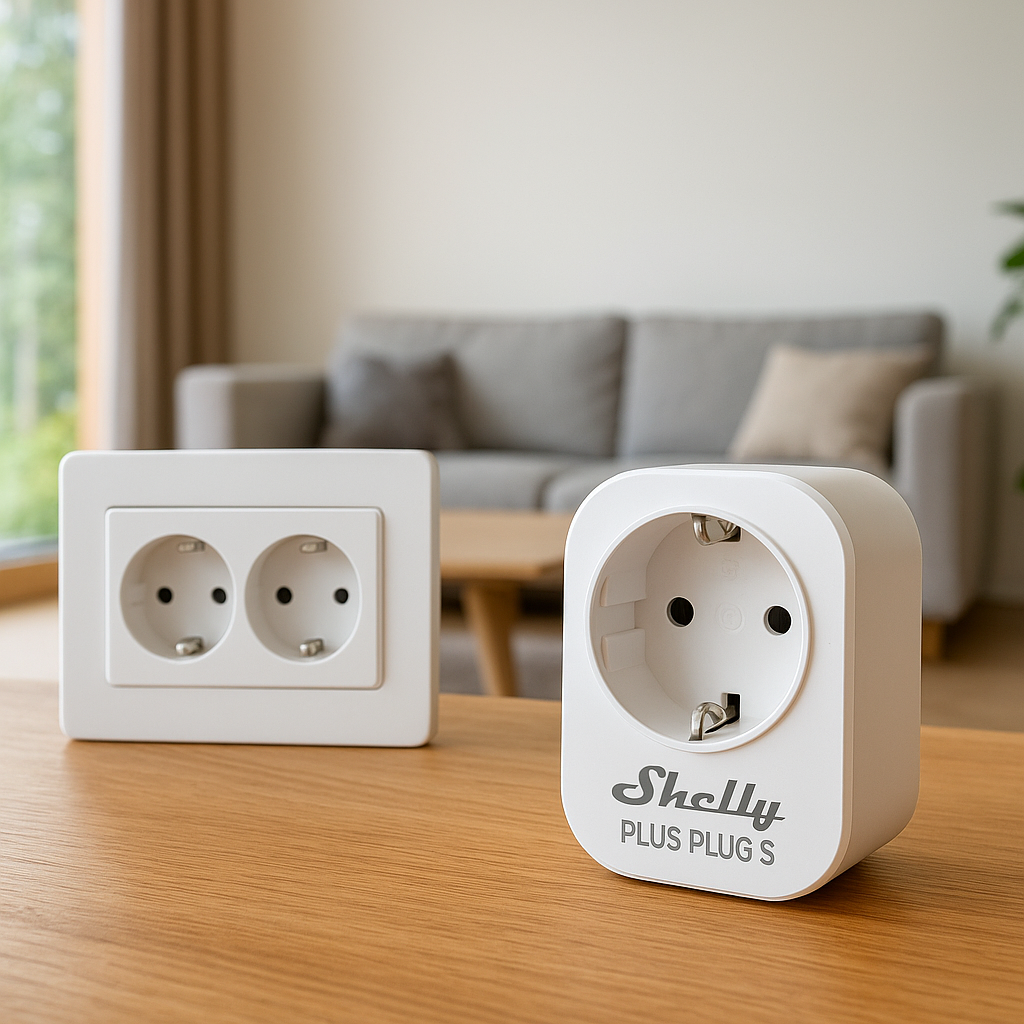
A smart faucet is even more useful when paired with other simple upgrades. Adding smart under-cabinet lights or a smart bulb over the sink lets you turn on task lighting with the same voice assistant you use for the faucet. Smart plugs can automate countertop appliances like coffee makers or slow cookers.
This combination makes your kitchen feel cohesive: one voice command can turn on the sink light, start the faucet, and power the coffee machine.
Building a cohesive smart kitchen automation routine
In your Alexa, Google Home, or Apple Home app, experiment with routines such as:
- Morning prep: Turn on sink lighting, heat water at the faucet, and start a smart kettle.
- Cooking mode: Brighten task lights, set a timer, and enable voice presets for measuring water.
- Cleanup mode: Increase light brightness, run the faucet, and power on the dishwasher via a smart plug (if appropriate).
Keep routines simple at first and refine them as you see how your household actually uses the kitchen.
When to upgrade other kitchen fixtures alongside your faucet
If you are already opening up the sink area, it can be efficient to update related fixtures at the same time:
- Swap old shutoff valves for new quarter-turn valves.
- Add a garbage disposal switch or air switch in a convenient location.
- Upgrade to a deeper or more functional sink if your current one feels cramped.
Doing these projects together reduces disruption and helps your kitchen feel like a unified upgrade rather than a mix of old and new parts.
FAQ
Do smart kitchen faucets work during a power outage?
Many smart faucets can still operate manually with the handle if power or batteries fail, but sensor and voice functions will be disabled until power is restored. Check the product manual to confirm how your specific model behaves.
Will a smart faucet increase my water pressure?
A smart faucet will not boost low water pressure on its own. In some cases, the built-in aerator or flow regulator can slightly reduce flow. If you have very low pressure, talk to a plumber before upgrading.
Are smart kitchen faucets safe for households with kids?
Yes, and they can be safer than standard faucets when you use temperature limits and auto-off timers. Many models allow you to set a maximum hot water temperature and use warm presets for sensor or voice activation.
Do I need a hub for my smart faucet to work?
Some faucets connect directly to Wi-Fi through the manufacturer’s app, while others require a small hub or bridge. This varies by brand and model, so check the requirements carefully before buying.
How long do smart kitchen faucets usually last?
The mechanical parts of a quality faucet can easily last 10–15 years or more with normal use. Electronic components may have shorter warranties, but brands like Moen, Delta, and Kohler design their smart systems with replaceable parts so you can service them instead of replacing the entire faucet.