Outdoor smart plugs are one of the easiest upgrades you can make to your yard, patio, or pool area. They turn ordinary outdoor outlets into app-controlled, voice-controlled power sources that can handle everything from holiday lights to pool pumps – without you running outside in the rain to flip a switch.
The challenge is that not every plug labeled “outdoor” is truly built to live outside year after year. Some handles crack in the sun, seals fail after one winter, or Wi‑Fi drops as soon as the temperature changes. This guide walks you through how to pick the best outdoor smart plugs for long-term use, with practical examples for holiday lights, pools, and garden power.
We’ll cover what features actually matter, how to stay safe around water and high loads, and how to build useful automations that make your outdoor spaces feel as smart as the inside of your home.
Why You Need an Outdoor Smart Plug (Not Just a Regular Power Strip)
Common outdoor use cases: holiday lights, pool pumps, garden and patio power
Outdoor smart plugs are designed for devices that live outside or are used frequently in your yard or on your patio. Typical use cases include:
- Holiday lights and decorations: Control roofline lights, yard inflatables, and window candles from your phone instead of crawling behind bushes for a timer.
- Landscape and pathway lighting: Automate garden spotlights, deck lights, and pathway markers to turn on at sunset and off at bedtime.
- Pool and spa equipment: Schedule compatible pumps, heaters, and UV systems to run at optimal times, especially overnight.
- Water features: Control fountains, pond pumps, and waterfalls without reaching behind plants or equipment.
- Garden gear: Turn on greenhouse fans, seedling mats (if safe for smart plugs), or plug-in irrigation controllers.
- Patio and entertainment: Power string lights, plug-in heaters within rating limits, bug zappers, and outdoor speakers.
Key advantages over traditional outdoor timers and extension cords
Traditional outdoor timers and basic extension cords work, but they’re limited and can get messy fast. Outdoor smart plugs give you:
- Precision timing: Instead of a mechanical dial, you set exact on/off times to the minute, with different schedules on weekdays and weekends.
- Remote control: Switch devices from your phone, even if you’re not home, instead of manually adjusting a timer or unplugging cords.
- Status feedback: See at a glance whether something is on or off, which is especially helpful for pumps or heaters you can’t easily see or hear.
- Cleaner setups: A single weatherproof smart plug at the outlet is often safer and tidier than daisy-chaining extension cords and indoor strips.
Smart control: schedules, automation, and voice commands
The biggest upgrade is how an outdoor smart plug fits into your broader smart home:
- Schedules and timers: Run lights at sunset, shut off bug zappers at midnight, or cycle fountains during the day only.
- Automation with sensors: Pair motion sensors to trigger pathway lights, or use temperature sensors to run a greenhouse fan.
- Voice commands: Tell Alexa, Google Assistant, or Siri “Turn on the patio lights” or “Turn off the pool pump” instead of finding a switch in the dark.
- Scenes and routines: Include outdoor devices in scenes like “Movie Night,” “Vacation,” or “All Off” to manage both indoor and outdoor power together.
What to Look For in the Best Outdoor Smart Plugs
Weatherproof ratings explained (IP44 vs IP65 vs IP67)
Outdoor smart plugs should list an IP (Ingress Protection) rating, which tells you how well they resist dust and water. The two digits matter:
- IP44: Protected against solid objects larger than 1 mm and splashing water from all directions. Fine under covered porches or vertical rain, but not for heavy spray.
- IP65: Dust-tight and protected against water jets. Good for more exposed locations, including near ground level where sprinklers may hit.
- IP67: Dust-tight and can survive brief immersion in water. Great for harsh environments, though your outlet and cords still need protection.
If you want the full technical breakdown, the IP Code standard is a helpful reference. For most homes, IP44 is acceptable in sheltered spots, while IP65 or better is wise in exposed areas or where sprinklers are involved.
Build quality, housing materials, and cable design for long-term durability
The plastic body and cable sleeve are just as important as the IP rating:
- UV-resistant plastic: Prevents cracking and yellowing under direct sun.
- Thick rubberized housing: Absorbs bumps and protects internal electronics from minor impacts.
- Strain relief on cables: Look for molded reinforcement where the cord meets the body, reducing flex damage.
- Protective outlet covers: Flip-down or gasketed covers help keep water out when outlets aren’t in use.
Mid-range brands like TP-Link Kasa, Meross, Wyze, and Eve often balance decent build quality with good app support. Super-cheap, unbranded plugs may cut corners on seals and plastics.
Wi-Fi vs Bluetooth vs hub-based (Zigbee/Z-Wave, Matter compatibility)
Connectivity affects range, reliability, and how your plug integrates with the rest of your system:
- Wi‑Fi plugs: Most common and easiest to set up. They connect directly to your router. Great for most patios and front yards where Wi‑Fi reaches reliably.
- Bluetooth plugs: Limited range and often require you to be nearby. Less ideal for permanent outdoor automation.
- Zigbee/Z‑Wave plugs: Require a hub (like SmartThings, Aeotec, or certain Echo devices), but can be more reliable at the edge of your property and participate in mesh networks.
- Matter-compatible plugs: Newer models that work across platforms (Apple Home, Google Home, Alexa) with a single standard. Helpful if you mix ecosystems.
If your outdoor outlet is far from the house, a Zigbee or Matter plug connected through a hub can be more reliable than Wi‑Fi alone.
Single vs dual (or multi) outlets and independent control
Outdoor smart plugs come in different layouts:
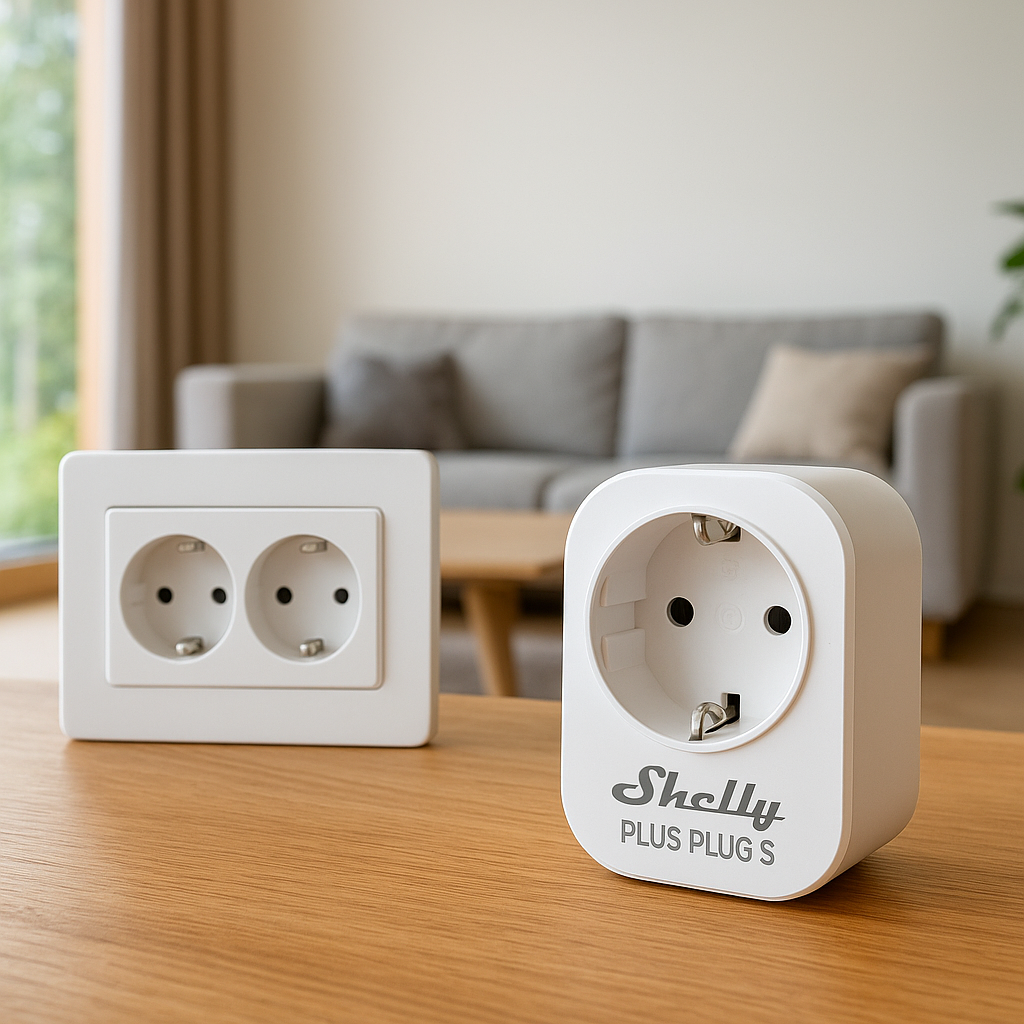
- Single-outlet plugs: Compact and simple. Good for one device or a single string of lights.
- Dual-outlet plugs: Two outlets on one body. The best models give you independent control of each outlet, so you can schedule pathway lights separately from an inflatable.
- Multi-outlet stakes or power centers: Several outlets on a stake or bar, sometimes with multiple zones. Useful for complex holiday or garden setups.
Check the product description carefully: some dual plugs only have one internal relay, so both outlets always turn on and off together.
Load capacity and safety for pool pumps, heaters, and heavy-duty devices
Every smart plug has maximum ratings, usually listed in amps (A) and watts (W). Common outdoor plugs are 10–15A at 120V in North America (about 1,200–1,800W).
- Light loads: LED holiday lights and small pumps are usually fine.
- Medium loads: Some plug-in heaters, larger pumps, or older incandescent strings push the limits quickly.
- Heavy loads: Large pool pumps, whole-spa heaters, and high-power tools often exceed smart plug limits and may require hardwired controls or specialized equipment.
Always compare your device’s label to the plug’s ratings, and remember that outdoor devices may run for many hours continuously. Continuous loads should stay well below the max rating (aim for 70–80% or less).
App quality, automation options, and voice assistant support (Alexa, Google, Siri)
The app is where you’ll actually live day to day, so a clean, reliable interface is worth just as much as hardware specs:
- Look for: Easy schedule creation, sunrise/sunset options, groups, scenes, and clear on/off history.
- Check integrations: Confirm support for your ecosystem: Alexa, Google Home, Apple Home, SmartThings, or IFTTT.
- Cloud vs local control: Some plugs work even if the internet goes down (local LAN control), which is nice for reliability.
Popular ecosystems like Kasa, Meross, and Wyze have comparatively mature apps with decent automation features built in.
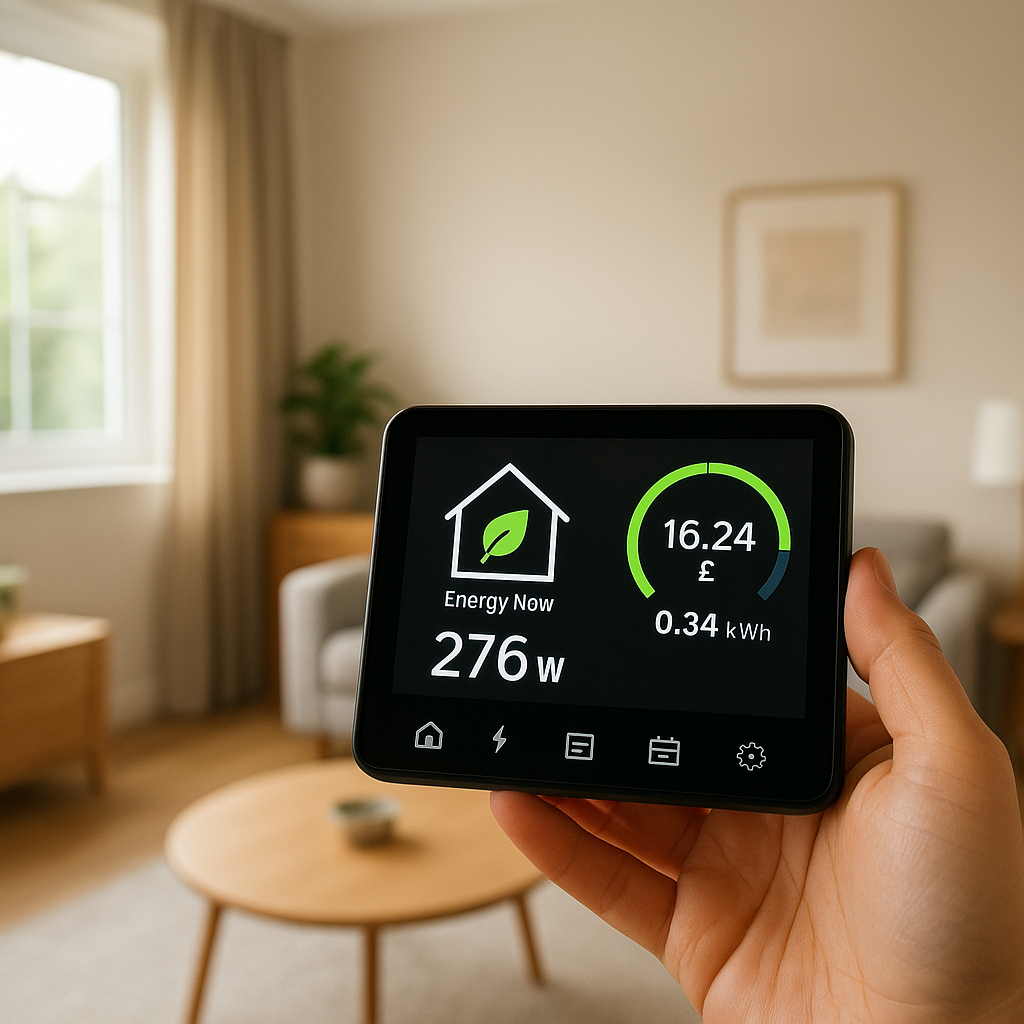
Energy monitoring and data you actually get outdoors
Some outdoor smart plugs offer energy monitoring, which can be helpful if you run devices for hours at a time:
- Holiday displays: See how much power your lights and inflatables are using and adjust schedules accordingly.
- Pumps and spas: Track how much your fountain or spa circulation adds to your electric bill.
- Usage patterns: Identify devices that are left on unnecessarily, like bug zappers or heaters.
The quality of monitoring varies; some only show approximate kWh per day, while others log detailed historical charts. Treat it as a helpful guide, not a billing-grade meter.
Best Outdoor Smart Plugs for Holiday Lights
Top pick for permanent outdoor string lights and decor
For permanent string lights on patios or pergolas, look for a compact, weatherproof plug with reliable Wi‑Fi and strong scheduling:
- Features to prioritize: IP65 rating or better, single or dual outlets with independent control, and solid mounting or hanging options to keep it off the ground.
- Real-world example: A dual-outlet plug controlling both warm white string lights and a decorative lantern, scheduled to run from sunset to 11 p.m. every evening.
A Wi‑Fi outdoor plug from a major brand with good app reviews is usually the best match for long-term, always-connected decor lighting.
Budget-friendly outdoor smart plug for seasonal holiday displays
For seasonal displays that only run for a few weeks each year, a budget plug can make sense as long as it’s properly rated:
- Look for: At least IP44, 15A rating, and UL/ETL certification.
- Nice-to-have: A simple app that supports multiple schedules and device grouping.
- Skip extras: If it’s only used for a few weeks, you may not need energy monitoring or integration with every platform.
These budget plugs are perfect for yard inflatables, roofline lights, and laser projectors you pack away in January.
Best pick for heavy holiday loads and multiple inflatables
If you’re running several inflatables or long strings of incandescent (non-LED) lights, you need to pay closer attention to load:
- Choose a 15A-rated plug and add up the wattage of everything that will be downstream.
- Use a quality outdoor power stake or rated splitter rather than chaining multiple cheap extension cords.
- Split big displays into zones: For example, one smart plug for the left side of your yard and one for the right, each with its own schedule.
This approach keeps each plug under its rated limit and also gives you more flexible control (e.g., turning inflatables off earlier than the main lights).
Scheduling and sunset/sunrise automations for hassle-free lighting
The best outdoor smart plugs for holiday lights offer built-in astronomy-based schedules:
- Sunset-based start: Lights turn on just as it gets dark, even as sunset shifts throughout the season.
- Fixed off times: For example, off at 11 p.m. every night to avoid wasting power overnight.
- Per-day variations: Longer hours on weekends, shorter on weekdays.
Once configured, your lights simply “just work” all season with no manual adjustments.
Dealing with GFCI outlets and extension cords safely for decorations
Most outdoor outlets are GFCI-protected, which is a good thing. But holiday displays can create nuisance trips if not set up carefully:
- Use outdoor-rated cords only (marked for outdoor or “W” type) and keep plug connections off the ground.
- Do not overload a GFCI circuit with too many high-wattage devices; spread loads across outlets if possible.
- Test the GFCI using its “Test” and “Reset” buttons before connecting your smart plug.
Place your smart plug directly into the GFCI outlet when possible, and then run a single outdoor-rated splitter or stake from there. Avoid stacking power strips.
Best Outdoor Smart Plugs for Pools, Spas, and Water Features
Smart plug for pool pumps and filtration schedules (what’s safe and what’s not)
Pool circulation systems vary widely, and not all of them are appropriate for control via a plug:
- Typically safe candidates: Small above-ground pool pumps that already plug into a standard outlet and are within the plug’s amp rating.
- Not recommended: Large in-ground pool pumps, multi-speed variable drives, or anything hardwired to a breaker panel.
For small plug-in pumps, a smart plug can automate filtration: for example, running 4–6 hours overnight during off-peak hours and an extra cycle in hot weather.
Recommended plugs for hot tubs, fountains, and pond pumps
Many hot tubs and spas are hardwired or use 240V circuits and should not be controlled by a basic 120V smart plug. However, you can often use smart plugs for:
- Plug-in spa accessories: Such as a plug-in circulation pump, lights, or small heater pads that are within rating and designed for outlet use.
- Fountains and pond pumps: These are usually low to medium power and perfect for dawn-to-dusk or on-demand operation.
For any spa or high-power equipment, check the manufacturer’s guidance; many explicitly say not to switch the main power with a third-party plug, as it can interfere with built-in safety controls.
Using smart plugs with existing pool control systems or timers
If you already have a mechanical timer or dedicated pool control system, you can often layer smart plugs carefully:
- Do not double-time critical equipment: Avoid putting a smart plug in series with an existing pump timer unless you fully understand the implications.
- Use smart plugs for non-critical loads: Such as pool lights, decorative waterfalls, or landscape lighting around the pool.
- Integrate logically: For example, a “Pool Party” scene that turns on deck lights, pool lights, and nearby speakers, leaving the filtration schedule unchanged.
Safety considerations around water: GFCI, enclosures, and code awareness
Water and electricity require caution. Around pools and spas, pay close attention to safety:
- GFCI protection is required for most outlets near water. The U.S. Consumer Product Safety Commission has guidance on proper GFCI use.
- Use weatherproof in-use covers (“bubble” covers) that can close over plugs while in operation.
- Keep connection points elevated and away from splash zones and standing water.
- Follow local electrical code and consult a licensed electrician if you’re unsure whether a particular setup is safe or allowed.
Automation ideas: off-peak energy use and vacation mode for pools and spas
Smart plugs can help align pool and spa operation with your lifestyle and utility rates:
- Off-peak filtration: Schedule compatible pumps to run mostly during lower-cost electricity hours.
- Vacation mode: Reduce runtime while you’re away but still maintain basic circulation for cleanliness.
- Weather-based tweaks: Use integrations (via IFTTT or home hubs) to increase circulation during heat waves to keep water clearer.
Best Outdoor Smart Plugs for Gardens, Patios, and Yard Power
Smart plugs for garden lights, pathway lighting, and landscape features
Garden and pathway lighting benefits greatly from smart control:
- Zone lighting: Use separate plugs for front yard, backyard, and side paths, each with its own schedule.
- Motion-activated pathways: Pair smart plugs with motion sensors so paths light up as you walk.
- Accent features: Control spotlights on trees, sculptures, or water features for special occasions only.
Outdoor smart plugs for irrigation controllers, pumps, and greenhouse fans
Many irrigation controllers are smart on their own, but you may still use plugs for:
- Simple plug-in timers that don’t have Wi‑Fi but can be powered on only during watering windows.
- Pond or well pumps feeding irrigation zones, as long as they are within the plug’s rating.
- Greenhouse fans and lights scheduled by temperature, time of day, or sunlight via your smart home hub.
Always ensure that any pump controlled by a smart plug is safe to cycle on and off via power; some pumps require specific start-up conditions.
Patio and entertainment setups: heaters, speakers, and bug zappers
For patios and decks, outdoor smart plugs can manage comfort and ambiance:
- String lights and lanterns that turn on automatically for evening gatherings.
- Bug zappers that run only during dusk and early night, not all day.
- Plug-in speakers powered on only when you trigger an “Outdoor Music” scene.
- Heaters that are within rating; many high-wattage patio heaters draw too much current for typical plugs, so always verify specs.
Using outdoor smart plugs with smart home routines and scenes
Once your outdoor plugs are integrated with Alexa, Google Home, or Apple Home, you can build powerful routines:
- “Goodnight” routine: Turns off all outdoor lights and decorations, locks doors, and arms security sensors.
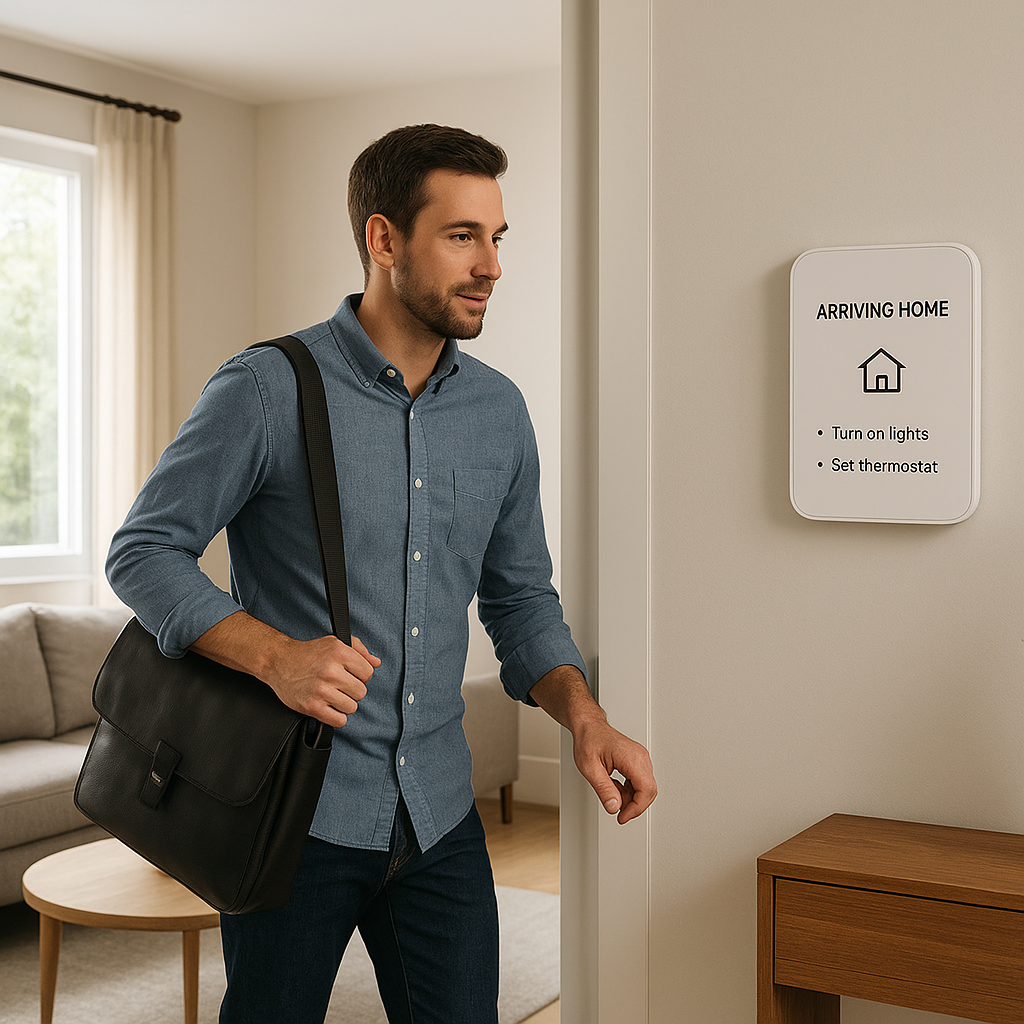
- “Arrive Home” routine: Triggers driveway and porch lights plus a path to your main entry.
- “Party” scene: Activates patio lights, water features, and outdoor speakers together.
Grouping outdoor devices with indoor ones makes your smart home feel unified rather than like separate systems.
Weatherproofing, Placement, and Installation Tips
Proper placement to avoid water ingress and sun damage
Even a high IP rating doesn’t mean you can ignore placement:
- Mount vertically when possible to help water run off.
- Keep off the ground so plugs aren’t sitting in puddles or snowbanks.
- Avoid constant direct sun if you can; under an eave or behind a post extends life.
Using outdoor-rated boxes, covers, and extension cords
A few inexpensive accessories dramatically improve safety and longevity:
- In-use covers that close over your smart plug and outlet.
- Weatherproof junction boxes or cord covers to protect plug-to-cord connections on the ground.
- Outdoor-rated extension cords with thick insulation and proper strain relief.
Label outdoor cords so you don’t accidentally use them indoors for sensitive electronics later.
How to maintain seals, gaskets, and cable connections over time
Outdoor plugs age faster than indoor ones. A quick inspection a few times a year goes a long way:
- Check rubber gaskets and flaps for cracking or stiffness.
- Inspect cables for nicks, compression, or chew marks from pets or wildlife.
- Clean dirt and debris from around seals with a dry cloth; avoid soaking cleaners.
If a plug’s body is cracked or its cord is damaged, retire it rather than trying to patch it.
Wi-Fi coverage challenges outdoors and how to fix them
Wi‑Fi often weakens right where you want your smart plug. A few options:
- Move your router closer to exterior walls or higher up to improve line-of-sight coverage.
- Add a mesh Wi‑Fi node in a room facing the yard or near the garage.
- Consider Zigbee/Matter plugs if your Wi‑Fi still struggles at the property edge.
Before drilling holes or buying hardware, test coverage by standing near your outdoor outlet with your phone and checking signal strength and speed.
Setup and Integration: Making Outdoor Smart Plugs Work With Your Smart Home
Step-by-step setup: pairing, naming, and grouping outdoor devices
Most outdoor smart plugs follow a similar setup pattern:
- Plug it into a powered outdoor outlet within Wi‑Fi range.
- Download the manufacturer’s app and create an account if needed.
- Put the plug into pairing mode (usually by holding the power button).
- Follow the app prompts to connect it to your Wi‑Fi or hub.
- Give it a clear name like “Front Porch Lights” or “Pool Fountain,” not just “Plug 1.”
- Group related devices (all “Holiday Lights” or all “Backyard”) for quick on/off control.
Integrating with Alexa, Google Home, Apple Home, and IFTTT
Once your plug is working in its native app, add it to your voice or automation platform:
- Alexa / Google Home: Link the manufacturer’s “skill” or “service” and discover devices.
- Apple Home: For HomeKit or Matter-compatible plugs, scan the HomeKit code and assign it to a room.
- IFTTT: Use applets to connect your plug to weather services, presence detection, or other triggers.
After integration, test simple voice commands like “Turn on the backyard lights” to confirm everything is mapped correctly.
Creating useful automations for holidays, vacations, and daily routines
A few practical ideas:
- Holiday: Automatically turn on decorations at sunset and off at midnight to avoid overnight waste.
- Vacation: Randomize some outdoor lighting within a window to simulate occupancy.
- Daily: Turn on porch and driveway lights at sunset and off at a set bedtime.
Start with simple automations and layer complexity only when you’re comfortable managing them.
Using outdoor smart plugs in broader smart energy and security scenes
Outdoor plugs can support both energy efficiency and security:
- Energy: Turn off nonessential outdoor loads during peak pricing hours if your utility supports time-of-use rates.
- Security: Tie driveway or yard lighting to security camera motion or door sensor triggers.
- All-off scene: Ensure everything outside is off when you leave or go to bed, including decorations, fountains, and entertainment devices.
Safety, Power Limits, and Common Mistakes to Avoid
Understanding amperage, wattage, and continuous vs peak loads
To avoid overloads, understand a few basics:
- Watts (W) = Volts (V) × Amps (A). On a 120V circuit, a 10A plug supports up to about 1,200W; a 15A plug up to about 1,800W.
- Continuous loads (running for 3+ hours) should be kept to 80% or less of the rating.
- Startup surges from motors (pumps, compressors) can temporarily exceed the running wattage; stay conservative with pumps and compressors.
When not to use a smart plug (high-load heaters, pool equipment edge cases)
There are times a smart plug is the wrong tool:
- High-power patio heaters, especially 1,500W+ models on an already loaded circuit.
- Large pool or spa equipment that is hardwired or uses 240V, or where manual power cycling can bypass safety systems.
- Critical life-safety devices like sump pumps where an accidental off command could cause flooding.
For these, look into purpose-built smart switches, contactors, or manufacturer-approved controllers.
Avoiding daisy-chaining and unsafe extension setups
One of the most common mistakes is chaining too many things together:
- Avoid stacking multiple power strips or plugging an indoor strip into an outdoor smart plug.
- Use a single outdoor-rated power stake or splitter if you need multiple outlets.
- Don’t run long, thin-gauge cords for high loads; this can cause overheating.
Seasonal inspection checklist before each holiday or summer season
Before you power up for the season, run through a quick checklist:
- Inspect plugs, cords, and outlets for cracks, discoloration, or damage.
- Test GFCI outlets and reset them before connecting loads.
- Verify that previous schedules and automations still make sense for your current setup.
- Clean away cobwebs, leaves, and debris from around outlets and covers.
Frequently Asked Questions About Outdoor Smart Plugs
Can outdoor smart plugs stay plugged in year-round?
Yes, many outdoor smart plugs are designed for year-round use, provided they have an appropriate IP rating and are installed correctly with proper covers. However, if you live in an area with extreme weather, it’s wise to inspect them seasonally and unplug any that show signs of damage or wear.
How do they handle snow, freezing temps, and extreme heat?
Most reputable outdoor smart plugs list an operating temperature range, such as -4°F to 104°F (-20°C to 40°C). They’ll keep working in light snow and heat as long as they stay within that range. In very harsh climates, choose plugs rated for wider temperature ranges and keep them sheltered from direct snow buildup or prolonged full sun.
Do outdoor smart plugs increase energy use or vampire power?
Smart plugs draw a small amount of standby power (often less than a watt) to stay connected. In most cases, the energy saved by better scheduling and the ability to turn things fully off outweighs this tiny overhead, especially for higher-draw devices like lights, pumps, and heaters.
What happens if the Wi-Fi goes out or the power blips?
If Wi‑Fi drops but power stays on, most smart plugs continue following their last saved schedules, though remote control won’t work until the network returns. If power goes out, the plug usually returns to its last known state or a preset default once power is restored; check your model’s settings to choose the behavior you prefer (on, off, or last state).
Final Recommendations and Quick Buying Guide
Best overall outdoor smart plug for most homes
For most households, the best overall outdoor smart plug is a mid-priced, Wi‑Fi model from a well-known brand that offers:
- IP65 weatherproofing or better
- 15A rating
- Dual independently controlled outlets
- Sunrise/sunset scheduling
- Alexa and Google Assistant support (and ideally Matter for future flexibility)
This type of plug comfortably handles holiday lights, patio string lights, small pumps, and general outdoor power needs.
Best budget pick and best heavy-duty option
Budget pick: Choose a single-outlet, IP44–IP65 Wi‑Fi plug from a brand with a decent app and good reviews. Use it for seasonal decorations, basic garden lighting, or a fountain.
Heavy-duty option: Look for an IP65+ plug with a full 15A rating, robust housing, and clear certification labels (UL/ETL). Use it for larger holiday displays, multiple LED strings, or medium-duty pumps, always staying under the rated load.
Quick decision checklist for holiday lights, pools, and gardens
Before you buy, run through this quick checklist:
- Environment: Sheltered porch (IP44 OK) or fully exposed / sprinkler zone (IP65+)?
- Load: Add up the watts of everything you’ll plug in. Stay under 80% of the plug’s rating.
- Connectivity: Is Wi‑Fi strong at that outlet? If not, consider mesh Wi‑Fi or a hub-based plug.
- Control: Do you need independent outlets, sunrise/sunset schedules, or specific voice assistant support?
- Safety: Near water or high loads? Make sure you have GFCI protection and follow manufacturer guidance.
With the right outdoor smart plugs in the right places, your holiday lights, pool, and garden can be safer, more efficient, and far easier to manage all year long.