Time-of-use (TOU) electricity plans can cut your power bill without forcing you to constantly think about when to run appliances. The trick is letting automation handle the timing for you.
By pairing high-energy appliances with smart plugs and simple schedules, you can automatically shift power-hungry tasks into cheaper off-peak hours. That means lower bills, less strain on the grid, and almost no change to your daily routine.
This guide walks through time of use energy automation with smart plugs: how TOU pricing works, which appliances to automate, how to choose the right devices, and step-by-step examples you can copy at home.
What Are Time-of-Use Electricity Rates and Why They Matter
How time-of-use (TOU) pricing works and common peak vs off-peak hours
Time-of-use rates charge different prices for electricity depending on the time of day. Power is more expensive when demand is high (late afternoon and early evening) and cheaper when demand is low (overnight and some midday hours).
Typical TOU plans divide the day into:
- Peak: Highest prices, often weekday late afternoons and evenings (e.g., 4 p.m.–9 p.m.).
- Off-peak: Moderate prices, usually overnight and mid-morning hours.
- Super off-peak (if offered): Very low rates, often late night to early morning (e.g., midnight–6 a.m.).
Each utility defines its own schedule. Some also have seasonal differences (summer vs winter) or special “critical peak” days during heat waves. You can read more about how TOU pricing works on the Time-of-use pricing article on Wikipedia.
Why high-energy appliances are the key to saving with TOU plans
Not every device in your home uses enough electricity to matter on a TOU plan. Moving a phone charger from 6 p.m. to 2 a.m. won’t change your bill.
The biggest savings come from high-energy, long-running appliances such as:
- Clothes dryers and washing machines
- Dishwashers (especially with heated dry)
- Electric water heaters
- Portable space heaters or AC units
- Dehumidifiers
- EV chargers and larger resistive loads (though these usually need dedicated hardware, not basic plugs)
These devices can draw hundreds or even thousands of watts for long periods. Shifting them from peak to off-peak hours is where automation really pays off.
Realistic savings potential when you automate around TOU rates
The exact savings depend on your rates and how much you can shift. Many utilities charge 2–4× more for electricity during peak hours than during off-peak.
As a rough idea, households that move major loads like laundry, dishwashing, and water heating out of peak windows can often shave 5–20% off their electricity costs, without changing how much energy they actually use. Automation helps you achieve this consistently, instead of relying on memory or habits.
Which High-Energy Appliances You Should Automate First
Clothes dryers, washing machines, and dishwashers
These are usually the easiest wins because they:
- Run for 1–3 hours per cycle.
- Often have flexible timing (you don’t need dishes or dry clothes instantly).
- Can be safely scheduled if you set them up thoughtfully.
Common approach:
- Load the machine in the evening.
- Turn its physical power button to “On” or a delayed-start setting (if available).
- Use a smart plug schedule so it actually runs during your super off-peak window (e.g., 1 a.m.–4 a.m.).
Many modern dishwashers and washing machines have built-in delay start timers. If yours does, you might only need a smart plug for monitoring and fail-safe shutoff, but for older machines a plug-based schedule helps a lot.
Electric water heaters and immersion heaters
Electric water heating is often one of the biggest loads in a home. If you have a small immersion heater or plug-in water heater, a heavy-duty smart plug can limit its runtime to the cheapest hours while still keeping enough hot water for daily use.
Example schedule:
- Turn on from 3 a.m.–5 a.m. (super off-peak) to heat the tank.
- Optionally add a short top-up window mid-day if off-peak prices are low.
Large whole-home water heaters are often on dedicated circuits and typically require a smart switch, contactor, or utility-controlled device rather than a simple plug. Always check the load rating and consult an electrician if unsure.
Space heaters, portable AC units, and dehumidifiers
Portable climate devices can use as much power as a small window AC or more. Smart plugs let you:
- Run dehumidifiers harder during cheap hours.
- Pre-heat or pre-cool a room just before you wake up, avoiding heavy use in the peak window.
- Enforce automatic cut-off times so a heater isn’t left on all night unnecessarily.
For safety, only automate devices that are designed for unattended operation and have built-in safety features (tip-over protection, overheat sensors, etc.).
EV chargers and other heavy loads you should not put on basic smart plugs
Some high-energy devices should never be run through basic consumer smart plugs:
- EV chargers (Level 1 and Level 2)
- Electric ovens and cooktops
- Baseboard heaters on dedicated circuits
- Large window or split AC units that are hard-wired or on special outlets
- Any appliance drawing more than the plug’s rated current (often 10–15A for typical smart plugs)
These loads usually require either built-in smart scheduling (for EV chargers) or professional-grade smart switches and relays rated for the circuit. A cheap plug is not designed to handle the sustained current or heat from these devices.
Choosing the Right Smart Plugs for Time-of-Use Automation
Key specs: amperage rating, maximum wattage, and safety certifications
Before anything else, make sure the smart plug is electrically safe for the job:
- Amperage rating: Common ratings are 10A, 13A (UK), or 15A. The plug’s rating must be equal to or greater than the appliance’s maximum current.
- Maximum wattage: Check that your appliance’s wattage (from its label) is below the plug’s maximum. Leave headroom instead of running at the absolute limit.
- Certifications: Look for marks like UL (US), ETL, CE (EU), or equivalent regional safety approvals.
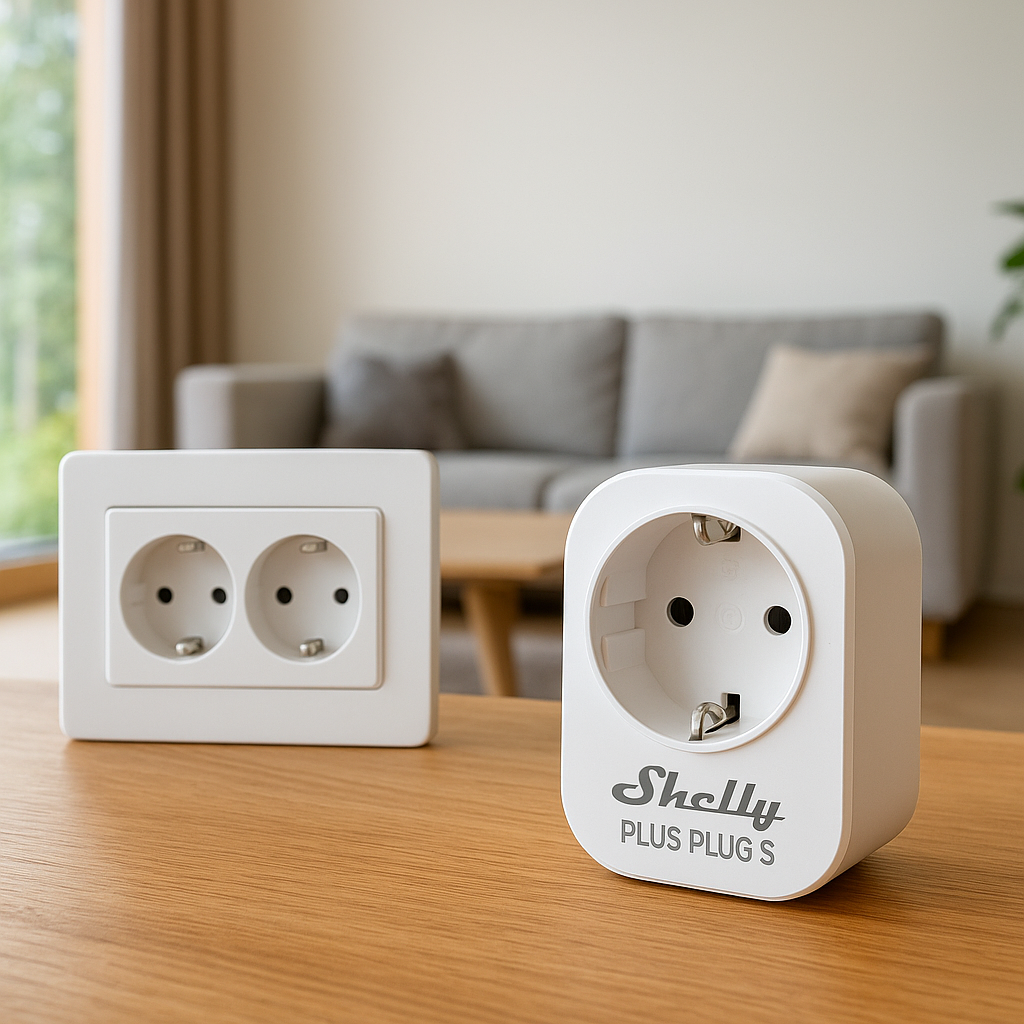
Well-known examples include TP-Link Kasa smart plugs, Eve Energy (for Apple Home), and Shelly Plug models for heavier loads.
Wi-Fi vs Matter vs Zigbee smart plugs for reliable scheduling
Connectivity affects how reliable your time-based automations will be:
- Wi-Fi plugs: Easy to set up, no hub needed. Great for most users, but they rely on your router being stable.
- Zigbee plugs: Require a hub (e.g., Amazon Echo with Zigbee, SmartThings, or a Zigbee USB stick with Home Assistant). Often more reliable for large setups and can keep working locally even if the internet goes down.
- Matter plugs: The newer standard that works across ecosystems (Apple, Google, Amazon, etc.). Often support local control, which is ideal for schedules and TOU routines.
If you’re just starting, a good Wi-Fi or Matter plug from a reputable brand is usually enough. For whole-home automation, Zigbee and Matter can provide more robust local control.
Built-in energy monitoring vs basic on/off control
Energy-monitoring smart plugs measure how much power a device uses. This is extremely helpful for TOU automation because you can:
- See which appliances are actually worth scheduling.
- Estimate kWh shifted from peak to off-peak.
- Track cost savings over time.
Basic on/off plugs are fine for simple schedules, but if you want to optimize and verify savings, choose models with built-in monitoring.
Recommended smart plug features for TOU automation (local schedules, away mode, scenes)
For consistent TOU automation, look for:
- Local schedules: Timers and schedules that run directly on the plug or hub, even if your internet is down.
- Away/vacation mode: Randomized or alternate schedules can prevent devices from running when you’re gone.
- Scenes or routines: So you can group actions like “Night Energy Saver” to start multiple off-peak tasks at once.
- Integration with your assistant/platform: Support for Alexa, Google Home, Apple Home, or your chosen hub makes future automation easier.
Step-by-Step: Set Up Time-of-Use Schedules with Smart Plugs
Map your utility’s TOU rate periods (peak, off-peak, super off-peak)
Start by finding the exact time windows for your plan:
- Log in to your utility account or check your bill.
- Look for a “Time-of-Use” or “Time-based rates” chart showing peak and off-peak hours. The U.S. Department of Energy has a helpful overview of these plans at Time-Based Electricity Rates.
- Write down the start and end times for each period, for weekdays and weekends.
This becomes your reference when building schedules in your smart plug app.
Create weekday vs weekend schedules in your smart plug app
Most smart plug apps let you create different schedules for specific days. Use this to align with your TOU chart:
- Create an “Off-peak ON” rule to power the appliance at the start of the cheap window.
- Create a “Cutoff” rule to turn it off before the peak period begins.
- Apply one schedule pattern to Monday–Friday and another to Saturday–Sunday if your rates differ.
For example, if peak starts at 4 p.m., you might schedule power-hungry devices to turn off at 3:45 p.m. to avoid running into the higher rate window.
Example schedules for dryer, dishwasher, and water heater during off-peak
Here are simple examples you can adapt:
- Dishwasher
Off-peak: 10 p.m.–8 a.m.
Schedule: Turn plug on at 11 p.m., off at 2 a.m.
Routine: Load after dinner, close door, ensure cycle starts when power is applied. - Washing machine / dryer
Super off-peak: midnight–6 a.m.
Schedule: Turn plug on at 5 a.m., off at 8 a.m.
Routine: Load machine the night before, wake up to finished laundry. - Small electric water heater
Super off-peak: 1 a.m.–5 a.m.
Schedule: Turn plug on at 2 a.m., off at 4 a.m.
Result: Hot water for morning showers using cheaper energy.
Test each appliance once while you’re awake to make sure it starts and stops correctly when the plug toggles power.
How to handle holidays, exceptions, and manual overrides
Your schedule won’t be perfect every day. Plan for exceptions:
- Manual override: Use the plug’s physical button or app to start a device outside schedule when needed (e.g., emergency laundry).
- Holiday mode: Some apps let you pause schedules entirely if you’re away.
- Temporary changes: For events like guests staying over, create a short-term scene or routine, then delete it later.
If your app supports it, add a voice command like “Run dishwasher now” that temporarily bypasses the usual TOU schedule.
Integrating Smart Plugs with Smart Assistants and Home Platforms
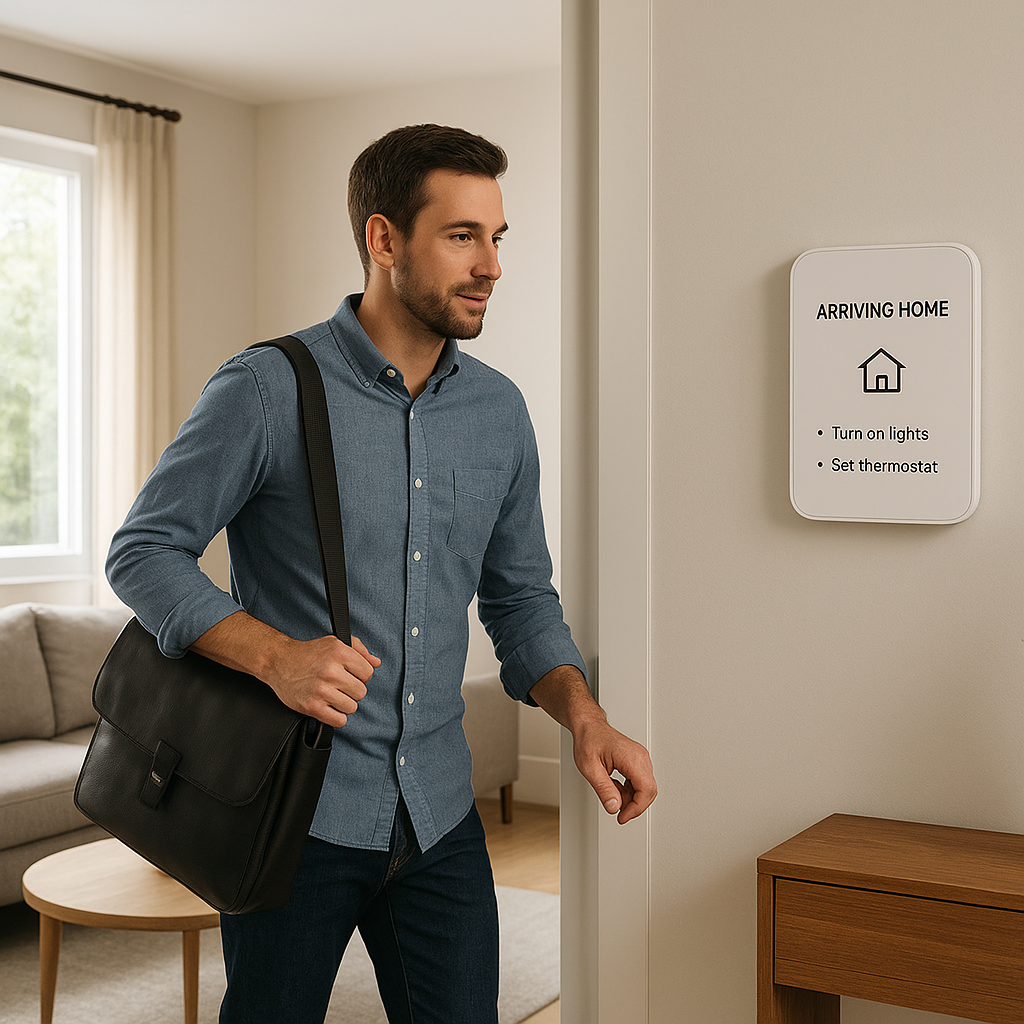
Using Alexa, Google Home, and Siri Shortcuts for TOU-friendly routines
Voice assistants make it easier to trigger TOU-aware routines without opening apps:
- Amazon Alexa: Create a routine that turns on specific plugs only if the current time is within your off-peak window.
- Google Home: Use “Household routines” with time-based triggers to start or stop groups of plugs.
- Siri Shortcuts / Apple Home: Set automations like “At 11 p.m., turn on Dishwasher Plug” on weekdays.
You can still keep fixed schedules on the plugs themselves, while assistants provide convenience commands such as “Start my off-peak cycle” that trigger scenes only when it makes sense.
Automating around TOU with Home Assistant, SmartThings, and Apple Home
If you use a full home automation platform, you can create more flexible rules:
- Home Assistant: Build automations that check both time and other conditions (presence, temperature, current power usage).
- SmartThings: Use “Routines” to combine plug control with motion sensors or mode (Home/Away/Night).
- Apple Home: Time and presence-based automations work well with Matter or HomeKit-compatible plugs.
These platforms also make it easier to change TOU windows later without editing individual plugs one by one.
Leveraging sunrise/sunset and presence detection to avoid running at peak times
TOU is mostly about clock time, but other signals can refine your automations:
- Sunrise/sunset: Don’t run a dehumidifier or heater heavily right at sunset if that lines up with peak pricing and the house is occupied.
- Presence detection: Skip some off-peak tasks (like laundry) when nobody is home for several days.
- Modes: Many platforms have “Away” or “Vacation” modes that you can use to temporarily suspend schedules.
Advanced Time-of-Use Automation Using Price and Grid Signals
Dynamic tariffs and real-time pricing: what they are and how to automate for them
Some utilities go beyond simple TOU and offer dynamic pricing where rates can change hourly based on wholesale market prices or grid conditions. Examples include real-time pricing and critical peak pricing programs.
With the right integrations, your smart home can react automatically to these changing prices, instead of following a fixed schedule.
Pulling energy price data into automations (e.g., via Home Assistant integrations)
Platforms like Home Assistant support integrations that fetch live or day-ahead price data from certain utilities or energy markets. Once set up, you can:
- Display current and forecast prices on dashboards.
- Use conditions like “if price < X” in automations.
- Shift certain tasks to the cheapest hours each day, even if they vary.
This level of automation takes more setup but can pay off if your tariff has large price swings.
Creating rules like “only run when price is below X” or “avoid critical peak events”
Once you have price or grid signals in your system, you can write smarter rules, such as:
- “Turn on dehumidifier plug if humidity > 60% and price < $0.15/kWh.”
- “Pause dishwasher and laundry if utility declares a critical peak event.”
- “Charge portable batteries or thermal storage devices only during the cheapest 3 hours of the day.”
These advanced strategies go beyond simple TOU schedules but build on the same foundation: smart plugs controlling when high-energy devices run.
Safety, Practical Limits, and What Not to Put on a Smart Plug
Appliances that require dedicated circuits or hard-wired connections
Some appliances are not suitable for plug-level control and should be left to dedicated smart switches or kept manual:
- Central HVAC systems
- Electric ovens, ranges, and built-in microwaves
- Fixed electric water heaters
- Large baseboard heating circuits
These typically draw more power than a plug is rated for and are wired directly into your electrical panel.
Avoiding overloads: how to match plug ratings to appliance loads
To stay safe:
- Check the appliance label for voltage and current (e.g., 120V, 12A) or wattage.
- Make sure the smart plug’s rating (e.g., 15A, 1800W at 120V) exceeds the load.
- Avoid daisy-chaining power strips or extension cords with high-load appliances on smart plugs.
If you’re right on the edge of the rating, choose a higher-capacity plug or a different automation method.
Fire safety, ventilation, and unattended operation considerations
Running appliances while you sleep or are away can be safe if you choose appropriate devices and follow guidelines:
- Use only well-maintained appliances designed for unattended operation (dishwashers, washing machines with modern safety protections, dehumidifiers).
- Keep vents, filters, and lint traps clean—especially for dryers and heaters.
- Ensure adequate ventilation around devices that produce heat.
- Install working smoke detectors near laundry and utility areas.
If an appliance manufacturer advises against unattended use, don’t automate it during times when nobody is available to respond.
Measuring Your Savings with Energy Monitoring
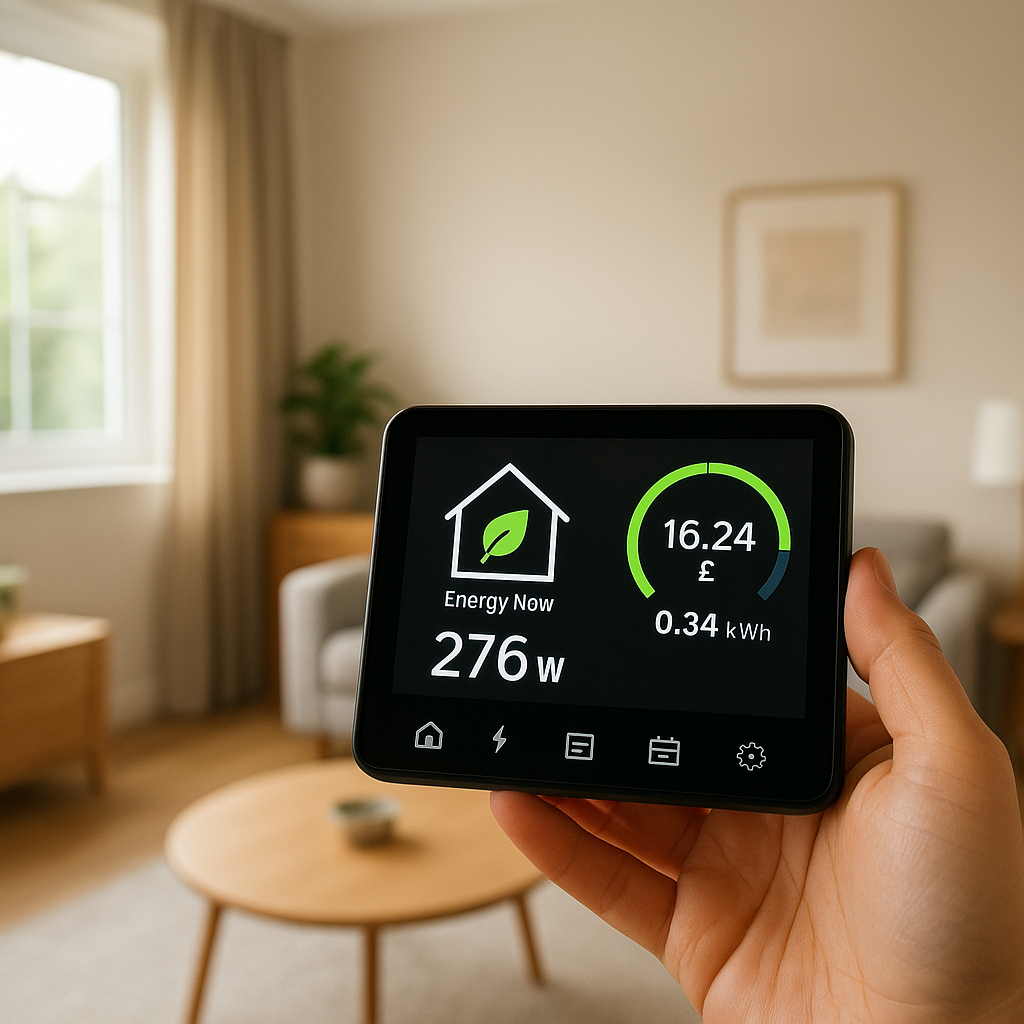
Using energy-monitoring smart plugs to track kWh and cost by device
Energy-monitoring plugs make your savings visible:
- They log how many kWh each appliance uses.
- Some apps let you enter your TOU rates so they can estimate cost directly.
- You can see which devices are worth focusing on and which are minor.
After a few weeks, you’ll have real data showing which automations have the biggest impact.
Comparing usage before and after TOU automation
To see the effect of your changes:
- Record baseline usage for key appliances for a week or two before automating.
- Enable your TOU schedules.
- Compare peak vs off-peak kWh, or total costs, from before and after.
Some utilities also show a breakdown of your usage by time block in their online portals, which pairs nicely with your plug data.
Creating monthly reports to fine-tune schedules and targets
At least once a month, review:
- Total kWh used by monitored plugs.
- How much usage happened in peak vs off-peak windows.
- Any appliances that still run heavily at peak times.
Adjust schedules to push a bit more usage into cheap hours, as long as it doesn’t disrupt your routine. Over time, you’ll find a balance between comfort and savings.
Troubleshooting Common Time-of-Use Automation Issues
Schedules not running on time or missing triggers
If schedules fire at the wrong time or not at all:
- Confirm the plug and your phone/hub share the correct time zone.
- Check if the schedule is stored locally on the plug or requires cloud access.
- Verify that “Day of week” selections match your TOU chart.
Sometimes, deleting and recreating a schedule is faster than debugging a stubborn rule.
Wi-Fi dropouts and how to keep automations running locally
Wi-Fi issues can interrupt cloud-based control. To minimize disruption:
- Use smart plugs that support local schedules or local hub control.
- Place your router centrally and consider a mesh system if your home is large.
- Avoid overloading your Wi-Fi with dozens of 2.4GHz devices on a single access point.
Local schedules mean that even if your internet goes down, your TOU timing keeps working.
When to replace a smart plug or split loads across multiple devices
Signs it’s time to upgrade or reconfigure:
- The plug gets unusually warm (hot to the touch) under normal load.
- Random resets or disconnections that persist even after troubleshooting Wi-Fi.
- You’ve added more devices to a single plug or strip than it’s designed for.
In those cases, either replace the plug with a higher-rated model, split loads across multiple plugs, or revert some devices to regular outlets.
Putting It All Together: A Sample Whole-Home TOU Automation Plan
Example setup for a small apartment with basic high-energy loads
For a 1–2 person apartment, you might automate:
- Dishwasher on a smart plug with a nightly off-peak schedule.
- Combination washer-dryer or separate dryer on a plug that runs early morning.
- Dehumidifier on a plug that runs mostly overnight.
You’d likely use 3–4 energy-monitoring Wi-Fi or Matter plugs, a simple TOU-based schedule in the app, and a couple of voice assistant routines for on-demand overrides.
Example setup for a larger home with multiple heavy appliances
For a larger home, the plan might include:
- Several dishwashers and laundry machines each on their own heavy-duty smart plug.
- One or two plug-in water heaters or immersion heaters scheduled in the super off-peak window.
- Multiple dehumidifiers or space heaters managed via a central hub like Home Assistant or SmartThings.
- Potential integration with dynamic tariffs using automations that react to live price signals.
This setup benefits from a more robust mesh network (Zigbee or Matter) and a central controller to coordinate everything.
Simple, low-maintenance routines most households can start with this week
You don’t have to build a complex system on day one. A simple starter plan might be:
- Put your dishwasher and dryer on smart plugs.
- Create a basic off-peak schedule for each, based on your TOU chart.
- Add one or two voice routines for manual overrides.
- Review energy usage after a month and decide if you want to expand.
This kind of low-maintenance time of use energy automation with smart plugs gives you solid savings with very little ongoing effort.
Conclusion
Time-of-use electricity plans reward you for when you use energy, not just how much. Smart plugs and thoughtful schedules let you shift the biggest loads into cheaper hours automatically, so you save money without constantly thinking about it.
Start with a few high-energy appliances, verify that your schedules work reliably, then grow your setup over time. With the right plugs, safe wiring, and a bit of monitoring, TOU automation can quietly trim your energy bills month after month.
FAQ
Do I need energy-monitoring smart plugs to benefit from TOU automation?
No. You can absolutely save money with basic on/off smart plugs and simple schedules. Energy-monitoring models just help you see exactly how much each device uses and confirm that your automations are paying off.
Is it safe to run appliances like dishwashers and washers overnight?
Modern appliances are generally designed for unattended operation, but safety comes first. Use well-maintained machines, keep filters and lint traps clean, follow manufacturer guidance, and ensure you have working smoke detectors. If you’re uncomfortable with fully unattended operation, schedule appliances for early morning or other times when you’re awake but still in off-peak hours.
Can I use smart plugs to control my central AC or furnace for TOU?
No. Central HVAC systems and other hard-wired appliances should not be controlled by plug-in smart outlets. Instead, look into smart thermostats or professionally installed control hardware that’s rated for those loads.
What happens to my schedules if the internet goes down?
If your smart plugs support local schedules or are connected to a local hub, your TOU automations should keep running even without internet access. Cloud-only devices may miss triggers during outages, so it’s worth choosing plugs or platforms that offer local control.
How many smart plugs do I really need to see savings?
Even 2–3 well-placed plugs on your highest-energy, most flexible appliances (typically dishwasher, laundry, and a climate device like a dehumidifier) can deliver noticeable savings on a TOU plan. You can always add more plugs later once you see how effective the first few are.