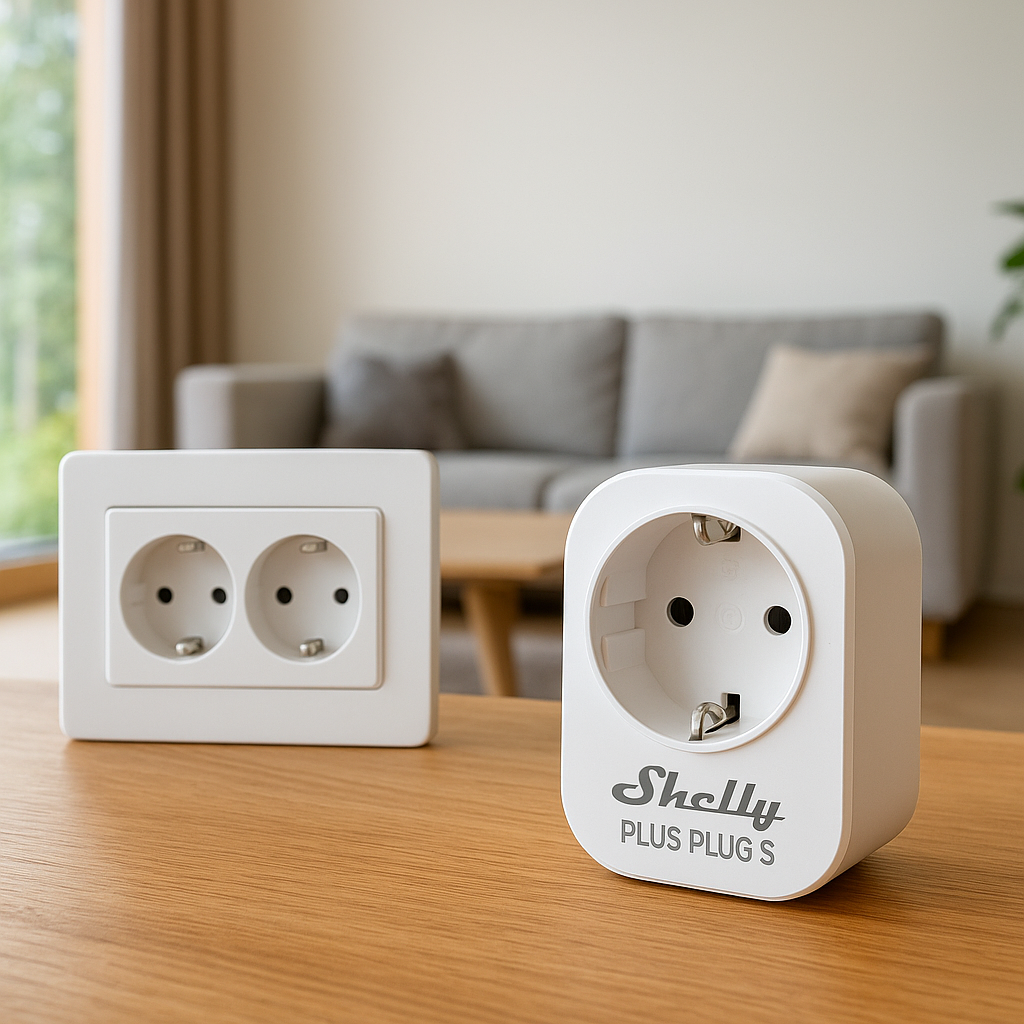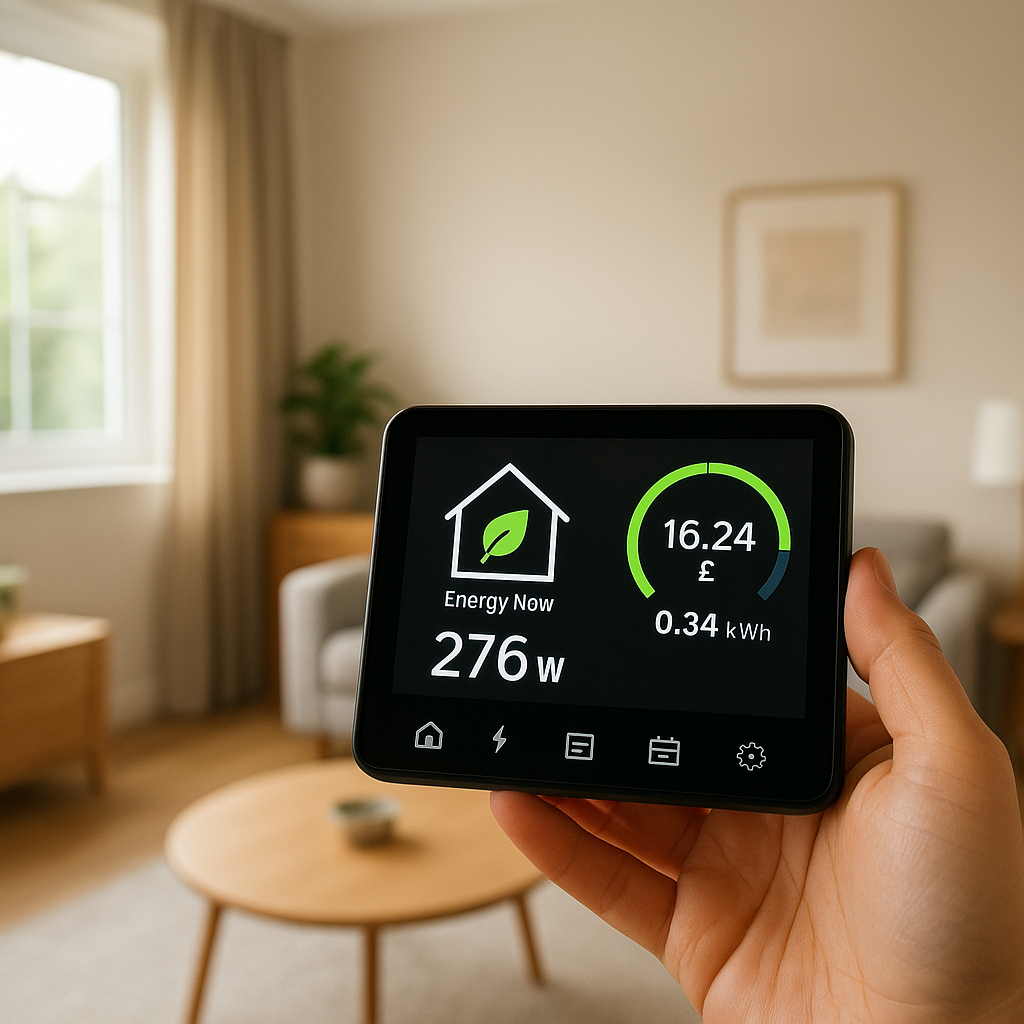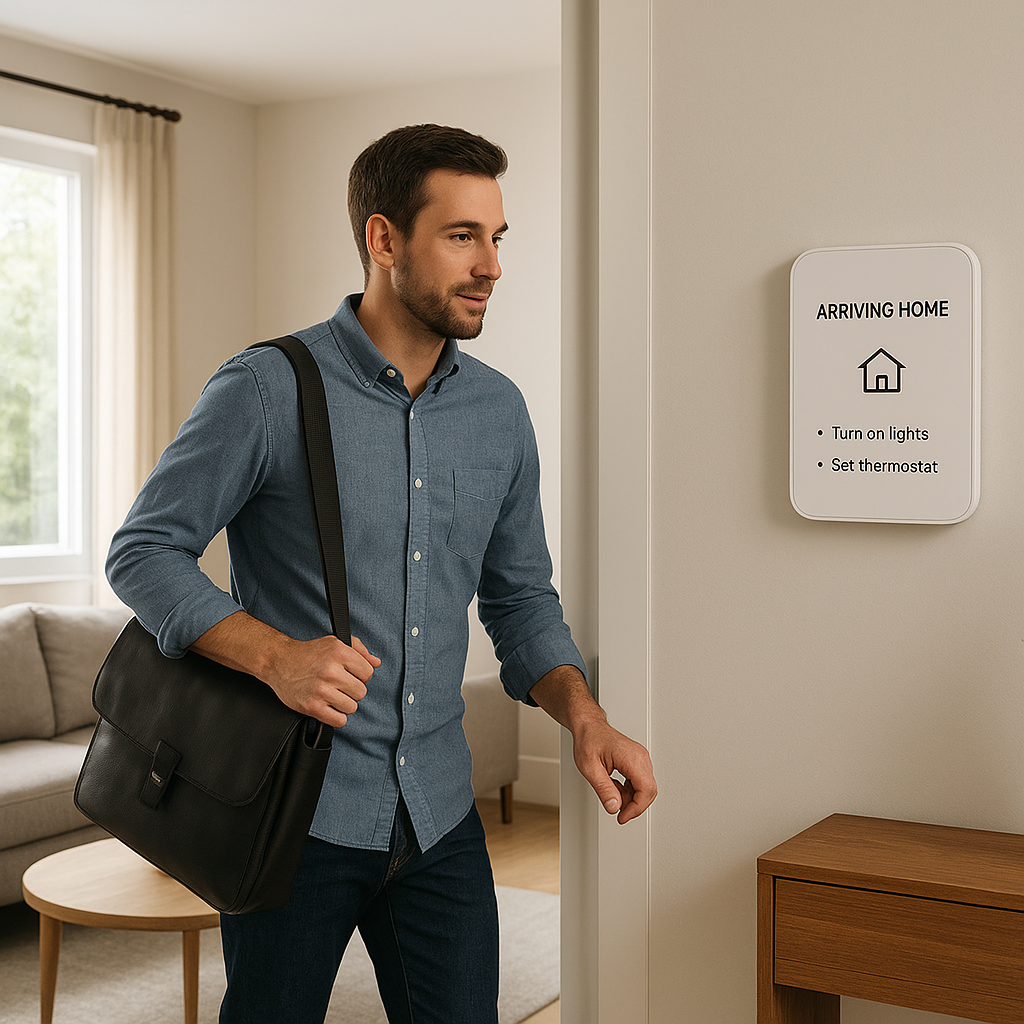
Smart plugs are often the first step into home automation. They’re cheap, easy to install, and instantly make lamps, fans, and other devices controllable from your phone or voice assistant.
Right now, though, there’s a big choice to make: stick with traditional Wi‑Fi smart plugs, or start buying newer Matter smart plugs. Both can work well, but they behave differently and age differently as your smart home grows.
This guide walks through Matter vs Wi‑Fi smart plugs in plain language, so you can decide what to buy today without painting yourself into a corner tomorrow.
Overview: Matter vs Wi‑Fi Smart Plugs at a Glance
What this guide will help you decide
By the end of this article, you should be able to:
- Explain the difference between traditional Wi‑Fi smart plugs and Matter smart plugs.
- Understand how each option affects reliability, speed, and internet dependence.
- Know which type of plug makes more sense for your home size, budget, and devices.
- Plan a gradual upgrade path if you already own Wi‑Fi plugs and want to move toward Matter.
Quick comparison table: Matter vs Wi‑Fi smart plugs
Here is a simplified comparison of Matter vs Wi‑Fi smart plugs:
| Aspect | Traditional Wi‑Fi Smart Plugs | Matter Smart Plugs |
|---|---|---|
| How they connect | Directly to your Wi‑Fi and cloud service | Use the Matter standard over Wi‑Fi or Thread |
| Control | Often cloud-based; some local control | Designed for local control first, cloud optional |
| Compatibility | Usually tied to one or two ecosystems | Multi-platform (Alexa, Google Home, Apple Home, SmartThings) via Matter |
| Setup | App-specific; varies by brand | Standardized onboarding with Matter QR code |
| Reliability | Can fail if cloud goes down | More resilient thanks to local communication |
| Network load | Each plug is a Wi‑Fi client; can crowd your router | Wi‑Fi or low-power Thread mesh (lighter on Wi‑Fi) |
| Future‑proofing | Depends on each brand’s app and cloud staying alive | Standard designed for long-term, cross-vendor support |
| Typical price (as of now) | Cheaper; frequent multi-pack deals | Often slightly more expensive, prices dropping |
What Are Wi‑Fi Smart Plugs and How Do They Work?
Basic Wi‑Fi plug architecture (router, cloud, app)
Traditional Wi‑Fi smart plugs are simple: they join your home Wi‑Fi network, then talk to a cloud service maintained by the manufacturer. Your phone app and voice assistants send commands to that cloud, which then tells the plug to turn on or off.
In a typical setup:
- The plug connects as a client to your Wi‑Fi router (just like a phone or laptop).
- It stays logged in to the brand’s cloud (TP‑Link Kasa, Tapo, Meross, etc.).
- Your app or Alexa/Google sends commands over the internet to that cloud.
- The cloud forwards the command back to the plug over your Wi‑Fi.
Some brands also support local control from your voice assistant or hub, but many features still rely on the cloud.
Common features of Wi‑Fi smart plugs (scheduling, voice control, energy tracking)
Most Wi‑Fi plugs offer at least:
- Remote on/off control from a phone app.
- Schedules and timers (e.g., turn off a lamp at midnight).
- Voice control via Alexa or Google Assistant, and sometimes Apple Home (if they support HomeKit).
- Scenes and automations within the brand’s app.
Some mid-range and higher-end models add:
- Energy monitoring (kWh and estimated cost).
- Overload protection and power limits.
- Away mode to randomly switch lights for security.
Pros and cons of traditional Wi‑Fi smart plugs
Advantages:
- Usually cheaper, especially in multi-packs.
- No extra hub required—just your Wi‑Fi router.
- Well understood and widely supported by Alexa and Google Home.
- Great for small setups with only a few devices.
Drawbacks:
- Heavy reliance on the manufacturer’s cloud; if it goes down, your automations may break.
- Every plug is another Wi‑Fi client, which can overload cheaper routers.
- Brand lock‑in: if you switch ecosystems or brands, you may need to re‑set everything.
- Inconsistent local control and privacy policies across brands.
What Is Matter and How Do Matter Smart Plugs Work?
The Matter standard explained in simple terms
Matter is a new smart home standard created by a large group of companies (including Apple, Google, Amazon, and Samsung) to make devices work together more reliably. Instead of every brand using its own proprietary method, Matter defines a common language and way to connect.
With Matter, a smart plug can be securely paired to your home once, then controlled by multiple platforms at the same time—like Apple Home, Google Home, Alexa, and SmartThings. You don’t have to choose one ecosystem forever.
If you want a deeper technical overview, the Connectivity Standards Alliance maintains detailed documentation about how the Matter standard works.
Matter over Wi‑Fi vs Matter over Thread: what’s the difference?
Matter is not a wireless technology itself; it runs over existing networks, mainly:
- Matter over Wi‑Fi: The plug connects directly to your Wi‑Fi network. It still uses Matter for control and interoperability, but relies on Wi‑Fi for the physical connection.
- Matter over Thread: The plug uses Thread, a low‑power mesh networking protocol designed for smart home devices. Thread devices form a mesh and only a few devices (border routers) bridge that mesh to your main network.
Both types act like Matter devices in your apps, but behave differently for reliability and network load. Thread is especially helpful in larger homes because the mesh can extend coverage and reduce strain on your main Wi‑Fi.
How Matter smart plugs connect and communicate in your home
In a Matter setup:
- You pair the plug by scanning a Matter QR code in your preferred app (Home, Google Home, Alexa, etc.).
- Your “controller” (often a smart speaker, display, or hub) holds the keys to talk securely to the plug.
- Other platforms can be granted access without resetting the device.
- Commands typically travel locally over your LAN or Thread mesh, not the public internet.
You can still use manufacturer apps for advanced features, but core on/off control lives in Matter and your chosen ecosystem(s), not a proprietary cloud.
Pros and cons of Matter smart plugs
Advantages:
- Designed for local, fast control with less dependence on vendor clouds.
- Multi‑platform support: control the same plug from Alexa, Google Home, Apple Home, and SmartThings.
- Better long‑term compatibility as platforms evolve.
- Thread‑based plugs reduce Wi‑Fi congestion and improve range in larger homes.
Drawbacks:
- Usually cost slightly more than basic Wi‑Fi plugs (though this gap is shrinking).
- Some ecosystems still have rough edges with Matter support, especially for advanced features.
- You may need a Matter controller or Thread border router (many modern speakers already include this, but not all).
Key Differences: Matter vs Wi‑Fi Smart Plugs
Setup experience and ease of onboarding
Wi‑Fi plugs typically require you to:
- Install the manufacturer’s app.
- Create an account and log in.
- Put the plug in pairing mode and share your Wi‑Fi credentials.
- Link the brand account to Alexa, Google Home, or others.
Matter plugs use a standardized onboarding flow:
- Open your platform app (e.g., Apple Home or Google Home).
- Scan the Matter QR code on the device or packaging.
- The app handles secure onboarding and key exchange.
- Optional: share the device with other platforms later.
In day‑to‑day use, Matter typically feels more streamlined, especially if you use multiple ecosystems.
Reliability and performance (latency, local control, cloud dependence)
Wi‑Fi plugs that rely heavily on the cloud can feel sluggish if your internet is slow or if the brand’s servers are overloaded. Turning a lamp on may involve a round trip out to the internet and back.
Matter prioritizes local control, so commands usually stay inside your home network. This often leads to:
- Lower latency (snappier on/off responses).
- Better resilience if your internet connection hiccups.
- Less risk of “orphaned” devices if a cloud service is shut down.
Cross‑platform compatibility (Alexa, Google Home, Apple Home, SmartThings)
Traditional Wi‑Fi plugs may support some platforms but not others. For example, a Wi‑Fi plug could work with Alexa and Google Assistant, but not Apple Home, or may require special “Works with SmartThings” certification.
With Matter, the same plug can appear in multiple platforms simultaneously, as long as you have a Matter controller for each. That means:
- You can use Siri on your iPhone and Alexa on an Echo to control the same plug.
- Household members can choose the app they prefer.
- You’re less locked into one ecosystem long term.
Security and privacy considerations
Wi‑Fi plugs that depend on vendor clouds increase your attack surface: every cloud integration and account is another place where data is stored. Some brands are excellent with security and privacy, others less transparent.
Matter was designed with security in mind, using end‑to‑end encryption and device attestation so controllers verify that a device is genuine before onboarding it. Because most control is local, fewer actions travel through external servers.
That said, privacy still depends on the companies you choose (for example, your voice assistant provider), but Matter helps limit unnecessary cloud dependence for basic on/off control.
Energy use, bandwidth, and effect on your Wi‑Fi network
Many Wi‑Fi plugs are quite efficient, but each one is a full Wi‑Fi client. In a big home with 40+ plugs, cameras, and other gear, this can start to stress entry‑level routers.
Matter over Thread offloads much of that to a low‑power mesh network, which is specifically designed for IoT devices. According to the Thread network protocol design, each device can route messages for others, improving coverage without needing more Wi‑Fi access points.
If you plan to add lots of plugs and sensors, Thread‑based Matter plugs will usually keep your main Wi‑Fi less cluttered than dozens of standalone Wi‑Fi plugs.
Future‑Proofing Your Smart Home
How long will Wi‑Fi‑only smart plugs stay relevant?
Wi‑Fi plugs aren’t going away soon. Plenty of brands will keep selling and supporting them for years, and platforms like Alexa and Google Home will continue to integrate them.
The risk is more about individual vendors: if a company discontinues its app or cloud, your plug could lose functionality or stop working entirely. For budget, no‑name brands, this risk is higher.
Why Matter is designed for long‑term compatibility
Matter is backed by a large ecosystem of companies and a formal standardization body. New device types and features can be added to the standard over time without forcing everyone to reinvent the wheel.
This doesn’t guarantee that every Matter plug will be supported forever, but it does mean:
- New hubs and speakers are more likely to keep speaking Matter.
- You can swap controllers (for example, replace an old smart speaker) without re‑buying all your plugs.
- Developers can focus on one shared protocol instead of dozens of proprietary ones.
Will you need a new hub, router, or border router for Matter?
It depends on your current devices:
- Matter over Wi‑Fi plugs typically need only a Matter controller (like a newer Echo, Google Nest device, Apple TV, or HomePod) and a decent router.
- Matter over Thread plugs also need at least one Thread border router, which many recent smart speakers and hubs now include.
Before buying, check whether your existing smart speakers or hubs advertise Matter and/or Thread support. If they do, you likely don’t need extra hardware.
How firmware updates and new features differ between Matter and Wi‑Fi plugs
Both Matter and Wi‑Fi plugs receive firmware updates, but there’s a difference in how features evolve:
- With Wi‑Fi plugs, new features are usually tied closely to the brand’s own app and cloud. If the company loses interest, your plug may never gain new abilities.
- With Matter, core capabilities are standardized. As the standard adds features (like enhanced energy reporting or better automation triggers), multiple brands can adopt them in a similar way across ecosystems.
In practice, you still want a reputable brand for prompt security fixes and ongoing updates, but Matter gives a more predictable foundation.
Use Cases: When Matter Smart Plugs Make More Sense
Multi‑platform households (Android + iOS, mixed voice assistants)
If one person in your home uses an iPhone with Apple Home and another prefers Android with Google Home or Alexa, Matter plugs are ideal. The same device can appear in multiple apps without awkward workarounds.
Larger homes with many devices and complex automations
In a bigger home with dozens of plugs, sensors, and scenes, you want stability and a low‑maintenance network. Matter (especially over Thread) scales better than piles of cloud‑dependent Wi‑Fi plugs. Automations like “turn off all non‑essential plugs when everyone leaves” run more smoothly when they’re mostly local.
Privacy‑focused setups that prefer local control
If you prefer to minimize how often your devices talk to external servers, Matter is the more privacy‑friendly direction. While not completely offline (voice assistants and remote access may still involve the cloud), the core on/off path can stay inside your home network.
Rentals and households that frequently change platforms
Renters and frequent movers often end up switching routers, internet providers, and even voice assistants. Matter plugs adapt better to these changes, since you don’t have to replace all your hardware just because you swapped from Alexa to Apple Home or vice versa.
Use Cases: When Wi‑Fi Smart Plugs Are Still a Good Choice
Small apartments or starter smart homes on a tight budget
If you’re in a studio or small apartment with only a handful of devices, cheap Wi‑Fi plugs can be perfectly fine. The network load is low, and the cost savings are real, especially for basic tasks.
Simple on/off control for lamps, fans, and holiday lights
For straightforward on/off control with simple schedules, even basic Wi‑Fi plugs get the job done. You don’t necessarily need cross‑platform support or advanced automation for a Christmas tree or a single bedside lamp.
When your current ecosystem doesn’t fully support Matter yet
Matter support is much better than it was at launch, but it’s still evolving. If your main hub or voice assistant doesn’t yet handle Matter reliably for plugs, it can be more practical to pick a solid Wi‑Fi model that integrates well today, and revisit Matter later.
Compatibility Check: Will Matter Plugs Work in Your Existing Setup?
Checking for Matter support in your smart speakers and hubs
Before buying Matter plugs, list your current hubs and speakers: Echos, Nest devices, Apple TV, HomePod, SmartThings hub, etc. Search the exact model names and verify whether they support Matter (and Thread if you want Thread plugs).
Many newer devices have received updates to act as Matter controllers, but older models may never support it. Knowing this up front prevents surprises.
Router and network requirements for Matter over Wi‑Fi and Thread
For Matter over Wi‑Fi, your router just needs to provide stable 2.4 GHz Wi‑Fi and handle multicast traffic reasonably well. Most modern routers do this out of the box.
For Matter over Thread, your main job is ensuring you have at least one Thread border router on your network (like some newer smart speakers or hubs). Your normal Wi‑Fi router doesn’t need special firmware for Thread itself.
Mixing Matter and Wi‑Fi smart plugs in the same home
You don’t need to choose one or the other exclusively. Many homes will run a hybrid setup for years:
- Keep reliable Wi‑Fi plugs for non‑critical uses or where they already work well.
- Add Matter plugs in new areas, especially where cross‑platform control or local reliability matters more.
From your perspective inside Alexa, Google Home, or Apple Home, both types can appear side by side; you just set up and manage them slightly differently.
Practical Buying Guide: How to Choose Between Matter and Wi‑Fi Smart Plugs
Questions to ask before you buy (platform, budget, automations)
Ask yourself:
- Which app or ecosystem do I use most today?
- Do I plan to switch platforms or add a second one soon?
- How many plugs will I likely own in 2–3 years?
- Is my router strong enough to handle dozens of Wi‑Fi clients?
- Do I care more about lowest price or long‑term flexibility?
If you expect to grow your setup and possibly change platforms, Matter plugs are usually the safer bet. If you just want a couple of cheap plugs for occasional use, Wi‑Fi might be enough.
Features to prioritize: energy monitoring, power limits, safety features
Regardless of protocol, look for:
- Energy monitoring if you want to track consumption or find energy hogs.
- Rated load and power limits that match or exceed what you’ll plug in.
- Overload protection and certifications (UL, ETL or similar, depending on your region).
- Child lock or physical on/off button behavior, depending on your household needs.
Brand ecosystem, app quality, and long‑term support considerations
Even with Matter, the brand still matters. Consider:
- How polished and reliable their app is (for firmware updates and advanced features).
- How long they’ve been in the smart home space.
- Whether they have a track record of supporting older products.
Established brands with good update histories are generally safer for devices you’ll rely on daily.
Migration Strategy: Upgrading from Wi‑Fi to Matter Smart Plugs
Deciding which existing Wi‑Fi plugs to keep or replace
Start by taking inventory. For each existing Wi‑Fi plug, ask:
- Is it currently reliable?
- Does it control anything safety‑critical (heaters, pumps, etc.)?
- Does the brand still update its app and devices?
Keep solid, reliable plugs in non‑critical roles. Plan to replace flaky, no‑name, or cloud‑dependent ones first.
Step‑by‑step plan for gradually switching to Matter
A simple migration plan might look like this:
- Enable Matter support on your existing hubs/speakers via firmware updates.
- Buy a small batch of Matter plugs (2–4) and test them in common areas.
- Move more important automations (like whole‑home “Goodnight” scenes) to Matter‑controlled plugs.
- As old Wi‑Fi plugs fail or frustrate you, replace them with Matter models instead of like‑for‑like Wi‑Fi.
Avoiding downtime for important devices (fridges, heaters, routers)
For devices that really must not go offline—like fridges, aquarium pumps, medical devices, or your main router—plan carefully:
- Avoid frequent plug swaps or experimental brands.
- Test new Matter plugs on non‑critical loads first.
- Only migrate critical loads once you’re confident in your Matter infrastructure and controllers.
Real‑World Scenarios and Example Setups
Example 1: Budget‑friendly starter smart home (mostly Wi‑Fi)
You live in a one‑bedroom apartment and want to control two lamps and a fan. You pick a reputable brand of Wi‑Fi smart plugs on sale in a three‑pack, connect them to your existing Wi‑Fi router, and link the brand’s skill to Alexa. There’s no immediate need for Matter because you don’t plan to switch platforms, and your network is lightly loaded.
Example 2: Hybrid setup combining Matter and Wi‑Fi plugs
In a medium‑sized home, you already own several Wi‑Fi plugs from different brands. You upgrade to a newer smart speaker that supports Matter and start buying Matter plugs for new rooms. Over time, your main scenes (Good Morning, Away, Bedtime) rely on Matter plugs, while older Wi‑Fi plugs remain in secondary roles like holiday decorations.
Example 3: Fully Matter‑centric home with multi‑platform control
In a larger house, you equip most outlets with Matter (Thread) plugs and have multiple Thread border routers (via modern speakers and hubs). Family members use a mix of iPhones and Android phones, but everyone controls the same plugs via their preferred platforms. Most automations run locally, and your Wi‑Fi stays clear for high‑bandwidth devices like streaming boxes and laptops.
FAQs About Matter vs Wi‑Fi Smart Plugs
Do I need to replace all my existing Wi‑Fi smart plugs?
No. There’s no requirement to rip out working Wi‑Fi plugs. Treat Matter as your preferred option for new purchases and replacements, while keeping reliable Wi‑Fi plugs where they continue to work well.
Will Matter make my Wi‑Fi smart plugs obsolete?
Not automatically. Matter doesn’t disable or block Wi‑Fi plugs. They’ll keep working as long as the brand’s app and cloud are supported and your platforms maintain those integrations.
Can I control Matter plugs without the internet?
Yes, for local control. As long as your Matter controller (like a smart speaker or hub) and the plugs are powered and on the same local network, you can usually control them even if your internet connection is down. Some remote access or voice features may be limited without internet.
What happens if my router or hub goes offline?
If your main router goes down, both Wi‑Fi and Matter devices that depend on it will go offline. Thread‑based Matter meshes also need at least one border router connected to your main network. For maximum reliability, use a good quality router and keep critical hubs on a UPS if possible.
Conclusion: Which Smart Plug Type Is Better for a Future‑Proof Smart Home?
Summary of key takeaways
Matter vs Wi‑Fi smart plugs is less about which “works” and more about how they age with your home. Wi‑Fi plugs are cheap, simple, and fine for small, stable setups. Matter plugs cost a bit more but bring local control, better cross‑platform support, and a stronger path toward long‑term compatibility.
Recommendations for different budgets and home sizes
For a small apartment and a tight budget, a few quality Wi‑Fi plugs are still an excellent starting point. For medium to large homes, or anyone planning a bigger smart home, lean toward Matter plugs—especially models that support Thread—to avoid Wi‑Fi congestion and reduce cloud dependence.
How to plan your next steps and avoid incompatible purchases
Before you buy, check which of your existing hubs and speakers already support Matter and Thread, and note how many plugs you expect to own in a few years. From there, favor Matter for new purchases, keep good Wi‑Fi plugs where they’re working, and replace weaker links over time. This hybrid, gradual approach gives you a smoother transition and keeps your smart home flexible for whatever platforms you use next.