Smart electrical panels and load controllers are moving from pro-only gear into normal homes. If you’re adding an EV charger, installing solar, or just tired of high bills and mystery energy usage, these devices can give you detailed insight and control over how your home uses power.
This guide walks through how smart panels work, how they differ from simpler options like smart plugs, and which devices are best for different types of homes. You’ll also see how they tie into solar, batteries, EV charging, and your existing smart home platforms.
We’ll keep the focus practical: what matters for safety, how installation typically works, and how to pick the right solution without overspending.
What Is a Smart Electrical Panel and Why It Matters
How smart electrical panels differ from traditional breaker boxes
A traditional electrical panel (breaker box) simply distributes power and trips breakers when something goes wrong. It does its job, but it’s blind: no usage data, no remote control, and no insight into which circuits are driving your bill.
A smart electrical panel keeps the safety role but adds sensors, connectivity, and software. Think of it as a combination of breaker box, energy monitor, and automation hub. Depending on the model, a smart panel can:
- Measure energy usage per circuit or per phase
- Let you remotely turn specific circuits on or off
- Automatically prioritize loads during an outage or peak pricing
- Coordinate with solar, batteries, and EV charging
Modern systems like Span Panel, Schneider Electric’s Square D Energy Center, or Leviton smart breaker panels replace or augment your existing panel and connect to an app over Wi‑Fi or Ethernet.
Key benefits: real-time energy monitoring, remote control, and automation
Smart panels bring three main benefits to everyday homeowners:
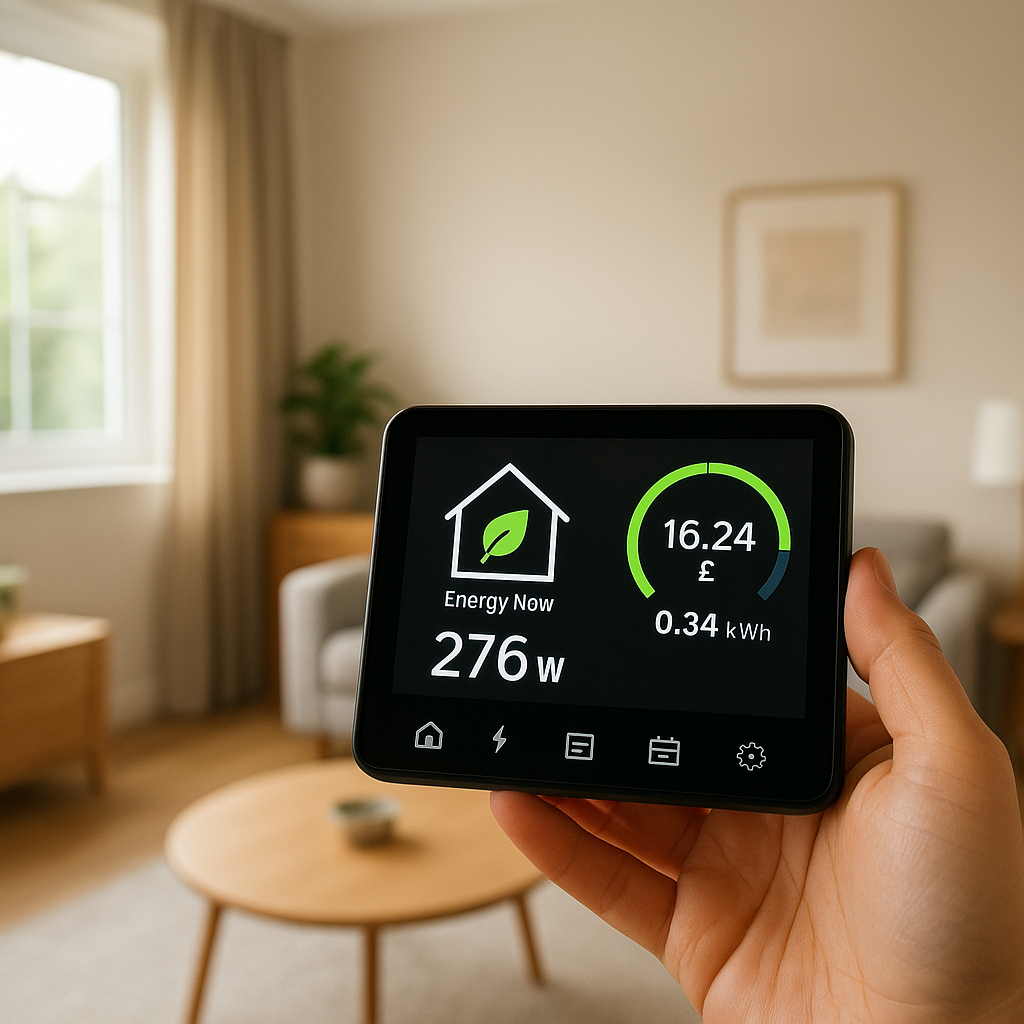
- Real-time monitoring: See energy usage for the whole home and, in many cases, each circuit. This helps you spot energy hogs, track HVAC and water heater usage, and verify that solar is offsetting what you expect.
- Remote control: From your phone, you can disable a circuit (for example, a garage outlet when you’re away) or cycle power to a misbehaving device without going to the basement.
- Automation: Create rules like “pause EV charging when the oven and dryer are running” or “shed non-critical loads when the utility hits a demand charge threshold.” During an outage, some systems automatically power only your critical circuits when running on a battery or generator.
The net result is more visibility, lower bills, and better use of expensive upgrades like solar and home batteries.
When you should upgrade: remodeling, adding EV charging, or solar
Full panel upgrades are most practical during bigger electrical projects, such as:
- Major remodels or service upgrades: If you’re already replacing an old 100A panel or adding capacity, a smart panel often adds only incremental cost compared to a new standard panel.
- Adding one or more EV chargers: Smart panels and load controllers can dynamically manage EV charging to avoid tripping the main breaker or triggering demand charges.
- Installing solar or batteries: Many smart panels integrate directly with inverters and storage systems so you can see where every watt is going and prioritize circuits during backup operation.
If you’re not ready for a full panel replacement, you can still add smart load controllers or circuit monitors to get many of the same benefits.
Smart Electrical Panels vs. Smart Load Controllers vs. Smart Plugs
Whole-panel monitoring and control explained
Whole-panel smart systems hook directly into your main panel or replace it entirely. They typically include:
- Current transformers (CTs) that measure the power on each leg or each circuit
- Smart breakers or relays that can be controlled by the app
- A gateway or hub that connects to your network
Systems like Span and Schneider Energy Center are designed for complete whole-home automation. They’re best if you want granular control of many circuits and tight integration with solar and storage.
Circuit-level load controllers for big appliances
Smart load controllers target specific high-draw appliances instead of the whole panel. Common examples include:
- HVAC load controllers that can throttle or temporarily pause air conditioning when other heavy loads are running
- Water heater controllers that heat water only during off-peak times or when solar production is high
- EV load management devices like NeoCharge or DryerBuddy that share a single circuit between an EV charger and another appliance
These devices are wired into individual circuits near the appliance or panel. They’re a good option when you want targeted control (e.g., AC, pool pump, water heater) without replacing your entire panel.
When smart plugs are enough—and when they’re not
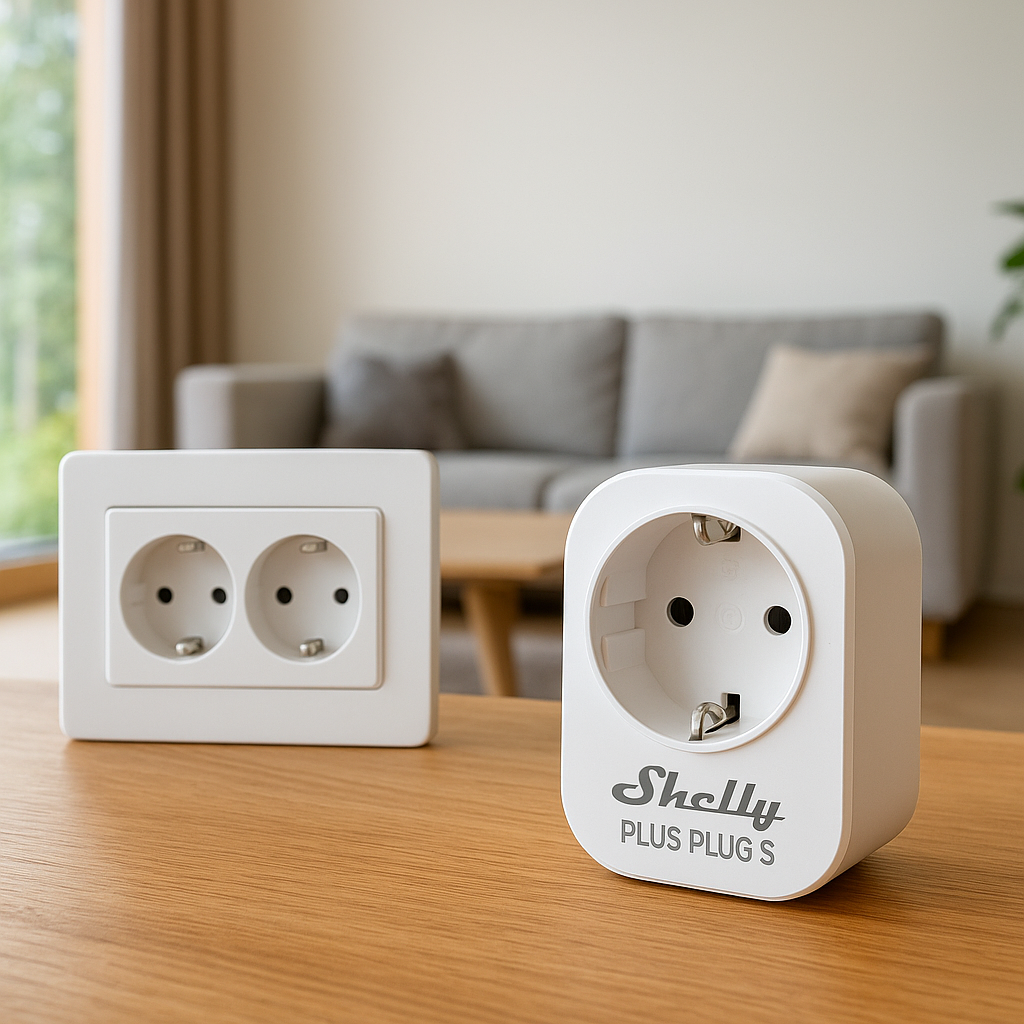
Smart plugs and smart switches are the lightest-weight option. They work well for:
- Lamps, TVs, media gear, and small appliances
- Turning off idle devices overnight to cut phantom loads
- Simple schedules and occupancy-based automations
However, smart plugs cannot control or safely manage big 240V loads like central AC, electric ranges, or Level 2 EV chargers. They also don’t give you a complete picture of your home’s energy usage.
Use smart plugs for fine-grained, plug-level control, and combine them with a smart panel or load controllers when you need to manage heavy circuits or whole-home behavior.
Key Features to Look For in the Best Smart Electrical Panels
Circuit-level monitoring accuracy and reporting depth
Accuracy matters if you’re making decisions based on the data. Look for:
- Per-circuit monitoring: The best systems show usage per breaker, not just whole-home totals.
- High sampling rate: Faster sampling improves the detection of appliance signatures and short peaks.
- Historical data: At least 12 months of history, with hourly or 15-minute resolution if you’re on a time-of-use plan.
Some systems also try to automatically identify appliances based on their energy signature (similar to dedicated monitors like Sense). Treat this as a bonus feature rather than a must-have, as accuracy can vary.
Remote control, scheduled loads, and automation rules
Beyond data, the best smart electrical panels let you act on what you see. Useful features include:
- Remote circuit control: Toggle specific breakers or controlled loads from your phone.
- Schedules: Run certain loads only at off-peak times (e.g., electric water heater at night).
- Rules and priorities: Automatically shed lower-priority loads when total usage crosses a threshold or during an outage.
Look for systems that let you group circuits into “essential” and “non-essential” for backup situations, and that support simple, readable rules rather than cryptic programming.
Compatibility with solar, batteries, and EV chargers
If you have or plan to add solar, storage, or EV charging, check compatibility carefully. Good smart panels can:
- Show production vs. consumption and net export to the grid
- Coordinate with home batteries to stretch backup runtime by shedding non-critical loads
- Throttle or schedule EV chargers to avoid overloading the main service
Some manufacturers provide direct integrations with specific inverter brands or EV chargers. This can improve reliability compared to cloud-only or “hacky” integrations.
Smart home integrations: Alexa, Google Home, HomeKit, and others
For a smoother experience, you may want panel features exposed in your existing smart home ecosystem. Common integration points include:
- Voice control: “Turn off garage outlet circuit” using Alexa or Google Assistant.
- Automation triggers: Use energy use or solar production as triggers in Home Assistant or IFTTT (e.g., start the dishwasher only when solar is above 3 kW).
- Dashboards: Pull live energy data into Home Assistant or other dashboards.
Home Assistant, in particular, has strong community support for various panels and monitors. You can browse their integration list at Home Assistant integrations directory to see what’s already supported.
Safety certifications, surge protection, and load-shedding logic
Because these devices sit at the heart of your electrical system, safety is non-negotiable. Check for:
- UL/ETL listing and compliance with relevant standards
- Integrated surge protection or compatibility with Type 2 surge protection devices
- Safe default behavior: If Wi‑Fi goes down or the app fails, the panel should fall back to a safe state, not leave circuits stuck off or on.
Advanced load-shedding logic is especially useful for homes with limited service or frequent outages. The system should gracefully reduce loads rather than letting you trip the main breaker.
App usability, notifications, and data export
A powerful system is only helpful if the app makes sense. Look for:
- Clear circuit naming and layout that matches your panel labels
- Useful alerts: High-usage alerts, device left on, or unusual patterns
- Data export: CSV or API access if you’re a data geek or want to share data with an energy consultant
Check screenshots and reviews in app stores; clunky apps can make even good hardware frustrating to live with.
Best Smart Electrical Panels for Whole-Home Energy Automation
Best overall smart electrical panel for most homes
For many homeowners planning a big upgrade, a full-featured smart panel like Span Panel or Schneider Electric Square D Energy Center hits the sweet spot. These systems offer:
- Per-circuit monitoring and control
- Strong solar and battery integration
- Good apps with clear visuals and basic automation rules
They’re best suited for homes doing a service upgrade or major electrical work where panel replacement is already on the table.
Best panel for homes with solar and battery storage
If you’re investing in solar plus battery backup (e.g., a Tesla Powerwall or similar), prioritize panels that integrate tightly with your storage system. Smart panels that can:
- Automatically switch to backup mode
- Prioritize critical circuits
- Show real-time battery state of charge and estimated runtime
make outage management much smoother. Many installers will recommend a pairing they know works well with the inverters and batteries they install most often, which is worth considering.
Best panel for heavy EV charging and demand response programs
Homes with multiple EVs or a single large Level 2 charger benefit from panels that support:
- Dynamic load management: Automatically adjust EV charging speed based on whole-home usage.
- Utility demand response: Let your utility briefly reduce load during peak events in exchange for bill credits.
- Time-of-use scheduling: Charge primarily in off-peak windows.
Some utilities publish compatible equipment lists for their demand response programs, so check those before you choose a panel or EVSE.
Best budget-friendly smart panel upgrade option
If replacing the entire panel is too costly, consider:
- Smart breaker ecosystems from brands like Leviton or Eaton that let you add monitoring and control to specific breakers.
- Clip-on circuit monitors (like Emporia Vue or similar) that sit inside your existing panel and provide detailed usage data without control.
This hybrid approach gives you most of the monitoring benefits and selective control at a fraction of the price of a full smart panel.
Best Smart Load Controllers and Circuit-Level Solutions
Top smart load controllers for HVAC and water heaters
Dedicated load controllers for HVAC and water heaters can cut peak demand without touching the main panel. Look for products that:
- Support your HVAC type (single-stage, multi-stage, heat pump, etc.)
- Integrate with your thermostat or utility programs
- Allow scheduling based on time-of-use rates or solar production
These devices often pay for themselves quickly in homes with electric resistance water heaters or large central air systems.
Dedicated EV charger load controllers for limited service panels
If your home has a 100A panel and you’re adding an EV charger, a load controller can make the difference between “no upgrade needed” and “expensive service upgrade.” Options include:
- EV-specific load management devices that share an existing 240V circuit with another appliance, pausing one when the other is active.
- Smart EVSEs that can limit current based on readings from a whole-home energy monitor or smart panel.
These solutions help you stay within the panel’s limits while still enjoying Level 2 charging.
Modular add-on circuit monitors for existing panels
Modular circuit monitors clip onto individual breakers or wires inside your existing panel. They’re ideal if you want per-circuit data but are not ready to replace the panel. Typical capabilities include:
- Real-time and historical energy use per circuit
- Basic alerts for unusual loads
- Integration with smart home platforms for automations
Paired with smart plugs and a few dedicated load controllers, these monitors can approximate much of what a full smart panel does.
Compatibility: Electrical Service, Solar, EVs, and Smart Home Platforms
Matching smart panels to 100A, 150A, and 200A+ services
Before choosing a smart panel, confirm your current service size and whether you need an upgrade. A licensed electrician can check:
- Existing main breaker rating
- Available physical space for a larger panel or subpanel
- Capacity for future loads like a second EV or heat pump
Some smart panels are designed primarily for 200A services; others can work as subpanels or in tandem with an existing main. Make sure the product explicitly supports your service size.
Integrating with solar inverters and home batteries
Solar and battery systems bring their own hardware—such as inverters, combiner boxes, and gateways—that must play nicely with your panel. To avoid headaches, verify:
- Whether the smart panel needs to be the main service panel or a subpanel
- Supported interconnection methods (supply-side vs. load-side taps)
- Approved pairings with your inverter brand
For a deeper understanding of how residential distribution boards connect to solar and other circuits, the article on distribution boards is a helpful technical reference.
Coordinating EV charging with home energy usage
Smart panels and load controllers can significantly improve how EV charging fits into your daily energy use by:
- Reducing charging speed when other heavy loads are active
- Shifting most charging to low-cost hours while still ensuring the car is ready by a set time
- Adjusting behavior based on solar production (charge harder at midday, taper off at night)
Discuss your EV plans with your electrician so they can size circuits and recommend hardware that supports this kind of coordination.
Working with Alexa, Google Home, Home Assistant, and IFTTT
Most smart panels expose at least some controls via cloud-based APIs, making it easier to connect them with:
- Alexa/Google Home: Simple voice commands for checking usage or turning circuits on/off.
- Home Assistant: More advanced automations that react to real-time power data and other sensors.
- IFTTT: Simple cross-service automations like pausing EV charging when your utility posts a peak alert.
If local control (no cloud dependency) matters to you, prioritize systems that offer local APIs or native Home Assistant integrations.
Safety, Code Compliance, and Professional Installation
NEC considerations, permits, and inspections
Any work involving your main service panel is tightly regulated. Installations must comply with the National Electrical Code (NEC) and local amendments. That typically means:
- Pulling the proper electrical permits
- Following requirements for wire sizes, breaker ratings, and working clearances
- Passing an inspection after the work is complete
You can read more about the NEC itself via the NFPA’s page on NFPA 70 (National Electrical Code). Your local electrician will know how these rules are applied in your area.
When you must hire a licensed electrician
Smart panel installation is not a DIY project. You should hire a licensed electrician when:
- Replacing or relocating a main panel or meter base
- Upgrading service size (e.g., from 100A to 200A)
- Adding new 240V circuits for EVs, heat pumps, or ranges
Even some add-on load controllers and circuit monitors require work inside the main panel, which is best left to professionals due to shock and fire risks.
Backup power, load shedding, and avoiding overloads
One of the biggest advantages of smart panels is how they manage loads during outages or when your system is near capacity. Well-configured systems can:
- Automatically power only essential circuits when on battery or generator
- Rotate non-critical loads (like water heating) to stay under a demand limit
- Prevent you from accidentally overloading a limited generator or small battery
During setup, work with your electrician to label circuits clearly and define which are critical, nice-to-have, and non-essential.
Real-World Use Cases for Smart Electrical Panels
Automating loads to stay under utility demand charges
Some utilities charge extra when your home’s demand spikes above a certain kW threshold in a billing period. Smart panels can help you:
- Track your current demand in real time
- Automatically reduce or pause certain loads as you approach your limit
- Schedule heavy tasks (laundry, EV charging, water heating) to avoid stacking them
Over a year, this can significantly cut demand fees without much lifestyle change.
Prioritizing critical circuits during outages
During storms or grid issues, smart panels paired with batteries or generators shine. You can predefine:
- Must-have circuits: fridge, internet, a few outlets, essential lighting, maybe a small mini-split
- Optional loads: kitchen outlets, additional lighting, non-essential rooms
- Non-essential loads: EV charging, pool pump, electric dryer, etc.
When an outage hits, the system automatically keeps essentials powered and either disables or cycles the rest to maximize runtime.
Reducing standby and phantom loads automatically
Many homes have dozens of watts of standby draw at all times—from chargers, entertainment gear, and devices that are rarely used. With smart panels, smart plugs, and circuit monitors, you can:
- Identify always-on circuits and devices
- Set schedules to cut power to non-critical outlets overnight or while away
- Measure the actual savings to ensure the effort is worthwhile
Over time, these small reductions add up, especially at higher electricity rates.
Tracking appliance health through energy signatures
Changes in energy usage patterns can hint at problems. Examples include:
- A fridge or freezer that starts running much longer than usual
- An HVAC system whose startup draw increases, possibly indicating failing components
- A well pump that cycles more frequently, suggesting a leak
Some smart monitoring systems can alert you to these changes so you can service equipment before it fails completely.
Installation Overview: What Homeowners Should Expect
Panel replacement vs. add-on smart modules
You’ll generally choose between:
- Full panel replacement: Best if your existing panel is old, undersized, or you’re doing major upgrades. Offers the cleanest integration and the widest feature set, but at higher cost.
- Add-on modules and monitors: Attach to your existing panel, providing monitoring and sometimes control for selected circuits. Less invasive and often cheaper, but with more wiring complexity and fewer features.
Your electrician can explain what’s feasible with your current panel, brand, and service size.
Typical installation timelines and power downtime
For a full panel replacement, you can expect:
- Site visit and quote: 1–2 hours, scheduled ahead
- Permitting and utility coordination: from a few days to a few weeks, depending on your area
- On-site work: typically one workday
- Power downtime: commonly 4–8 hours while the panel is swapped and inspected
Add-on monitors or load controllers might only require 1–3 hours of on-site work with shorter interruptions.
Approximate hardware and labor cost ranges
Costs vary widely by region, service size, and complexity, but rough ballparks:
- Full smart panel + installation: Often in the low-to-mid four figures, especially if combined with a service upgrade.
- Smart load controllers and circuit monitors: Hundreds to around a thousand dollars installed, depending on how many circuits and loads you address.
- Smart plugs and switches: Tens of dollars per device, suitable as incremental upgrades over time.
Ask for a detailed quote that breaks out hardware, labor, permits, and potential panel or service upgrades.
Pros, Cons, and Limitations of Smart Electrical Panels
Major advantages over traditional energy monitoring
Compared to simple whole-home monitors or utility portals, smart panels offer:
- Granular control: Not just seeing which circuits use power, but controlling them.
- Integrated backup management: Better coordination during outages.
- Deeper automations: Use energy data as a core part of your smart home logic.
They turn energy from a passive bill into something you can actively manage.
Common drawbacks: cost, complexity, and vendor lock-in
There are trade-offs to consider:
- Upfront cost: Hardware and installation are not cheap, especially for full panel replacements.
- Complexity: More components and software mean more potential points of failure.
- Vendor lock-in: Ecosystems are often closed, making it harder to mix-and-match panels, breakers, and software.
Make sure the added control and visibility justify the cost based on your energy usage and long-term plans.
How to plan for future upgrades and expansions
When selecting equipment, think 5–10 years out:
- Will you add more EVs, electrify heating, or install an induction range?
- Is there room in the panel and service size for future circuits?
- Does the vendor roadmap seem active, with ongoing software updates?
Choosing a slightly larger service size or more capable smart panel now can be cheaper than doing another major upgrade later.
How to Choose the Right Smart Panel or Load Controller for Your Home
Assessing your current panel capacity and future needs
Start with a quick inventory:
- Panel size (amps) and age
- Number and type of large loads (HVAC, electric dryer, water heater, EVs)
- Planned projects in the next 5–10 years
This gives your electrician a clear picture and helps you avoid undersizing the system. Photos of your existing panel and main breaker are very helpful at this stage.
Deciding between full panel replacement and partial upgrades
Use these rough guidelines:
- Choose full replacement if your panel is old, too small, or requires work anyway for EVs or solar.
- Choose partial upgrades if the panel is relatively new and you mainly want better monitoring and control over a few key loads.
You can always start with circuit monitors and targeted load controllers, then move to a full smart panel later when you’re already planning major electrical work.
Questions to ask your electrician and vendors before purchasing
Before you sign a contract, ask:
- Is my current service size sufficient for my plans?
- Which smart panel or controller brands do you install most often, and why?
- How will this system integrate with my planned or existing solar, batteries, and EV chargers?
- What happens if the internet goes down—what still works?
- How long is the warranty, and who handles support if something fails?
Clear answers here will help you avoid surprises and ensure the system fits your real-world needs.
Alternatives and Complementary Devices for Energy Automation
Using smart thermostats, plugs, and switches alongside smart panels
Even the best smart panel works better when combined with device-level controls. Useful companions include:
- Smart thermostats that optimize heating and cooling schedules and can respond to utility price signals
- Smart plugs for entertainment centers, office gear, and non-critical electronics
- Smart switches for lighting circuits that are frequently left on
In many homes, the biggest savings come from combining whole-home insight with targeted automation at the device level.
Role of smart sensors and sub-meters in fine-tuning control
Additional sensors and sub-meters can help you refine your automations over time, such as:
- Room occupancy sensors that let you cut power to outlets or lighting when no one is present
- Temperature and humidity sensors tied into HVAC and dehumidifiers
- Sub-meters on detached garages, workshops, or rental units
These pieces layer on top of the smart panel, giving you more context to decide when to run or pause different loads.
Conclusion: Is a Smart Electrical Panel Worth It for Your Home?
Who benefits the most from whole-home energy automation
A smart electrical panel or set of load controllers makes the most sense if you:
- Have or plan to add solar, batteries, or multiple EVs
- Face high electricity rates, time-of-use pricing, or demand charges
- Want better visibility and control over how your home uses power
For smaller homes with modest loads, a mix of smart plugs, a whole-home monitor, and a few dedicated controllers may deliver most of the benefit at lower cost.
Steps to get started with planning your upgrade
To move forward confidently:
- Document your existing panel (photos, breaker list, and service size)
- List planned upgrades (EVs, heat pumps, solar, batteries)
- Consult at least one licensed electrician experienced with smart panels
- Compare a full panel upgrade to modular options, including future expansion potential
With the right planning, smart electrical panels and load controllers can become a powerful backbone for your whole-home energy automation, supporting comfort, resilience, and lower long-term costs.
FAQ
Do I need a smart electrical panel to use solar or an EV charger?
No. Solar and EV chargers can work with a standard panel, as long as the panel and service have enough capacity. A smart panel simply makes it easier to manage usage, avoid overloads, and get better data about how those systems affect your home’s energy.
Can I install a smart panel or load controller myself?
Work on your main service panel or 240V circuits should be done by a licensed electrician. Some smart plugs and low-voltage accessories are DIY-friendly, but anything that requires opening the main panel or working with high-voltage wiring is not recommended for homeowners.
Will a smart electrical panel lower my bill automatically?
The hardware itself doesn’t guarantee savings. It gives you the tools—insight, control, and automation—to reduce usage, avoid peaks, and shift loads to cheaper times. Your actual savings depend on how you configure and use those tools.
What happens if the internet or my Wi‑Fi goes down?
Most smart panels continue to function as normal electrical panels even if they lose connectivity. You’ll temporarily lose remote access, automations, and live data until the connection is restored, but basic power distribution and breaker protection remain.
Can I move my smart panel to a new house?
In theory, yes, but it’s rarely practical. Removing and reinstalling a main panel is a major electrical project. It’s usually better to leave the panel as a value-add for the next owner and install a new system tailored to your next home.