
Smart range hoods are finally catching up with the rest of the smart kitchen. Instead of a noisy on/off switch you forget to use, newer vent hoods add Wi‑Fi, app control, and voice assistants so your kitchen air stays cleaner with less effort.
This guide walks through what to look for in the best smart range hood, how to match CFM and noise levels to your cooktop, and how app and voice control actually work day to day. You’ll also find practical buying advice, installation tips, and how to keep a smart hood running smoothly for years.
Whether you cook every night or just want a cleaner, more modern kitchen, you’ll be able to pick a smart vent hood that fits your layout, budget, and smart home setup.
Why Choose a Smart Range Hood for Your Modern Kitchen?
How smart range hoods improve air quality and comfort
A good range hood does more than pull away steam. It captures smoke, grease, and combustion byproducts before they spread through your home. Smart models make this process more consistent and effective by using sensors, multiple speed settings, and automation.
Compared with basic hoods, smart vent hoods can:
- Run at lower speeds more often, quietly maintaining cleaner air instead of waiting until the room is smoky.
- Adjust fan speed automatically based on heat or humidity sensors near the cooktop.
- Remind you to clean or replace filters so suction power doesn’t drop over time.
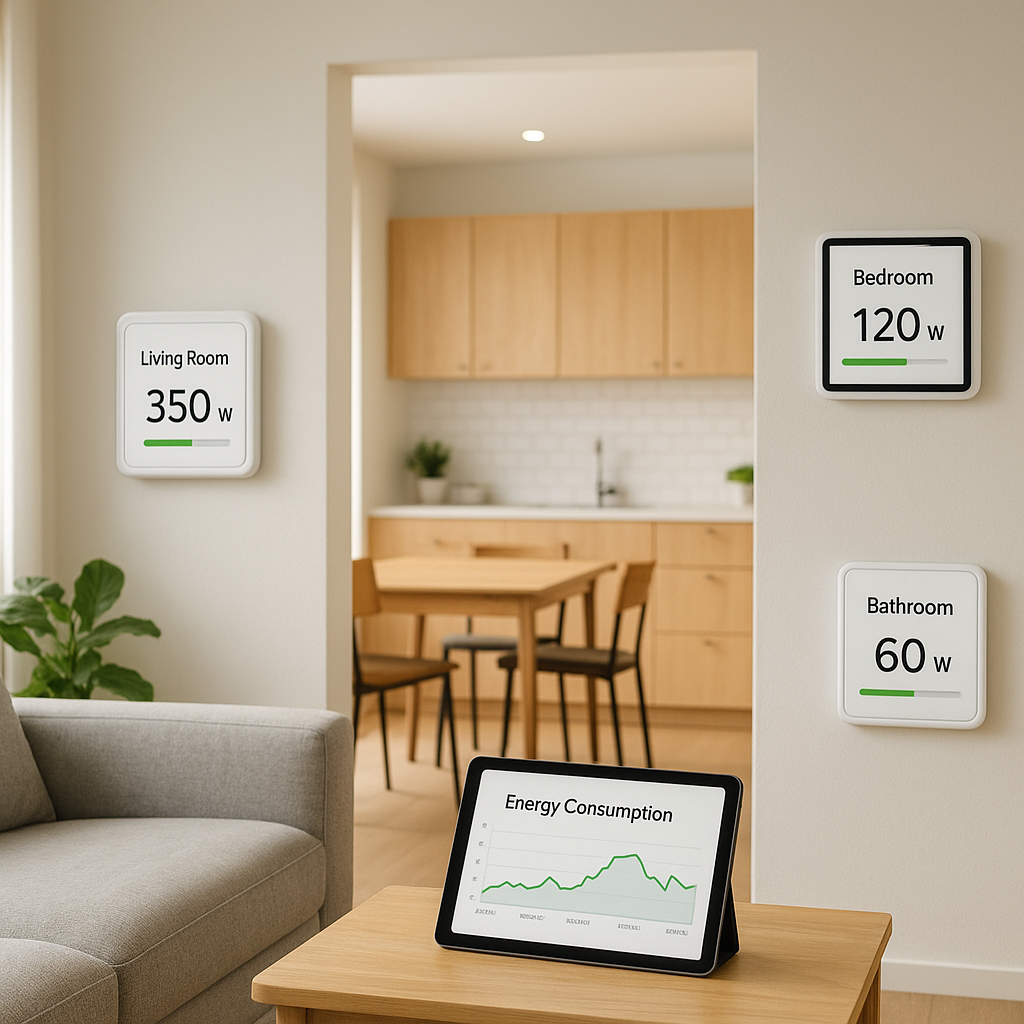
- Log usage patterns so you see how often you really need higher-speed ventilation.
All of this adds up to a more comfortable kitchen: less lingering odor, fewer greasy surfaces, and better air quality, especially in open-plan homes where cooking smells travel quickly.
The convenience of app and voice control over traditional hoods
Traditional hoods ask you to remember: turn the fan on, pick the right speed, leave it on after cooking, then go back and shut it off. Smart hoods make all of that simpler.
- App control: Start the fan from your phone, adjust speeds, or turn on the lights without reaching over a hot cooktop.
- Voice control: Use Alexa, Google Assistant, or Siri to say things like “Turn on the range hood” when your hands are messy.
- Schedules and timers: Have the hood run at a low speed during heavy cooking times or stay on 10–15 minutes after you stop cooking, then shut off automatically.
- Remote status: Check if the hood is still on after you’ve left the kitchen, which also helps avoid wasting energy.
This kind of control is especially helpful if your hood’s buttons are hard to reach, such as on a deep cooktop island or above a tall professional range.
When upgrading to a smart vent hood actually makes sense
Upgrading to a smart hood is most worthwhile if:
- You cook frequently, especially with high-heat methods like searing, frying, or wok cooking.
- Your home has an open layout where cooking odors spread into living areas.
- You already use smart assistants or smart home routines and want your hood to be part of those automations.
- You’re remodeling and replacing cabinets or appliances anyway, making installation easier.
If you rarely cook or have strict ducting limitations, a basic but quiet, well-sized hood might be enough. But for most modern kitchens, adding app and voice control improves both daily comfort and long-term air quality.
Key Features to Look for in the Best Smart Range Hood
App features that matter: speed control, timers, and alerts
Smart hood apps vary a lot. Focus less on flashy graphics and more on core controls that you’ll use regularly:
- Fine-grained speed control: Being able to choose from multiple fan levels (not just low/high) helps balance noise and performance.
- Run-on timers: A 10–30 minute post-cook timer clears lingering fumes after you turn off the burner.
- Filter alerts: Automatic notifications when grease or charcoal filters need cleaning or replacement.
- Usage history: Logs of how often and how long you run the fan, which can hint if you need more CFM or better cooking habits.
- Remote on/off and lighting: Turning on lights separately from the fan is surprisingly useful.
Some premium models (for example, high-end GE Profile or Bosch Home Connect hoods) also support pairing with compatible ranges so the hood automatically turns on when you start cooking.
Voice control compatibility (Alexa, Google Assistant, Siri/HomeKit)
Most smart hoods support at least Amazon Alexa or Google Assistant. A few premium models integrate with Apple HomeKit, often via a hub or manufacturer app.
- Alexa: Look for skills that let you turn the hood on/off, adjust fan speed, and control lights.
- Google Assistant: Similar controls via voice or the Google Home app, ideal if you already use Nest devices.
- Siri/HomeKit: Less common but useful for Apple-centric homes, allowing scenes like “Cooking Mode” to trigger the hood and lights together.
Match the hood’s compatibility with the platform you already use, so you don’t end up juggling multiple ecosystems.
CFM and noise levels: matching suction power to your cooktop
CFM (cubic feet per minute) measures how much air the hood can move. Bigger isn’t always better; you want the right match for your range and ducting.
- Electric/induction cooktops: Typically 250–400 CFM is adequate for light to moderate cooking.
- Gas ranges: Often need 400–600+ CFM, especially for high-BTU burners or heavy frying.
- High-output or pro-style ranges: 600–900+ CFM may be needed, often with larger ducts and professional installation.
Noise is usually given in sones or decibels. For daily comfort, look for:
- 1–3 sones (or roughly 40–55 dB) on low speeds for quiet background ventilation.
- Acceptable but louder operation at max speed; you shouldn’t need the highest setting all the time.
Smart hoods help by letting you live at lower speeds most of the time and ramp up only when needed.
Filters, maintenance reminders, and grease management
Filtration quality directly affects long-term performance and how clean your kitchen stays.
- Aluminum mesh filters: Common, lightweight, and usually dishwasher-safe.
- Baffle filters: Heavier, more durable metal filters often found in higher-end hoods; they handle heavy grease well.
- Charcoal filters: Used in ductless or recirculating setups to reduce odors; they must be replaced periodically.
Choose smart hoods that:
- Track runtime and send app reminders when filters need attention.
- Allow easy access from below, without disassembling half the hood.
- Offer replacement filters that are easy to find from the manufacturer or common retailers.
Lighting quality, color temperature, and dimming options
Built-in LED lighting is more than cosmetic. It affects how well you see what you’re cooking and how the kitchen looks in the evening.
- Brightness: Look for bright, even coverage across the cooking surface.
- Color temperature: 2700–3000K is warm and cozy; 3500–4000K is a balanced, neutral white that shows food color accurately.
- Dimming: App or touch controls for multiple brightness levels are very handy at night.
Some smart hoods also link their lights to smart home scenes so you can, for example, dim them with the rest of your kitchen lights during dinner.
Connectivity, smart home integration, and firmware updates
Because smart hoods rely on Wi‑Fi or Bluetooth, solid connectivity is critical.
- 2.4 GHz Wi‑Fi support: Most hoods use 2.4 GHz; ensure your router signal is strong near the kitchen.
- Local vs cloud control: Some brands can still operate basic controls on your local network if the internet goes down.
- Firmware updates: Check whether the app supports over-the-air updates for bug fixes and new features.
- Integration: SmartThings, Home Assistant, or IFTTT support can make it easier to build advanced automations.
Best Smart Range Hoods for Most Kitchens (Top Picks Overview)
Best overall smart range hood for most homes
For most households, a 30-inch wall-mount or under-cabinet hood in the 350–500 CFM range with Wi‑Fi, app control, and popular voice assistants will hit the sweet spot. Many GE Profile and Samsung Wi‑Fi hoods land here, offering:
- Solid suction for standard gas or electric ranges.
- Quiet operation on low and medium speeds.
- Integration with Alexa/Google and, sometimes, SmartThings-style automations.
- Easy-to-remove, dishwasher-safe filters.
This type of hood suits most apartments, townhomes, and single-family kitchens that cook regularly but not restaurant-style every night.
Best budget smart vent hood with Wi‑Fi and voice control
Budget smart hoods often trade brand prestige and ultra-quiet performance for affordability while still offering key features:
- Basic Wi‑Fi control via the manufacturer’s app.
- Simple voice commands like on/off and light control.
- 300–400 CFM, suitable for standard electric cooktops and light gas cooking.
These are ideal for smaller kitchens, condos, or rental upgrades where you want smarter control but don’t need premium stainless finishes or pro-level power.
Best premium smart range hood for serious home cooks
Serious home cooks and high-BTU gas range owners should look at premium brands such as Bosch, Miele, or high-end lines from Broan-NuTone. These hoods typically provide:
- 600–900+ CFM with multi-speed or variable-speed motors.
- High-quality baffle filters and robust grease management.
- Deeper capture areas for better smoke control.
- Advanced smart features like auto-on when connected to a compatible cooktop.
They cost more and may require professional installation, but performance and long-term durability are noticeably better.
Best under-cabinet smart hood for compact kitchens
Under-cabinet hoods work well for small or galley kitchens where space is tight. The best smart under-cabinet options focus on:
- Low profile designs that leave cabinet space intact.
- Quiet operation at lower speeds for apartments or condos.
- Good LED lighting to compensate for smaller windows or darker layouts.
- Flexible ducting (rear or top) for easier retrofits.
Look for models labeled 30-inch with 250–400 CFM and Wi‑Fi support so you still get app and voice control without over-ventilating a small space.
Best wall-mount and island smart hoods for open layouts
In open-concept homes, a wall-mount chimney hood or island hood often becomes a visual focal point. Smart versions add:
- Higher CFM to compensate for air moving freely around the cooktop.
- Wider capture areas (36 inches or more) for large ranges or islands.
- Modern glass-and-steel designs that coordinate with other appliances.
- Powerful, dimmable lighting that helps define the cooking zone.
If you frequently entertain or cook while socializing, investing in a quiet, strong island or wall-mount smart hood makes a big difference in comfort and style.
In‑Depth Reviews: Top Smart Range Hoods Compared
Design, build quality, and installation flexibility
Design affects both looks and function. Higher-end hoods tend to use thicker stainless steel, better welding, and less vibration, leading to quieter operation. Check for:
- Seamless or minimal seams for easier cleaning.
- Rounded corners and smooth undersides so grease has fewer places to accumulate.
- Adjustable chimneys for different ceiling heights, especially for wall-mount and island hoods.
- Convertible designs that can be used ducted or ductless with the appropriate kit.
Some smart hoods also offer low-profile designs that better fit under existing cabinets, making upgrades easier without major carpentry work.
Smart features and app experience (screens, automations, modes)
Beyond basic app control, advanced smart features can include:
- Auto-sensing modes: Fan speeds that respond to heat or steam near the cooktop.
- Cooking modes: Presets for frying, simmering, or grilling, each with tailored fan behavior.
- On-device touchscreens: Some premium models add small displays for status, timers, or filter alerts.
- Scenes and routines: Integration with SmartThings, Alexa Routines, or Google Home automations.
Pay attention to app reviews in your app store. A powerful hood with a clumsy or unstable app can be frustrating.
Venting options: ducted vs ductless and recirculating kits
How you move air out of your kitchen matters as much as the hood’s power. The Range hood article on Wikipedia gives a solid overview of how different venting methods work.
- Ducted (vented) hoods: Exhaust air outside the home via ductwork; best for removing heat, moisture, and pollutants.
- Ductless (recirculating) hoods: Filter air through charcoal and return it to the kitchen; easier to install but less effective at removing heat and humidity.
- Convertible: Can operate in either mode with the right kit.
Whenever possible, choose ducted. If your home layout won’t allow it, pick a smart hood with strong recirculating performance and readily available charcoal filters, and plan on more frequent filter changes.
Performance tests: smoke capture, odor removal, and noise
On paper, many hoods look similar. In practice, differences in capture area, blower design, and ducting make a big impact. When comparing models, look for:
- Independent or user tests showing how well the hood captures steam from front burners.
- Reviews that mention how quickly cooking smells clear after searing or frying.
- Noise reports at both low and high speeds, especially if you cook while talking to others nearby.
A smart hood that quietly handles everyday cooking at low speed will feel more useful than a super-powerful model that’s too loud to use except occasionally.
Reliability, brand ecosystem, and warranty support
Because smart hoods combine motors, electronics, and Wi‑Fi modules, reliability matters. Consider:
- Brand track record: Established appliance brands may offer better long-term parts and service availability.
- Warranty length: Look for at least 1 year on parts and labor; some offer longer coverage on motors.
- Ecosystem fit: If you already own Samsung, GE, Bosch, or LG smart appliances, staying in the same family can simplify apps and integrations.
How to Choose the Right Smart Range Hood for Your Kitchen
Sizing your hood: width, height, and clearance for your cooktop
Correct sizing ensures smoke and steam actually get captured:
- Width: At least as wide as your cooktop; 3 inches wider on each side is ideal, especially for gas ranges.
- Mounting height: Typically 24–30 inches above an electric/induction cooktop and 27–36 inches above gas (check your manual).
- Clearances: Keep required distances from cabinets and combustibles for safety and code compliance.
Before buying, measure the space, including ceiling height, cabinet depth, and any obstacles like beams or soffits.
Matching CFM to gas vs electric ranges and your cooking style
Your cooking habits are as important as your fuel type.
- Light cooking (boiling, reheating, occasional sauté): 250–350 CFM is usually fine for electric or induction.
- Regular cooking (stir-fries, pan searing, frequent use): 350–500 CFM, more for gas.
- Heavy cooking (deep-frying, frequent wok use, indoor grilling): 600+ CFM, especially on gas or pro-style ranges.
If you go very high in CFM, make sure your home can provide adequate make-up air (fresh air replacing what’s exhausted) to avoid backdrafting or pressure issues.
Ducted vs ductless: pros, cons, and what your home can support
Before falling in love with a model, confirm what your home can handle:
- Ducted pros: Best removal of heat, moisture, and pollutants; less reliance on filters.
- Ducted cons: Higher installation cost; may require new duct runs or exterior wall/roof penetration.
- Ductless pros: Flexible placement; easier in condos or interior walls.
- Ductless cons: Weaker at moisture removal; recurring cost of charcoal filters.
If you’re remodeling, it’s often worth adding ductwork now rather than staying ductless long term.
Planning power, wiring, and Wi‑Fi coverage above the stove
Smart hoods typically require a standard hardwired connection or dedicated outlet plus a stable Wi‑Fi signal.
- Confirm voltage and amperage requirements match your circuit.
- Plan outlet placement so cords are hidden but still accessible for service.
- Test Wi‑Fi strength near the cooktop; you may need a mesh node or extender nearby.
Getting the infrastructure right during installation avoids flaky connections and future rewiring.
Choosing between standalone smart hoods vs full smart range bundles
Some brands offer smart ranges and hoods designed to work together. Benefits can include:
- Auto-on and speed adjustment based on burner use.
- Shared app control for oven, cooktop, and hood in one place.
- Coordinated design and finishes.
If you’re replacing multiple appliances, consider a matching bundle. If not, a standalone smart hood that integrates with your existing ecosystem (Alexa, Google Home, SmartThings) is usually sufficient.
Smart Controls: Using Apps, Voice Commands, and Automation
Setting up app control and remote monitoring
Setup usually follows this pattern:
- Install and power on the hood.
- Download the manufacturer’s app and create an account.
- Put the hood in pairing mode via a button or on-screen prompt.
- Connect it to your 2.4 GHz Wi‑Fi network.
- Run any initial firmware updates.
Once connected, you can test remote on/off, speed changes, and lighting to confirm everything works before building automations.
Popular voice commands for Alexa, Google Assistant, and Siri
Typical voice commands include:
- “Alexa, turn on the range hood.”
- “Hey Google, set the range hood to high.”
- “Hey Siri, turn on cooking lights.” (if lights are exposed to HomeKit)
- “Alexa, turn off the stove fan in 15 minutes.” (if your hood supports timers via voice)
Rename the hood in your voice app to something easy like “kitchen fan” so commands are natural for everyone in the house.
Automations with sensors: turning the hood on when you start cooking
For deeper automations, combine your smart hood with:
- Smart plugs or range monitors: Trigger the hood when a cooktop’s power draw increases (for electric) or when a smart stove turns on.
- Temperature or humidity sensors: Start the hood at low speed when humidity spikes near the cooktop.
- Motion sensors: Turn on lights when someone approaches the stove in a dark kitchen.
Smart platforms like SmartThings, Home Assistant, or Apple Home let you create these rules without any programming.
Integrating with smart lights, smart plugs, and cooking appliances
Smart hoods can fit neatly into wider kitchen scenes:
- “Cooking” scene: Turns on the hood, raises under-cabinet light brightness, and sets the thermostat to a slightly cooler temperature.
- “Dinner” scene: Keeps the fan on low, dims kitchen overheads, and turns on dining room lights.
- “All off” scene: Shuts off the hood, kitchen lights, and plugs for small appliances.
This makes the hood feel like part of a cohesive smart kitchen instead of an isolated appliance.
Installation Tips and Common Mistakes to Avoid
Measuring, mounting height, and clearances for safety
Before installation:
- Measure cabinet widths, depths, and the distance from cooktop to ceiling.
- Mark the recommended mounting height from the installation manual.
- Verify that once installed, you can still reach touch controls or see any display comfortably.
Ignoring clearances can lead to poor performance or safety issues, and may void warranties or violate local codes.
Dealing with existing ductwork and cabinet constraints
If you’re replacing an existing hood, check:
- Current duct diameter and direction (top vs rear vent).
- Whether the new hood supports the same size and orientation, or if transitions are needed.
- Cabinet cutouts, including any structural supports that might interfere with a larger hood.
Minor drywall work is common when switching from a small recirculating hood to a more powerful ducted model.
When you need a professional installer vs DIY
DIY can make sense if:
- You’re comfortable with basic electrical work and wall anchors.
- You’re reusing existing ductwork and mounting points.
Hire a professional if:
- You’re adding or moving duct runs through walls, ceilings, or roofs.
- You’re installing high-CFM hoods that may need make-up air solutions.
- You’re unsure about local code requirements.
Ensuring proper ventilation and make-up air considerations
Very powerful hoods can remove air faster than it’s replaced, which can cause doors to slam or even pull exhaust back down from gas water heaters or furnaces. The U.S. Department of Energy offers guidance on kitchen ventilation as part of its Energy Saver kitchen appliances resources.
For high-CFM installations, ask your installer or HVAC pro whether you need a make-up air system or additional vents to balance airflow safely.
Energy Efficiency, Noise, and Everyday Usability
Energy use of smart range hoods vs traditional models
Most of a hood’s energy use comes from the fan motor and lights. Smart features add a small amount of standby power for Wi‑Fi modules, but typically not enough to significantly impact your bill.
In practice, smart control can make hoods more efficient because you’re more likely to use appropriate speeds and shut them off when they’re no longer needed.
How auto modes, timers, and schedules can save power
Energy savings come from not over-ventilating:
- Auto modes that lower speed once smoke clears.
- Timers that stop the fan after a set period instead of it running for hours.
- Schedules that keep the hood off during times you rarely cook.
Even small savings each day add up over years of daily use.
Reducing noise while keeping strong ventilation
To keep noise down without sacrificing performance:
- Use lower speeds for simmering and medium for most sautéing; reserve high for heavy searing or frying.
- Ensure ducts are the recommended diameter and as straight/short as practical.
- Clean filters regularly; clogged filters force the fan to work harder and louder.
Smart hoods that offer more than three speed levels make it easier to find a comfortable balance.
Maintenance, Cleaning, and Long‑Term Care
Cleaning and replacing filters (mesh, baffle, and charcoal)
Plan a simple schedule:
- Mesh or baffle filters: Wash every 1–3 months, more often if you fry a lot. Most can go in the dishwasher on a gentle cycle.
- Charcoal filters: Replace every 3–12 months depending on usage and manufacturer guidance.
Always let filters dry fully before reinstalling to avoid drips into the fan housing.
Using app reminders for filter changes and deep cleaning
Smart hoods can track fan runtime and prompt you when it’s time to:
- Clean grease filters.
- Replace charcoal filters.
- Wipe down the hood’s exterior and control surfaces.
Take these notifications seriously—keeping filters clear is one of the easiest ways to maintain strong, quiet suction.
Keeping sensors, touch controls, and lights in good condition
To keep smart parts working:
- Use a soft, slightly damp cloth for touch panels; avoid harsh abrasives.
- Gently dust any visible sensors around the intake area.
- Replace LED modules only with recommended parts to avoid flicker or compatibility issues.
If the app stops responding, check for firmware updates or reboot the hood by cycling power at the breaker or plug.
Frequently Asked Questions About Smart Range Hoods
Are smart range hoods worth it compared to regular vent hoods?
They’re worth it if you cook regularly, have an open-plan home, or already use voice assistants and smart routines. App and voice control make you more likely to use the hood properly, which improves air quality. If you rarely cook and just want basic ventilation, a quiet, well-sized non-smart hood can still be fine.
What happens if Wi‑Fi goes down—can I still use the hood?
Yes. Smart hoods continue to work like normal hoods using their physical buttons or touch controls. You just lose remote control, voice commands, and app-based features until the connection is restored.
How long do smart range hoods typically last?
With proper maintenance, many hoods last 10–15 years or more. The motor and metal body often outlast the electronics, but reputable brands design their smart modules and controls for similar lifespans. Regular filter cleaning and avoiding excessive grease buildup help extend life.
Can I retrofit my existing hood to make it smart?
You can’t usually upgrade a basic hood into a full Wi‑Fi appliance, but you can add some smart features. For example, you can control the hood’s power via a smart switch (if the wiring and load allow it) or add automations that turn on nearby smart lights when you start cooking. For full app and voice features, though, a purpose-built smart hood is the better option.
Final Verdict: Which Smart Range Hood Is Best for Your Kitchen?
Summary of top picks for different budgets and layouts
For most homes, a 30-inch, 350–500 CFM smart hood from a major brand, with Wi‑Fi, app control, and Alexa/Google support, strikes the best balance of price, performance, and convenience. Budget shoppers can look for lower-CFM under-cabinet models, while serious cooks with gas or pro-style ranges should prioritize 600+ CFM premium hoods with strong ducted installation.
Quick decision guide based on cooking habits and home type
- Apartment or condo, light cooking: 250–350 CFM under-cabinet smart hood, possibly ductless.
- Suburban home, regular family cooking: 350–500 CFM wall-mount or under-cabinet smart hood, ducted if possible.
- Open-plan home, frequent high-heat cooking: 600+ CFM wall or island smart hood with deep capture area and good noise control.
Smart kitchen upgrades to consider after your range hood
Once your hood is smart and connected, it’s easier to build a cohesive smart kitchen. Consider:
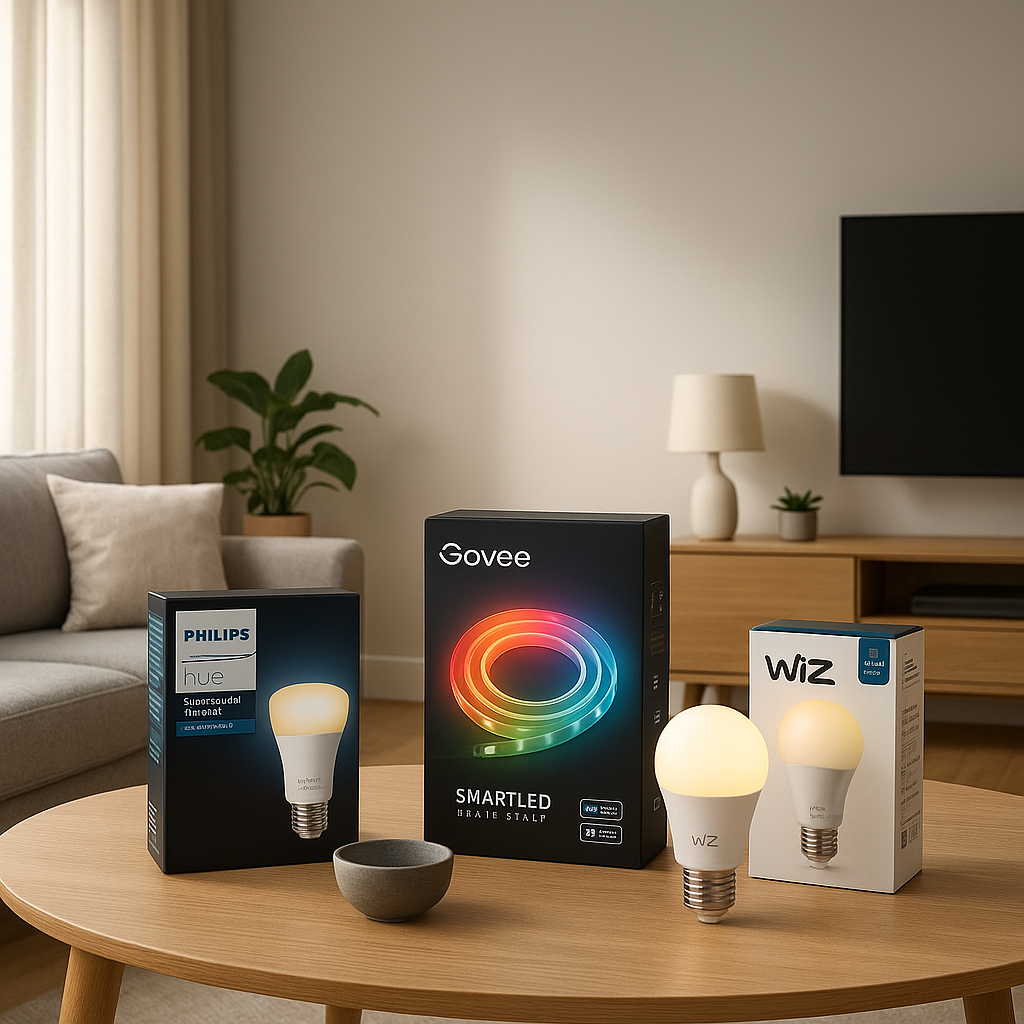
- Smart bulbs or under-cabinet lighting that sync with hood lights.
- A smart range or cooktop that can trigger the hood automatically.
- Temperature and air quality sensors that help tune your ventilation and HVAC.
Start with a hood that fits your space and cooking style, then expand your smart kitchen around it. The result is a cleaner, more comfortable kitchen that works with you instead of adding chores.