Smart pet cameras have moved far beyond basic baby monitors and simple security cams. Modern models can recognize pets, send bark alerts, toss treats, and even help you work on behavior issues while you’re away.
If you’re searching for the best smart pet camera, you’re probably juggling a few needs at once: keeping an eye on your home, making sure your dog or cat is safe, and getting real insight into how they act when you’re not there. This guide compares the most useful features, highlights specific camera picks, and shows you how to place and use them so they actually help your pets—not just your anxiety.
Why You Need a Smart Pet Camera (Beyond Regular Indoor Security Cameras)
Common pet parent problems a smart camera can solve
A dedicated pet camera is less about catching intruders and more about understanding what your animals are doing during the day. Common problems a smart pet camera can help with include:
- Separation anxiety: See if your dog paces, whines, or howls after you leave, and how long it lasts.
- Destructive behavior: Find out what actually happens before the chewed shoes, scratched doors, or knocked-over plants.
- Multi-pet conflicts: Identify which pet starts scuffles and whether it’s resource guarding, play, or true aggression.
- Health concerns: Spot changes in activity level, excessive grooming, coughing, or limping when no one’s home.
- Checking on sitters or walkers: Make sure hired help is arriving on time and handling your pets properly.
Because many pet cameras include sound alerts, you can be notified when your dog barks more than usual or if a strange noise might be stressing them out.
Smart pet cameras vs standard indoor security cameras
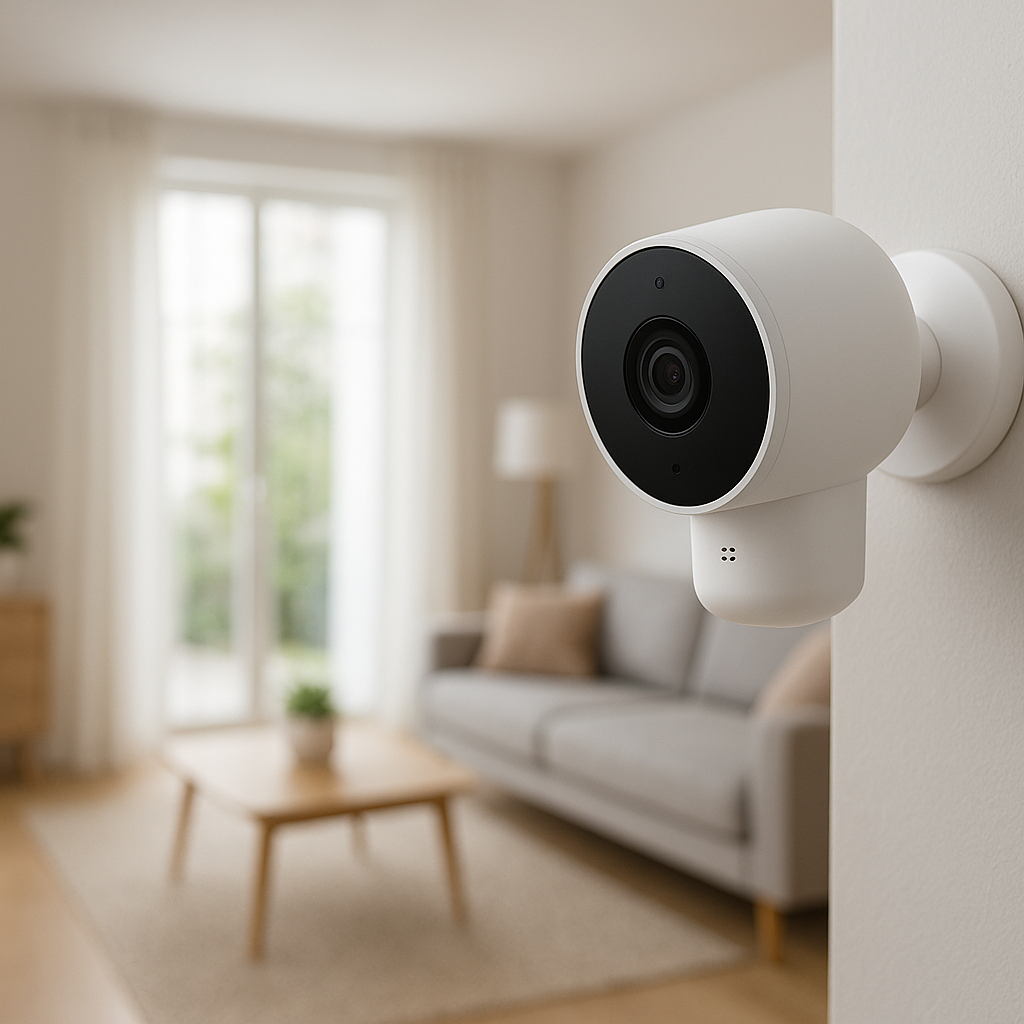
A standard indoor camera can show you live video of your dog or cat, but that’s about it. The best smart pet camera models add animal-specific features that reduce false alerts and give you more useful information:
- Pet detection: The camera knows the difference between pets, people, cars, and shadows, so you get fewer pointless notifications.
- Sound classification: Some cameras can tell a bark from generic noise and send you a specific bark alert.
- Interactive tools: Built-in treat dispensers, laser toys, and two-way audio turn the camera into a remote play and training tool.
- Pet-focused activity history: Timelines and clips labeled as “dog detected” or “cat detected” make it easier to review your day.
You can absolutely repurpose a good indoor security camera for pet monitoring, but if you care about behavior, interaction, and smart alerts, pet-centric models are usually worth it.
Key benefits: peace of mind, behavior insights, and safety
A smart pet camera improves daily life in three main ways:
- Peace of mind: Open your app, confirm your dog is napping on the couch, and go back to work without worrying.
- Behavior insights: Recordings help you figure out triggers: Does barking start when delivery trucks pass? Does your cat scratch the door just before meals?
- Safety: Motion, sound, and smoke alarm detection alerts can help you react quickly to emergencies while you’re away.
For many pet parents, just being able to see and talk to their pet during a stressful thunderstorm or fireworks display justifies the investment.
Key Features to Look For in the Best Smart Pet Camera
Accurate pet detection vs generic motion detection
Generic motion detection triggers whenever anything moves: curtains, light changes, or passing cars outside a window. Accurate pet detection uses AI to identify animals specifically. This matters because:
- You receive alerts only when your dog or cat is actually in frame.
- Recorded clips are tagged as “pet activity,” making review much faster.
- Some cameras can distinguish between different types of motion, such as pets vs humans.
Look for cameras that explicitly list pet detection or AI animal detection in their features, not just “advanced motion detection.”
Bark and meow alerts: when sound detection really matters
Sound detection is essential if you share walls with neighbors or have a noise-sensitive building. Bark (and sometimes meow) alerts can:
- Warn you when your dog is barking long enough to bother neighbors.
- Help you link barking episodes to triggers like mail deliveries or outside voices.
- Flag unusual vocalization in cats, which can indicate pain or stress.
Some cameras let you adjust sound sensitivity so you aren’t pinged by every clink of a food bowl. For apartment dwellers with a vocal dog, advanced bark classification is worth prioritizing.
Two-way audio and video: calming anxious pets remotely
Two-way talk turns the camera into a remote intercom. You can see your pet, tap a button, and speak to them through the camera. This helps you:
- Interrupt undesirable behavior (e.g., getting into the trash) in the moment.
- Reassure nervous pets with a familiar voice.
- Coordinate with pet sitters or kids at home.
Check reviews for speaker and microphone quality. Echoey or quiet audio can confuse pets rather than comfort them. Also make sure there’s minimal delay between live video and your voice.
Treat tossing and interactive play features
Treat-tossing cameras and built-in toys can be extremely engaging for dogs and some cats. They allow you to:
- Reward calm behavior when your dog settles on their bed.
- Use treats during remote training sessions.
- Provide mental stimulation when you’re away for longer stretches.
Look at how the treat dispenser works: the size of treats it supports, how loud the mechanism is, and whether you can schedule automatic tosses. Laser pointers should offer safe power levels and controllable patterns, especially for cats prone to obsessive chasing.
Video quality, field of view, and pan/tilt options
For behavior and safety, clarity matters more than cinematic image quality. Aim for:
- Resolution: 1080p is usually enough; 2K helps in large rooms or for reading small details.
- Field of view (FOV): At least 110° for small rooms; 130–160° for open-plan spaces.
- Pan/tilt: Motorized movement helps track pets that roam between areas.
A fixed camera with a very wide FOV is great for small apartments. In larger homes or rooms with multiple zones (sofa, crate, cat tree), a pan/tilt model makes it easier to check each area.
Night vision and low-light performance for late shifts and travel
If you work nights or travel often, you’ll rely on night vision as much as daytime video. Look for:
- Infrared (IR) night vision: Clear black-and-white images with minimal grain.
- Low-light color modes: Some sensors maintain color in dim rooms, which can help with detail.
- Adjustable IR LEDs: Useful if you have reflective surfaces that create glare.
Check sample footage in reviews to see how well the camera handles real-world low-light conditions, not just perfectly staged product shots.
Cloud storage, local storage, and subscription costs
Recording options affect both your monthly budget and how you access clips:
- Cloud storage: Clips or continuous video stored online. Easier to access from anywhere, but usually requires a subscription.
- Local storage: microSD card or network video recorder (NVR) in your home. No monthly fee, but if the camera is stolen, recordings can be too.
- Hybrid: Some cameras offer basic free cloud clips plus local backup.
Compare subscription tiers carefully. Many pet-specific features—like detailed activity history or advanced AI detection—sit behind a paywall.
Privacy controls and data security
Because pet cameras often overlook living areas, privacy and security should be non-negotiable. Look for:
- Two-factor authentication on the account.
- End-to-end encryption or at least encrypted streams and storage.
- Physical privacy shutter or the ability to auto-turn off the camera when you’re home.
Major brands typically publish security documentation. For example, you can review how Nest protects video in its video encryption and storage support article to understand what to look for with similar products.
Best Overall Smart Pet Camera for Most Homes
Who this camera is best for (dogs, cats, multi-pet homes)
For most homes, a flexible pan/tilt camera with strong pet detection and good audio hits the sweet spot. A great example is the eufy Security Indoor Cam 2K Pan & Tilt. It’s well-suited for:
- Dogs that roam between rooms or crates.
- Cats that move between floor, sofa, and cat tree.
- Multi-pet homes where you need to track several animals in one space.
It offers high resolution, 360° pan, and animal detection without forcing you into high subscription fees.
Standout features: pet detection accuracy, bark alerts, app experience
This style of camera stands out because:
- AI pet detection: It reliably identifies pets vs people, cutting down on random motion alerts.
- Sound alerts: You can receive notifications for abnormal noises, including dog barking.
- Strong app experience: The eufy Security app is generally responsive, with easy timeline scrubbing and quick live view.
For someone upgrading from a generic budget cam, the biggest difference you’ll feel is fewer, more relevant notifications and better video clarity.
Pros, cons, and ideal room placement tips
Pros:
- Excellent image quality for the price.
- Pan/tilt covers large areas without needing multiple cameras.
- Works well for both dogs and cats.
Cons:
- No built-in treat dispenser or play features.
- Pan/tilt motors can be slightly audible in silent rooms.
Placement tips: Mount it on a shelf or wall about chest height, aimed at your pet’s main hangout spot (sofa, dog bed, or cat tree). Leave enough room in front for the pan mechanism to rotate without the lens being blocked by decor.
Best Smart Pet Camera for Dogs with Bark Alerts
How advanced bark detection works and when it triggers
For dogs, a camera that can distinguish barks from other noises is extremely valuable. Devices like the Furbo 360° Dog Camera use onboard sound analysis to recognize bark patterns and only send alerts when barking crosses a certain threshold or loudness.
Advanced systems look at:
- Volume and duration of the sound.
- Frequency ranges typical of barking.
- Context, like time of day or past activity.
You can usually tune how sensitive bark detection is so you’re notified only during intense or prolonged episodes.
Two-way talk quality and calming anxious or reactive dogs
With bark-prone dogs, audio quality is as important as the alert itself. A good dog-focused camera should provide:
- Loud, clear speaker output to cut through barking.
- Minimal lag so your voice lines up with what your dog is doing onscreen.
- Echo reduction to avoid confusing feedback.
Used well, you can pair bark alerts with a calm cue (“It’s okay, go to your bed”) and, on treat-tossing models, reward quiet seconds after barking stops. This can gradually reduce reactivity to doorbells or hallway noise.
Pros, cons, and which dog owners should choose this model
Pros:
- Very reliable bark alerts tailored to dogs.
- Often includes treat tossing, which pairs nicely with training.
- Dog-focused app flows that highlight barking events.
Cons:
- Usually more expensive than generic indoor cameras.
- Some features may need a subscription for full event history.
This type of camera is ideal if you have a vocal dog in an apartment, a dog with separation anxiety, or noise complaints from neighbors. If your dog is mostly quiet and you care more about general monitoring, the overall pick or a budget model may be enough.
Best Smart Pet Camera for Cats and Quiet Pets
Features that matter more for cats (wide view, movement tracking, toys)
Cats interact with space differently than dogs. They often move vertically, perch in windows, and nap in hidden corners. For cats and quiet pets, prioritize:
- Wide field of view: To cover cat trees, shelves, and windows in one shot.
- Pan/tilt with auto-tracking: So the camera can follow your cat as they move.
- Optional toys: Laser pointers or treat tossers can entice shy cats to appear on camera.
Cameras like the Petcube Play 2 offer integrated lasers and wide-angle lenses tailored for feline play.
Handling vertical spaces: cat trees, shelves, and window perches
To properly monitor a cat, you need to think in layers:
- Mount the camera higher—around head height or slightly above—and angle it downward.
- Aim toward the tallest structure in the room (cat tree, bookshelf, or wall-mounted steps).
- Check the app to make sure the window perch is within frame, especially if your cat spends hours watching birds.
Pan/tilt cameras can scan from litter box area to feeding station to cat tree, which is useful if you want to verify eating and bathroom habits remotely.
Pros, cons, and best placement for cat households
Pros:
- Wide-angle lenses reduce the need for multiple cameras.
- Interactive features can help keep indoor-only cats mentally stimulated.
- Quiet motors are less likely to spook sensitive cats.
Cons:
- Laser play should be moderated to avoid frustration.
- Some cats ignore treat tossers or find the sound startling at first.
Place the camera opposite your cat’s tallest structure, slightly above eye level, to capture most of their movement without frequent adjustments.
Best Budget Smart Pet Camera Under $100
Essential features you still get at a lower price
Budget cameras like the Wyze Cam v4 or TP-Link Tapo C110 can still work well as smart pet cameras if you set expectations. Under $100, you can typically get:
- 1080p or better resolution.
- Reliable Wi-Fi connectivity.
- Two-way audio and motion/sound alerts.
- Local microSD storage and some form of free cloud clips.
For many pet owners, this covers the basics: see your pet, talk to them, and check recordings after something happens.
What you give up by skipping premium models
To hit a sub-$100 price, most brands cut back on:
- Advanced AI pet detection and bark classification.
- Polished apps and cloud services.
- Extras like treat tossing or built-in toys.
You may also see slightly weaker night vision or narrower fields of view. If you’re okay with more generic alerts and don’t need pet-specific insights, the trade-off is reasonable.
Who a budget pet camera is good enough for
A budget model is usually good enough if:
- Your pet is calm and not especially vocal.
- You just want occasional live check-ins rather than deep behavior analysis.
- You’re unsure if a smart pet camera fits your routine and want to test the concept first.
You can always upgrade to a pet-focused camera later and reuse the budget camera for general security coverage.
Best Premium Smart Pet Camera with Treat Tossing & Advanced AI
Interactive features: treat dispensers, laser pointers, and play modes
Premium pet cameras like the Furbo 360° Dog Camera or Petcube Bites 2 Lite turn your phone into a remote play station. These models typically include:
- Programmable treat toss with adjustable distance.
- Scheduled treat drops for long workdays.
- Laser play (for some models) with app-based control.
- High-quality two-way audio and sometimes built-in bark detection.
Treat dispensers should work with standard-sized kibble or small treats and be easy to clean. Check capacity if you plan to use them for puzzle-feeding or regular training.
Advanced AI: species, activity, and behavior detection
Advanced AI can go beyond simple “motion detected” notifications. Some premium pet cameras:
- Differentiate between dog, cat, and human activity.
- Highlight specific behaviors like excessive barking or unusual motion.
- Organize a daily timeline into labeled events, making review much faster.
Over time, this can build a useful history of your pet’s patterns. For a deeper understanding of pet behavior terms like separation anxiety and compulsive behaviors, you might find the overview in the Dog behavior article on Wikipedia helpful when discussing clips with a trainer.
Subscription tiers and what you actually need
Premium cameras nearly always bundle AI features with subscription plans. You typically pay extra for:
- Longer cloud video history.
- Advanced AI labeling and smart alerts.
- Multi-camera support under one plan.
If budget is tight, start with the free tier plus local storage. Upgrade only if you find yourself wanting to scroll back further in time or search events by “barking” or “pet detected.”
Comparison Table: Best Smart Pet Cameras at a Glance
Side-by-side comparison of price, resolution, FOV, pet detection, and alerts
Here’s how the main recommendations stack up conceptually:
- eufy Indoor Cam 2K Pan & Tilt (Best Overall): Mid-range price, 2K resolution, 360° pan, pet and human detection, general sound alerts.
- Furbo 360° Dog Camera (Best for Bark Alerts & Dogs): Premium price, 1080p, wide FOV with panning, specialized bark alerts, treat tossing.
- Petcube Play 2 (Best for Cats & Quiet Pets): Mid-to-premium, 1080p, wide-angle view, laser toy, motion/sound alerts.
- Wyze Cam v4 / Tapo C110 (Best Budget): Low price, 1080p, fixed wide FOV, basic motion and sound alerts, optional cloud or local recording.
- Petcube Bites 2 Lite (Best Premium Treat Tosser): Premium, 1080p, wide FOV, treat tossing, optional AI-powered alerts with subscription.
Exact specs vary by model revision, so check the product listing for final numbers before buying.
Which camera is best for apartments vs larger homes
Apartments and condos:
- Prioritize strong bark alerts and fast notifications if you have a vocal dog.
- One wide-angle or pan/tilt camera can often cover the entire living area.
- Budget and overall picks both work well here.
Larger homes:
- Use one primary pet camera in the main living room and cheaper secondary cams near crates, litter boxes, or doors.
- Pan/tilt is useful in open-plan spaces where pets move a lot.
- If you’re often away, a premium treat-tossing model in the main room adds engagement.
Setup Tips: Where to Place a Smart Pet Camera for Best Coverage
Positioning for dogs that roam vs crate-trained dogs
For roaming dogs, place the main camera where they spend most of their time—usually the living room or near a window perch. Angle it toward:
- Their favorite sleeping spot.
- The front door or main hallway, if reactivity to outside noises is an issue.
For crate-trained dogs, mount the camera slightly above crate height and angle it down. You should see the entire crate interior and a bit of the surrounding area to catch pacing or pre-crate anxiety.
Positioning for cats that climb and hide
Cats love to disappear under beds, into closets, and behind furniture. To keep them in view:
- Mount the camera a bit higher than you would for dogs.
- Face it toward multi-level areas (cat trees, shelves) rather than flat floors.
- Choose a spot that shows at least one hiding area entry, like under the bed or a favorite closet.
Pan/tilt models allow you to swing between main vertical structures and hiding zones when you’re checking in.
Avoiding glare, backlighting, and Wi-Fi dead zones
To get clear footage, avoid pointing the lens directly at bright windows or lamps, which can create glare and silhouettes. Instead:
- Place cameras perpendicular to windows where possible.
- Test daytime and nighttime image quality in the app and adjust angle if needed.
- Check Wi-Fi signal strength in the camera’s location and move your router or add a mesh node if video stutters.
Smart Features and Integrations with Your Existing Smart Home
Using smart speakers and displays to check on pets (Alexa, Google Assistant)
Many smart pet cameras integrate with Alexa and Google Assistant. This means you can:
- Say “Alexa, show me the living room dog camera” on an Echo Show.
- Cast a Nest Cam feed to a Google Nest Hub.
- Use voice commands to turn cameras on or off as you leave.
Smart displays are especially nice for quick, hands-free check-ins while you’re cooking or working.
Automations with smart lights, smart plugs, and sirens for pet safety
With simple automations, your pet camera can trigger other devices:
- Turn on a soft lamp via smart plug if motion is detected at night, helping older pets navigate.
- Flash smart lights red if a camera detects a loud noise and you’re home with headphones on.
- Trigger a quiet chime or announcement if the camera sees the dog leaving a safe zone (like the living room).
Use gentle cues instead of loud sirens to avoid scaring sensitive pets.
Using routines to record during specific times or when you leave home
Most camera apps let you schedule recording or tie it to your phone’s location. Practical options include:
- Record only when you’re away, using geofencing.
- Always record during work hours, but mute notifications at night.
- Enable privacy mode automatically when your phone returns home.
This reduces notification fatigue and keeps your system feeling helpful instead of intrusive.
Privacy, Security, and When to Turn Your Pet Camera Off
Controlling camera access for pet sitters and family members
Most apps let you share access to specific cameras. When granting access:
- Create separate logins for partners or older kids, if possible.
- Use temporary access or revoke sharing when a pet sitter’s job is done.
- Limit who can change settings vs who can just view live video.
It’s worth taking a few minutes to understand the app’s permissions so you keep control over who sees your home.
Local vs cloud recording and data protection basics
From a privacy standpoint:
- Local-only recording avoids cloud storage but relies on your home network security.
- Cloud recording is convenient, but you’re trusting a third party with your footage.
Whichever you choose, protect your account with strong passwords, two-factor authentication, and a separate email from everyday logins where possible.
Scheduling privacy modes and physical lens covers
A camera that watches pets can easily watch people, too. To keep everyone comfortable:
- Use schedules or geofencing to disable live view when you’re home.
- Choose models with a physical shutter or ability to tilt the lens into the base.
- Let household members know when cameras are active and where they’re pointed.
Clear rules prevent privacy concerns and make it more likely that the camera stays plugged in and useful.
How to Use a Smart Pet Camera to Improve Pet Behavior
Spotting separation anxiety, destructive behavior, and boredom
Consistently reviewing recordings can reveal patterns:
- Separation anxiety: Intense pacing, whining, howling, or door scratching soon after you leave.
- Destructive behavior: Chewing, scratching, or digging that happens at specific times or after particular noises.
- Boredom: Long periods of restlessness, attention-seeking, or “zoomies” with no outlet.
Knowing exactly what your pet does, and when, helps you tailor training, enrichment, and schedule changes.
Using recordings to work with trainers and behaviorists
Video clips are gold for trainers and veterinary behaviorists. Instead of trying to describe behavior, you can:
- Export example clips from your camera app.
- Share them securely with your trainer before or after sessions.
- Use timestamps to correlate behavior with events (doorbell rings, construction noise, etc.).
This often leads to more accurate diagnoses and targeted training plans.
Avoiding overusing two-way talk so pets don’t get confused
Hearing your voice without seeing you can confuse some animals. To keep two-way talk helpful:
- Use it sparingly—mainly for reassurance or brief cues.
- Pair your voice with clear, consistent commands and, when possible, treat rewards.
- Watch your pet’s reaction: if they search frantically or seem stressed, cut back.
Over time, many pets learn that the “camera voice” means calm, predictable things, not constant chatter.
Frequently Asked Questions About Smart Pet Cameras
Do pets recognize you on camera or just your voice?
Most pets respond more to your voice than your image on a small screen. Dogs with strong visual recognition may react to your face on a smart display, but the majority mainly associate the sound of your voice with you. Either way, consistency in how you speak and what you say matters more than the video itself.
Are pet cameras worth it if I already have indoor security cameras?
If you already own a good indoor camera with two-way audio, start by using that. If you find yourself wishing for bark alerts, treat tossing, or better ways to review pet-only activity, upgrading to a dedicated pet camera makes sense. Many households end up using both: the security cameras for doors and windows, and one or two pet cameras for main pet zones.
How much data and bandwidth do pet cameras really use?
Data use depends on resolution, frame rate, and whether you’re recording continuously or in clips. As a rough guide, a single 1080p camera recording continuously can use several hundred GB per month, while event-based recording uses far less. If you’re concerned about data caps, stick with motion-based or event-based recording and lower resolution when you don’t need crystal-clear footage.
Final Verdict: How to Choose the Best Smart Pet Camera for Your Home
Quick decision guide by budget, pet type, and home size
Use this quick guide to narrow down the best smart pet camera for your situation:
- Tight budget, any pet, small space: A budget 1080p camera with two-way audio (Wyze, Tapo) is a solid starting point.
- Dogs with barking or separation issues: A bark-alert-focused model like Furbo paired with treat tossing gives you better control.
- Cats and quiet pets: A wide-angle or pan/tilt camera with good night vision and optional laser play works best.
- Multi-pet or larger homes: Use one higher-end pan/tilt or treat-tossing camera in the main room plus one or two cheaper cams in secondary areas.
When to start with a cheaper camera and when to invest in premium features
If you’re unsure how often you’ll check in or whether your pet will respond to treat tossing, start with a more affordable camera. Learn your habits, then upgrade if you crave better alerts, easier browsing, and interactive features.
If you already know you’ll be away for long stretches, have behavior concerns, or rely on hired help, investing upfront in a premium pet camera with strong AI and reliable hardware will save you frustration later. Either way, the right smart pet camera should make life calmer for you and safer—and more interesting—for your pets.