Forgetting a load in the washer or dryer is one of those small annoyances that can wreck a whole evening. Clothes sit damp until they smell musty, or a finished dryer load cools and wrinkles before anyone remembers it. Smart laundry “done” notifications fix that by telling you the moment a cycle ends, no smart appliance required.
This guide walks you through two reliable ways to detect when laundry is finished using inexpensive smart plugs and vibration sensors. You’ll see how to set things up on popular platforms like Home Assistant, SmartThings, Alexa, Google Home, and Apple Home, with practical placement tips, example automations, and troubleshooting help.
The methods here work with almost any washer or dryer, including older machines, so you can upgrade your laundry routine without replacing your appliances.
Why You Need Smart Laundry ‘Done’ Notifications
Common pain points: forgotten loads, rewashing, and wasted energy
Most households run laundry on autopilot—start a load, walk away, and hope you remember it later. Common problems show up quickly:
- Forgotten wet loads: Clothes sit in the washer for hours, start to smell, and need to be washed again.
- Wrinkled clothes in the dryer: A finished dryer load cools down and wrinkles, turning a quick job into a long ironing session.
- Machines left on: Some washers and dryers keep displays, drum lights, or internal electronics powered after a cycle, quietly wasting electricity.
- Multiple people sharing laundry duty: One person starts a load, someone else assumes it’s still running, and nobody knows exactly when it finished.
All of this adds up to more water, more electricity, and more time spent doing the same chore twice.
Benefits of automating laundry alerts for busy households
Automated “laundry done” alerts turn your machines into predictable, low-maintenance helpers instead of nagging chores. Useful benefits include:
- Perfect timing: Get notified right as a cycle ends so you can move clothes while they’re still fresh and warm.
- Fewer rewashes: Immediate alerts drastically reduce forgotten loads and moldy smells.
- Less mental load: Offload the job of “remembering the washer” to your smart home. No need to set manual timers on your phone.
- Family-friendly coordination: Alerts can go to multiple people so anyone nearby can switch loads or fold.
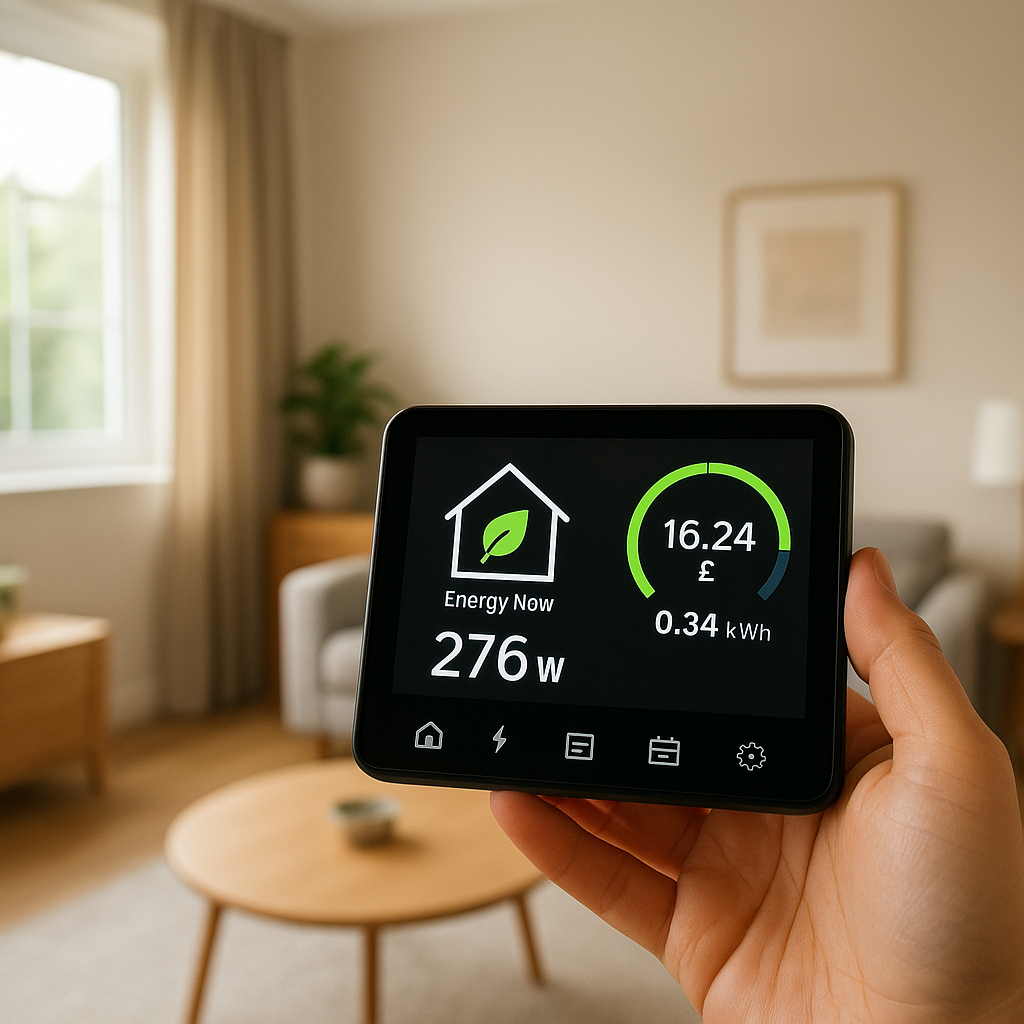
- Energy awareness: Power-monitoring smart plugs can show how much each load costs and help you spot waste.
Why smart plugs and vibration sensors work with almost any washer or dryer
Many modern machines have optional Wi-Fi modules or built-in apps, but those are brand-specific and often unreliable. Smart plugs with energy monitoring and standalone vibration sensors avoid that problem entirely:
- They treat your washer/dryer like a generic device: No need for brand integration or special apps from the manufacturer.
- They work on old and new machines alike: As long as the machine plugs into a wall outlet and vibrates when running, you can monitor it.
- They’re platform-agnostic: You can integrate them with most major smart home systems, and even change platforms later.
- They’re inexpensive and reusable: If you move or replace machines, just move the plug or sensor.
How Laundry ‘Done’ Detection Works (Power vs. Vibration)
Using energy monitoring smart plugs to detect cycle completion
Energy monitoring smart plugs measure how much power a device uses in real time. A washer or dryer has a very distinct power pattern:
- Idle: very low wattage or zero.
- Running: much higher and often fluctuating wattage.
- Finished: returns to low idle wattage again.
By watching for the moment when power drops from “running level” back to “idle level” and stays there, your automation can infer that the cycle has ended. This method works especially well with:
- Electric dryers (high, fairly steady power draw).
- Washers with clear on/off differences between idle and running.
- Stacked washer/dryer combos where each unit has its own plug.
Using vibration sensors when power usage isn’t reliable
Some machines don’t show a clear power pattern. Examples include gas dryers with modest power draw or washers that keep electronics powered at nearly the same level before and after a cycle. In those cases, a vibration sensor is often more reliable.
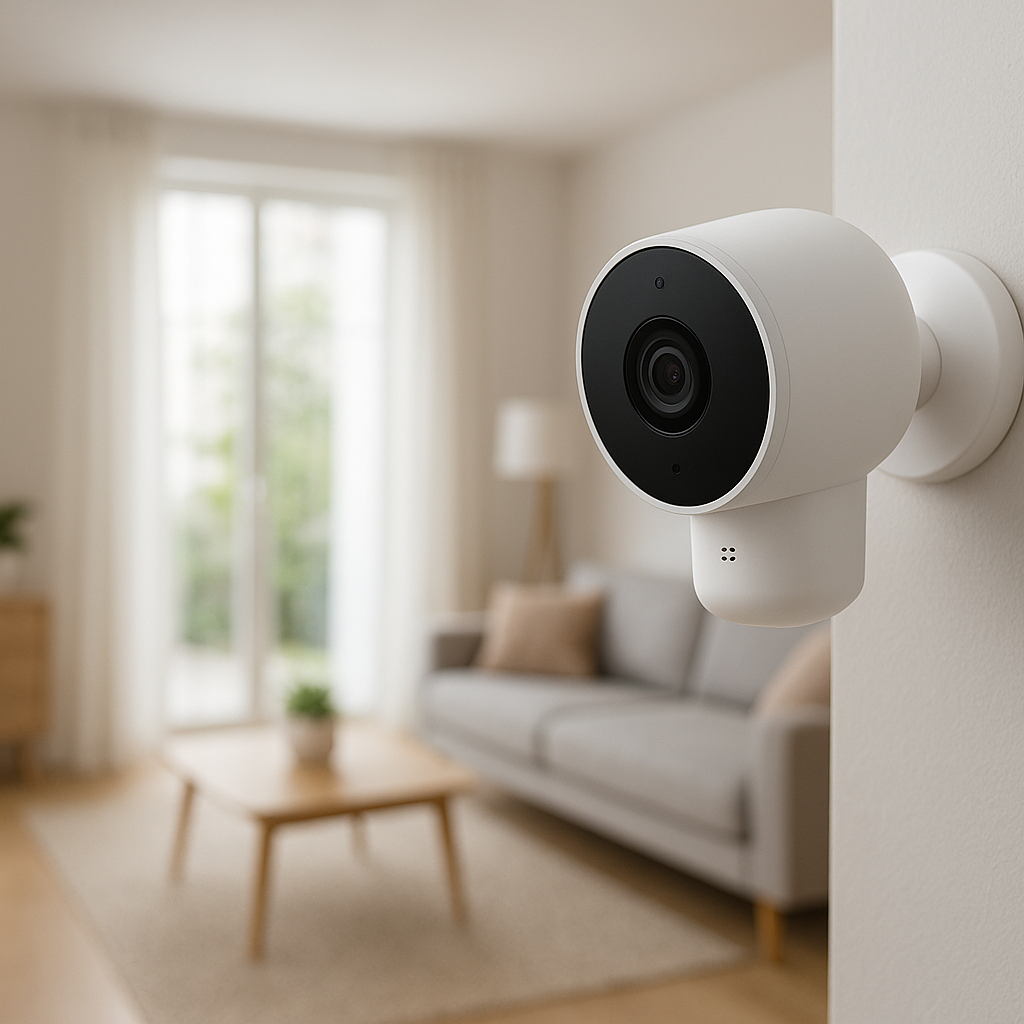
Vibration sensors detect movement on the surface they’re attached to. A running washer shakes dramatically during spin cycles, while a dryer has a steady rumble from the drum. When vibration stops and stays low for a few minutes, the cycle is likely finished.
For a deeper understanding of how these sensors work in general, you can refer to the overview on vibration sensors, though you won’t need that level of detail just to set up laundry alerts.
Combining both methods for more accurate alerts
For some households, the most robust solution uses both power monitoring and vibration detection. This allows you to:
- Confirm that the machine is not only drawing less power but also no longer moving.
- Handle machines that pause mid-cycle or tumble slowly at the end.
- Reduce false alarms caused by short pauses, unbalanced loads, or smart plug reporting quirks.
Later in this guide, you’ll see logic examples like “power low AND no vibration” or “power low OR no vibration for 5 minutes” to fine-tune reliability.
What You Need to Get Started
Recommended smart plugs with energy monitoring
You’ll need smart plugs that support real-time power monitoring, not just on/off control. Look for:
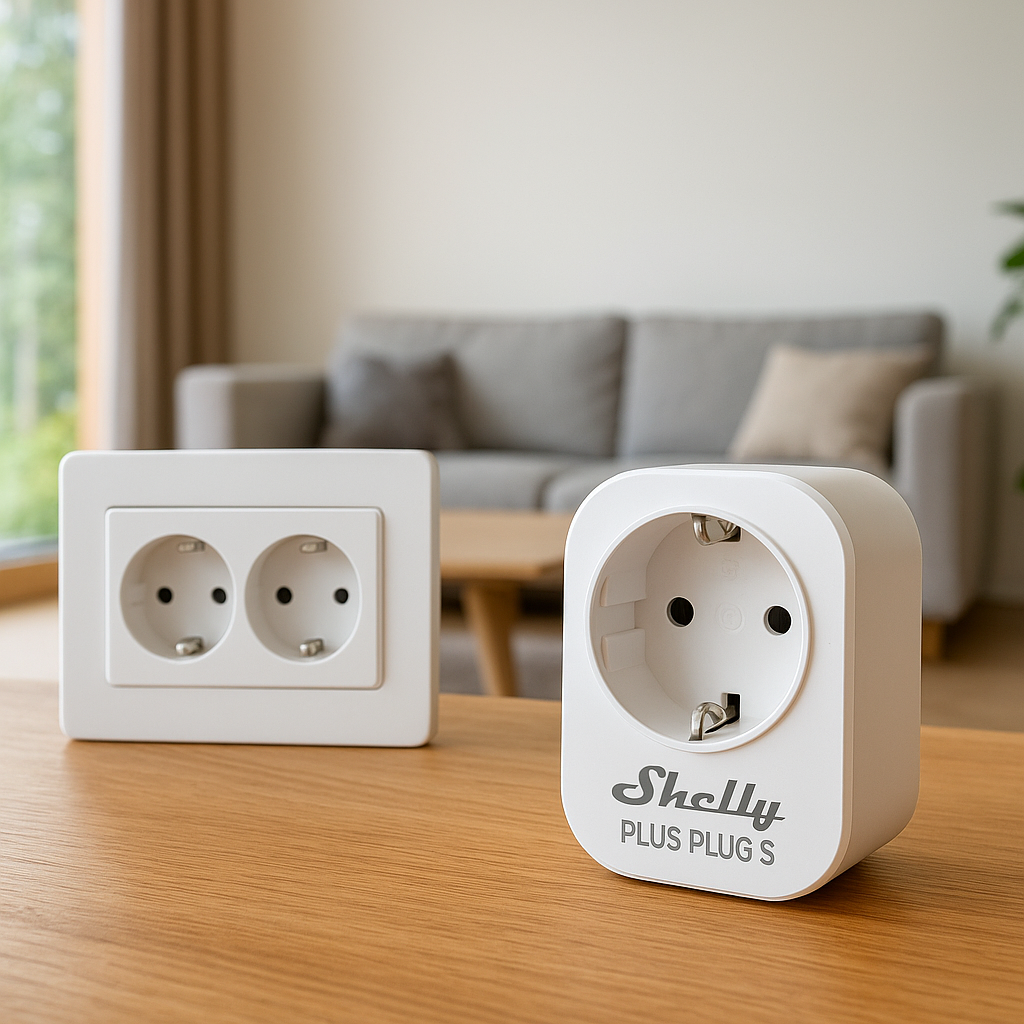
- Energy monitoring support: Confirm in the specs that they report wattage or power usage.
- Enough current rating: Laundry appliances draw a lot of power. For safety, only use smart plugs rated for your region and appliance type. Many high-power dryers (especially 240V models in North America) cannot be safely used with typical consumer smart plugs.
- Local integration options: Devices from brands like Shelly, Zooz, and some TP-Link Kasa plugs can connect locally to platforms like Home Assistant for faster and more reliable automations.
An example of a power-monitoring plug (for appropriate loads only) is the TP-Link Kasa HS300, a power strip with energy monitoring on each outlet: TP-Link Kasa HS300 product details. Always double-check load ratings before using any plug with laundry equipment.
Recommended vibration/contact sensors for washers and dryers
You can use a simple vibration sensor or a multi-sensor that includes vibration along with contact or tilt. Look for:
- Zigbee or Z-Wave connectivity: Often more stable for fixed sensors than Wi-Fi, especially at the edge of your home’s coverage.
- Adjustable sensitivity: Lets you tune out minor vibrations from nearby appliances.
- Long battery life: You don’t want to replace batteries every few months.
Popular options include generic Zigbee vibration sensors compatible with Home Assistant and SmartThings, as well as branded sensors sold for security systems that also expose vibration events.
Compatible smart home platforms (Home Assistant, SmartThings, Alexa, Google Home, Apple Home)
Most modern platforms can support laundry done notifications. You’ll typically need:
- Home Assistant: Full control using power sensors or vibration entities with automations and scripts.
- SmartThings: Automations or Routines based on device power or vibration status.
- Alexa: Routines triggered by smart plug power levels (if supported) or by virtual switches updated from another hub.
- Google Home: Native support is more limited; often you use a partner ecosystem (e.g., SmartThings or Home Assistant Cloud) to expose an on/off “laundry done” helper to Google.
- Apple Home (HomeKit): Works with HomeKit-compatible plugs/sensors, or devices bridged from platforms like Home Assistant via HomeKit integration.
Safety and placement considerations for laundry room devices
Laundry rooms can be harsh environments—moisture, heat, and vibration all matter. Keep these points in mind:
- Electrical safety first: Do not use standard smart plugs with high-current 240V dryers unless the plug is specifically rated and certified for that application.
- Keep plugs dry: Avoid locations where splashes from sinks, utility tubs, or leaks can reach the device.
- Mount sensors firmly: Use strong adhesive or screws (if allowed) to ensure vibration sensors don’t rattle loose.
- Maintain ventilation: Don’t block vents or cooling openings on dryers with devices or cables.
- Check Wi-Fi/Zigbee signal: Basements and garages may need an extra access point or smart hub repeater for reliability.
Method 1 – Laundry ‘Done’ Alerts with an Energy Monitoring Smart Plug
Step 1: Plug your washer or dryer into the smart plug safely
Start by identifying which appliance you’ll monitor and whether it’s safe to use a smart plug with it:
- Washers: Many standard 120V washers can be monitored with appropriately rated smart plugs.
- Electric dryers: Often run on 240V circuits and require specialized hardware; do not use a typical smart plug unless it explicitly supports this use.
- Gas dryers: May be 120V but still have high startup current, so check ratings carefully.
Once you’ve confirmed compatibility:
- Unplug the machine.
- Plug the smart plug into the wall outlet.
- Plug the washer/dryer into the smart plug.
- Add the smart plug to your chosen platform using the manufacturer’s app, then expose it to Home Assistant, SmartThings, etc.
Step 2: Find your machine’s idle vs running power usage
Next, you need to figure out what “idle” and “running” look like for your machine:
- Open your smart home app and view the live power usage for the plug.
- With the machine off, note the idle wattage (often 0–3W, but sometimes higher).
- Start a normal cycle and watch the power usage during wash/tumble/spin or heating stages.
- Record a typical “running” range (e.g., 400–900W for a washer, 1800W+ for an electric dryer).
Once you see a clear difference between idle and running, pick a threshold halfway between them (e.g., if idle is 2W and running is 400W+, a threshold of 50–100W is usually safe).
Step 3: Create an automation based on power dropping below a threshold
Your automation will look something like this:
- Trigger: Smart plug power falls below your chosen threshold.
- Condition: Power stays below that threshold for a few minutes (e.g., 3–5 minutes) to avoid false triggers during pauses.
- Action: Mark laundry as done and send notifications.
Adding a “sustained low power” condition is critical. Washers may pause briefly between stages; dryers cool down before stopping. Waiting a few minutes avoids triggering mid-cycle.
Step 4: Send alerts via push notification, smart speaker, or lights
Once your automation detects “done,” you can choose how the home reacts. Common options include:
- Push notifications: Send a message like “Washer: cycle finished” to your phone.
- Smart speaker announcements: Have an Echo, Nest speaker, or HomePod say “Laundry is done” in the kitchen or living room.
- Smart lights: Flash a specific light or change it to a certain color until someone acknowledges the alert.
- Dashboard updates: Update a “Laundry Status” tile in your smart home dashboard to show “Done – ready to switch” or “Done – ready to fold.”
Example automations in Home Assistant, SmartThings, and Alexa Routines
Here’s how the logic typically looks on different platforms:
- Home Assistant: Use a numeric state trigger on the smart plug’s power sensor. Add a “for: 00:05:00” condition and then send a notification service call plus a TTS message to a media player.
- SmartThings: Create an Automation where “If device power is below X watts for Y minutes” then send push notification and optionally turn on a virtual switch representing “laundry done.”
- Alexa Routines: If Alexa supports power-based triggers for your plug, create a Routine: “When power drops below X watts, wait 3 minutes, then announce on [chosen speakers].” Otherwise, trigger Alexa via a virtual switch exposed from another platform.
Method 2 – Laundry ‘Done’ Alerts with a Vibration Sensor
Best locations to place vibration sensors on washers and dryers
Placement determines how well the sensor detects the cycle. Good starting points include:
- Top-loading washers: On the side panel near the middle or back, away from direct splashes.
- Front-loading washers: On the side or back panel; avoid the door where movement is less consistent.
- Dryers: On the side panel, preferably near the drum area.
Attach the sensor using its included adhesive or mounting plate. If your machines are stacked, experiment so the sensor picks up the right unit’s vibration without too much noise from the other.
Tuning sensitivity to avoid false positives
Most vibration sensors allow you to adjust sensitivity through their app or hub. To tune:
- Start with medium sensitivity.
- Run a normal cycle and confirm the sensor reports vibration or “active” status throughout.
- Stop the machine and confirm the sensor quickly returns to “inactive.”
- If nearby footsteps or doors set it off, reduce sensitivity or move the sensor slightly.
The goal is to detect genuine machine rumble while ignoring small bumps or distant activity.
Creating an automation when vibration stops for a set time
Your logic with vibration is simple:
- Trigger: Vibration sensor changes to “no vibration” or “inactive.”
- Condition: Sensor stays inactive for a period (e.g., 3–5 minutes).
- Action: Fire your “laundry done” notifications.
The wait time is crucial. Washers especially can pause between spin stages or re-balance loads. Requiring a continuous period of no movement prevents mid-cycle alerts.
Example flows in Home Assistant, SmartThings, and Zigbee/Z-Wave hubs
Typical setups look like this:
- Home Assistant: Automation triggered by the sensor’s binary state turning off, with a “for” time. Action sends a notification and updates a helper entity like an input_boolean for “Laundry done.”
- SmartThings: Routine: “If vibration sensor is inactive for 5 minutes, then send notification and turn on a virtual switch.”
- Zigbee/Z-Wave hubs (Hubitat, etc.): Rule Machine or Simple Automation rules using the sensor’s active/inactive events with a delay before acting.
Using Both Smart Plug and Vibration Sensor for Reliable Detection
Logic examples: power AND vibration, or power OR vibration
Combining both sensors lets you be more precise:
- Power AND no vibration: Only declare “done” when power is below threshold and vibration is inactive for a few minutes. Very accurate, lower risk of false alerts.
- Power OR no vibration: Trigger when either condition is met. Good if one sensor occasionally misses the end of the cycle, but tune delays carefully to avoid early alerts.
In Home Assistant or advanced hubs, you can build this logic using conditions and helper entities to avoid duplicated notifications.
Reducing false alarms from pauses or unbalanced loads
Some machines pause to soak, redistribute loads, or cool. To avoid mistaking these for “done” moments:
- Require that both power stay low and vibration stay inactive for at least 3–10 minutes, depending on your machine.
- Optionally, require that the machine was previously in a “running” state (high power or active vibration) within the last 30–90 minutes.
- Use a helper switch or variable to indicate “cycle currently running,” so you don’t trigger “done” without having seen a recent “start.”
Handling long cycles and delayed spin stages
Long cycles, especially on modern washers with eco modes, can confuse simple rules. Tips:
- Observe a few complete cycles and note the longest pauses you see between drum movements or heating stages.
- Set your “no vibration” delay longer than the longest typical pause.
- If your washer has an extended soak mode, consider ignoring events in the first X minutes of the cycle by tracking start time.
This extra tuning keeps alerts accurate even on complicated wash programs.
How to Send Laundry Done Notifications in Different Ways
Phone push notifications and rich alerts
Phone notifications are the easiest option and work almost everywhere:
- Use your platform’s companion app (Home Assistant, SmartThings, Hubitat, etc.) to send push messages.
- Include the specific machine in the message: “Washer is done” vs. “Dryer is done.”
- On iOS and Android, you can often add actions like “Snooze 10 minutes” or “Mark done,” which can toggle a helper in your system.
Announcements on smart speakers (Alexa, Google Assistant, HomePod)
Voice announcements work well when your phone isn’t nearby:
- Alexa: Use Routines that announce a custom phrase on one or more Echo devices.
- Google Assistant: Trigger Assistant broadcast messages via compatible integrations.
- HomePod: Use Home automations or HomeKit shortcuts to play an audio alert or text-to-speech announcement if supported through integrations.
Consider limiting announcements to certain rooms so you don’t wake sleeping kids or disturb remote workers.
Flashing smart lights or changing bulb colors when laundry is finished
Visual alerts are great if your house is already full of smart bulbs or switches. Ideas include:
- Flash kitchen lights three times when the dryer finishes.
- Set a hallway or mudroom light to a specific color (e.g., blue for washer done, green for dryer done) until turned off.
- Use a small, inexpensive smart bulb in a lamp near the laundry area purely as a laundry indicator.
Notifications to smart watches and family members
To keep everyone in the loop:
- Enable notifications on smartwatches so a gentle tap on the wrist signals that laundry is done.
- Send notifications to multiple family members via shared smart home apps or group chats triggered by webhooks or email integrations.
- Consider rotating responsibility—e.g., alternate who gets primary alerts by changing the target device in your automation weekly.
Advanced Ideas: Multiple Loads, Quiet Hours, and Energy Savings
Only notify when someone is home using presence detection
Presence detection helps avoid useless alerts when no one is around to act:
- Use phone presence, Wi-Fi detection, or car-based tracking to determine if household members are home.
- Only fire voice announcements or light flashes when at least one person is present.
- Optionally send only a single quiet push notification while everyone is away, and louder/more visible alerts when someone returns.
Quiet hours and child-sleep-friendly notification options
Late-night laundry cycles can clash with bedtime. To keep the peace:
- Define quiet hours (e.g., 21:00–07:00) in your smart home system.
- During quiet hours, disable speaker announcements and only send low-key notifications like phone alerts or a gentle light color change.
- Avoid flashing lights in bedrooms; focus on common areas or device notifications.
Tracking laundry usage over time for energy monitoring insights
Energy monitoring plugs can do more than just trigger alerts. Many platforms allow you to log usage over time:
- Track how many kWh each load uses and estimate cost per load.
- Identify which cycles or temperatures are most efficient.
- Spot unusual patterns that might indicate maintenance issues, like a dryer that’s using more power than it used to.
For example, Home Assistant’s energy management features provide dashboards and long-term statistics; see their automation and energy documentation at Home Assistant automation docs to learn how to combine monitoring with automations.
Creating a “laundry ready to fold” scene that triggers other automations
Once you know laundry is done, you can let one event trigger several helpful actions:
- Create a scene called “Laundry ready to fold” that turns on certain lights, sets a comfortable temperature near the laundry area, and starts a favorite music playlist.
- Use this scene as the action for your laundry done automation so your home gently nudges you to finish the chore.
- Combine with reminders—if the scene has been active for 30 minutes and hasn’t been canceled, send a “Don’t forget to fold” follow-up notification.
Troubleshooting Common Laundry Notification Issues
Smart plug not reporting power correctly
If readings look wrong or don’t update:
- Check firmware updates in the plug’s app.
- Ensure the plug has strong Wi-Fi or hub connectivity.
- Reduce network congestion by placing your hub or access point closer to the laundry room.
- Verify that the plug actually supports continuous energy reporting; some only show periodic snapshots.
Vibration sensor missing the end of the cycle
If your sensor doesn’t reliably detect when the machine stops:
- Reposition it closer to the strongest vibration area.
- Increase sensitivity in the app or hub.
- Increase the “no vibration” duration (e.g., from 3 minutes to 6 minutes) to give the machine time to fully stop.
- Ensure the sensor’s battery is healthy and that it reports promptly.
Notifications not arriving or arriving late
Delayed or missing alerts usually trace back to connectivity or app settings:
- Confirm that your smart home app has notification permissions enabled on your phone.
- Disable battery optimization or “sleep” settings for the app so it can receive messages in real time.
- Check your hub or platform logs to ensure the automation itself is triggering when expected.
Connectivity problems in basement or garage laundry rooms
Basements and garages often have weak wireless signals:
- Add a Wi-Fi access point, Zigbee repeater, or Z-Wave plug between the main house and the laundry room.
- Place the hub or coordinator closer to the stairs or door leading to the laundry space.
- Avoid placing hubs or routers inside metal cabinets or directly behind appliances, as metal can block signals.
Conclusion: A Smarter Way to Never Forget the Laundry Again
Choosing the best method for your washer and dryer
Both power monitoring and vibration sensing can deliver rock-solid laundry done notifications. In many homes:
- Power monitoring alone is ideal for washers and some gas dryers with clear power patterns.
- Vibration sensors alone shine when power usage doesn’t change much between idle and running.
- A combined approach gives the most confidence, especially if cycles are complex or you’ve seen false alerts.
Start simple with whichever sensor is easiest to add, watch a few cycles to understand your machine’s behavior, then refine from there.
Quick setup checklist to get your ‘laundry done’ automation running today
To recap, here’s a fast checklist:
- Choose your method: energy-monitoring plug, vibration sensor, or both.
- Verify safety and ratings for any smart plug used with laundry appliances.
- Install and pair the device with your smart home platform.
- Measure idle vs running power, or confirm vibration patterns.
- Create an automation that triggers when power drops or vibration stops for several minutes.
- Add your preferred alerts: phone notifications, announcements, lights, or all three.
- Run a few test cycles and tweak thresholds and delays to reduce false alerts.
Once you’ve done this once, you’ll wonder how you lived without it—your smart home quietly keeps track of the laundry, and you can focus on everything else.
FAQ
Can I use these methods with a 240V electric dryer?
Most off-the-shelf smart plugs are not rated for 240V dryer circuits or the high current they draw. For safety, only use hardware specifically designed and certified for that application, or monitor the washer instead. You can still get useful “switch to dryer” reminders from the washer’s done notification.
Will laundry notifications still work if my internet goes down?
If your automations run locally on a hub like Home Assistant, Hubitat, or a local SmartThings hub, they can still detect cycle completion without internet. However, cloud-based notifications or voice assistants may not work until your connection is restored.
Do smart plugs or sensors affect my washer or dryer warranty?
In most cases, using an external smart plug or attaching a vibration sensor to the exterior won’t affect warranty coverage, since you’re not modifying the appliance itself. That said, always follow manufacturer recommendations and avoid exceeding electrical ratings.
How accurate are vibration sensors compared to power monitoring?
Accuracy depends on your machine and environment. On very shaky washers, vibration sensing is extremely reliable; on very smooth or isolated machines, power monitoring might be more consistent. Combining both methods gives you the best overall reliability.
Can I set different notifications for washer and dryer?
Yes. Use separate plugs or sensors for each machine and create separate automations. You can send different messages, use different light colors, or announce them on different speakers to make it easy to tell which machine is done.