Smart plugs, smart switches, and smart power strips all promise more control over your home’s electricity. But they work in different ways, and choosing the wrong one can waste money or, in some cases, create safety issues.
This guide walks through smart plug vs smart switch vs power strip in plain language. You’ll see how each one works, where it makes the most sense, and which to use for TVs, PCs, space heaters, lamps, and more in every room.
By the end, you’ll have a clear plan for what to buy, where to install it, and how to automate everything safely and efficiently.
Smart Plug vs Smart Switch vs Power Strip: Quick Comparison
Key differences in how each one works
All three devices control power, but they sit in different places in your electrical setup:
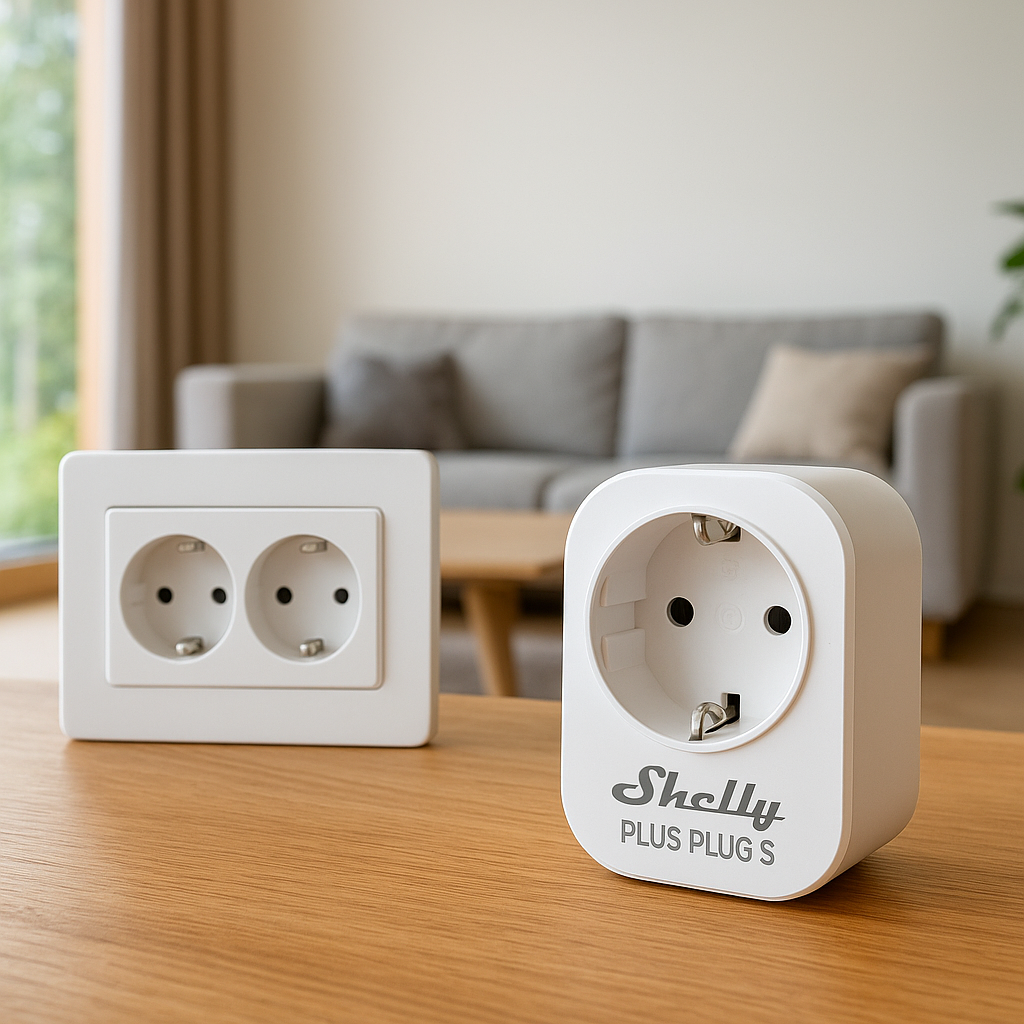
- Smart plug – A small adapter that plugs into a wall outlet. You then plug one device (like a lamp or fan) into the smart plug. It controls power to that single outlet.
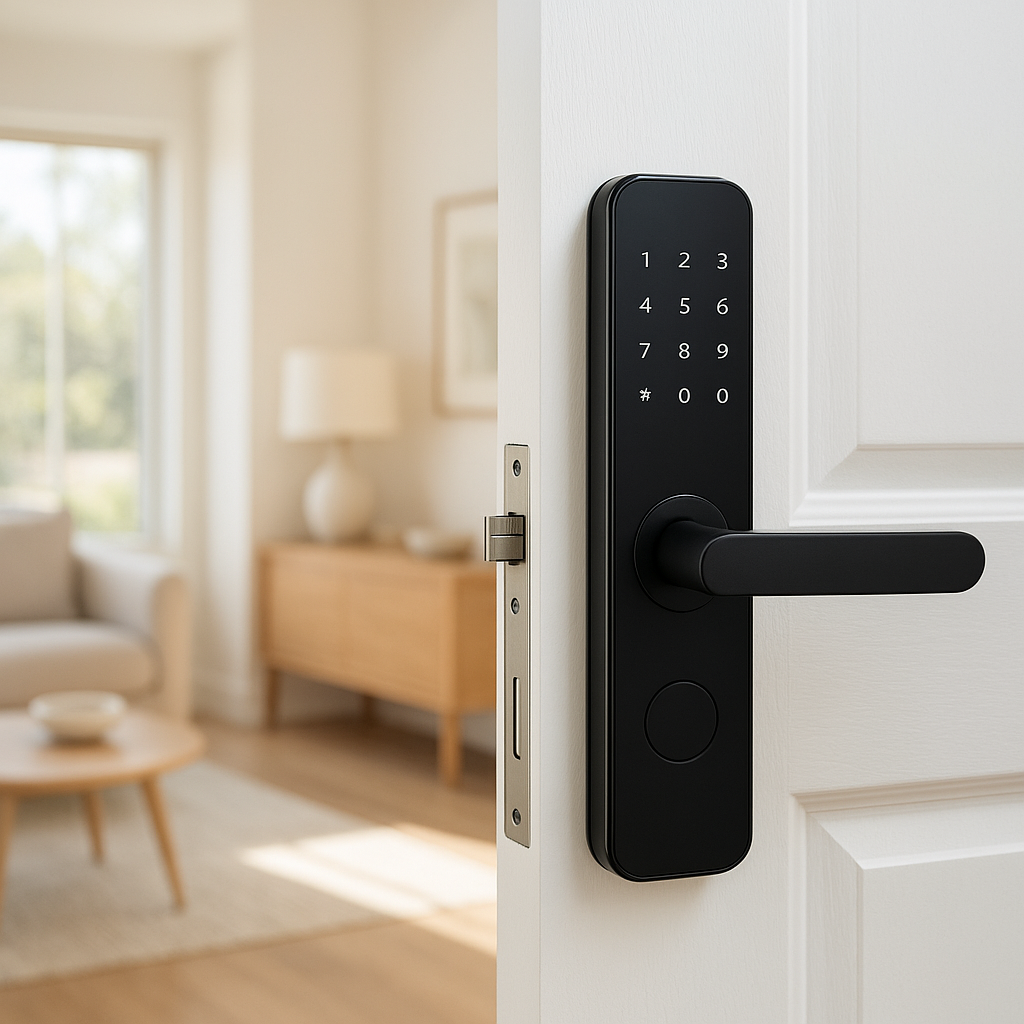
- Smart switch – Replaces a traditional wall light switch. It controls an entire lighting circuit or group of fixtures wired to that switch.
- Smart power strip – A multi-outlet strip with smart control built in. Some or all outlets can be controlled individually or as a group, often with energy monitoring.
In short, smart plugs and power strips sit outside the wall and control individual outlets, while smart switches sit inside the wall and control wired lights or receptacles.
Pros and cons at a glance
- Smart plugs
- Pros: Easiest to set up, cheap, portable, no wiring, great for lamps, fans, and small appliances.
- Cons: Usually one device per plug, can clutter outlets, not ideal for high-power heaters or large AV setups.
- Smart switches
- Pros: Clean look, controls whole rooms or circuits, works with existing bulbs, wall control remains familiar.
- Cons: Requires wiring, often needs a neutral wire, usually not renter-friendly, mainly for lighting.
- Smart power strips
- Pros: Ideal for entertainment centers and desks, multiple controllable outlets, good for cutting standby power, often include surge protection and USB ports.
- Cons: Bulkier, more expensive than a single plug, can be overkill for just one or two devices.
When each option makes the most sense
As a quick rule of thumb:
- Use a smart plug for individual plug-in devices like lamps, fans, coffee makers, air purifiers, and white noise machines.
- Use a smart switch for overhead lights, hall lights, and outdoor lighting where a wall switch already exists.
- Use a smart power strip for clusters of electronics like TVs plus consoles, or a PC plus monitor and speakers.
How Smart Plugs, Switches, and Power Strips Actually Work
What a smart plug does and when it’s ideal
A smart plug is essentially a remotely controlled on/off switch for one outlet. Inside is a small relay and a wireless radio (Wi‑Fi, Zigbee, Z-Wave, or Matter). Through an app or voice assistant, you send a command to open or close that relay, which powers the device on or off.
Smart plugs are ideal when:
- You want to automate a single device without rewiring anything.
- The device has a simple mechanical on/off switch and comes back on automatically when power is restored (for example, many basic lamps and fans).
- You rent and can’t change switches or wiring.
Typical uses include table lamps, floor lamps, fans, air purifiers, dehumidifiers (if they auto‑restart), and non-critical kitchen appliances like kettles or coffee makers with mechanical switches.
What a smart switch controls (and its wiring requirements)
A smart switch physically replaces your existing wall switch and connects to the electrical wiring in the switch box. It controls:
- Ceiling lights or recessed lighting
- Switched outlets (where half of a receptacle is controlled by the switch)
- Porch lights, garage lights, or other wired fixtures
Most modern smart switches require:
- Line (hot) and load wires – to bring power in and send it to the light.
- Neutral wire – many smart switches need this to power their internal electronics.
- Ground – for safety.
If your home’s switch box doesn’t have a neutral wire, you may need a specialized “no neutral” smart switch model or an electrician’s help. Smart switches are best for permanent lighting control where you want the wall switch and app/voice control to work together.
What a smart power strip is and why it’s great for clusters of devices
A smart power strip works like a regular power strip but with smart control and often energy monitoring built in. Typical features include:
- Multiple AC outlets, some “always on” and some individually controllable
- Surge protection to help protect electronics
- Scheduling and automation per outlet or per group
- Energy monitoring to see how much power each outlet (or the strip overall) uses
Smart power strips shine in places where you have many plug-in devices that live together: behind a TV, under a desk, or in a workshop. For example, you might put a TV and soundbar on one group, game consoles on another, and a streaming box on an always‑on outlet.
If you want a deeper dive into how smart plugs and strips communicate, the smart plug article on Wikipedia offers a good technical overview.
Choosing the Right Option by Room: Living Room & Media Area
TVs, soundbars, game consoles, and streaming boxes
For entertainment centers, the main goals are convenience, safety, and cutting standby power without breaking your setup.
- Smart plugs work if you have just one or two devices, such as a single TV and soundbar. You can power them off at night or when you’re away.
- Smart power strips are usually better, because you can:
- Keep some devices (like streaming boxes) on 24/7.
- Turn off high-draw devices (TV, game consoles) overnight.
- Create one “Movie Time” scene that powers everything you need.
Avoid rapidly toggling power on AV gear just to “reboot” things; that’s better done via the device menu. Use automations for longer off periods, like late-night shutdowns.
Lamps and accent lighting behind the TV
For bias lighting behind the TV, table lamps, or LED strips plugged into an outlet:
- Smart plugs work well for single lamps or small lamp groups on a basic power strip.
- For LED strip kits with their own remote or app, check if they’re already smart. If not, a smart plug can still handle simple on/off.
You can group multiple smart plugs in your smart home app so one command like “Movie lighting” dims your overhead lights (via smart switch) and turns on lamps behind the TV.
Protecting and automating entertainment centers with a smart power strip
Many smart power strips include surge protection, which is valuable for expensive TVs and consoles. Look for:
- Joule rating appropriate for AV gear (higher is generally better).
- Individually controllable outlets so you can selectively shut down consoles at night but leave your streaming box online.
- Energy monitoring so you can see how much power your TV and consoles use.
Set a schedule to cut power to non-essential outlets after midnight, then restore it before you typically use the system again.
Home Office: PCs, Monitors, Printers, and Desk Gear
Smart plugs vs power strips for computers and monitors
Desktop PCs and monitors often live together and benefit from coordinated control:
- Smart power strips are ideal here. Put your PC, monitor, speakers, and dock on a strip. You might keep the PC on an “always on” outlet if you use remote access, and schedule monitors and speakers to turn fully off at night.
- Smart plugs can handle single devices, like a printer you rarely use or a secondary monitor, but managing many separate plugs gets messy fast.
Avoid cutting power abruptly during active work. Use automations tied to time (like after midnight) or presence (when you leave home) instead of frequent on/off toggles while you’re at the desk.
Safely automating chargers, printers, and desk lamps
Smart plugs are great for low-to-moderate draw devices around the desk:
- Phone and laptop chargers – turn the outlet off overnight once devices are topped up to reduce heat and standby draw.
- Printers – many inkjets sit idle for days. Use a smart plug to power them only during work hours.
- Desk lamps – easy win for voice control and automated workday lighting.
Check your smart plug’s rated amperage (usually 10–15A) and make sure the total load of what you’re plugging in is well under that limit.
Using smart strips to cut phantom power from office electronics
Monitors, powered speakers, docks, and chargers all draw standby power even when “off.” A smart power strip with energy monitoring lets you see that baseline and schedule cutoffs for non-essential devices overnight and on weekends.
For example, you might:
- Group “critical” outlets (PC, router) that stay on.
- Group “non-critical” outlets (monitor, speakers, printer) that turn off at 11 PM and back on at 7 AM on weekdays only.
Bedroom: Lamps, Chargers, Fans, and Sleep Routines
Smart plugs for bedside lamps, fans, and white noise machines
Smart plugs are perfect for bedroom comfort devices:
- Bedside lamps – set them to turn on at low brightness before your alarm as a gentle wake-up cue (if you’re using dimmable smart bulbs) or just to provide on/off control.
- Fans – schedule them to start a bit before bedtime and shut off just after you usually fall asleep.
- White noise machines – tie them into a bedtime routine that turns them on automatically as you get ready for bed.
Make sure fans and white noise machines have mechanical switches that return to “on” when power is restored, otherwise the smart plug won’t be able to restart them automatically.
When a smart switch is better for main bedroom lighting
If you want to control overhead bedroom lights with your voice or phone, a smart switch is usually better than multiple smart bulbs:
- Everyone can still flip the wall switch as usual.
- You control the entire ceiling fixture with one device.
- It’s often cheaper than outfitting every bulb with Wi‑Fi.
Choose a dimmer-style smart switch if your fixture uses dimmable bulbs and you want to create softer evening lighting.
Combining smart plugs and switches with bedtime and wake-up routines
Most platforms (Alexa, Google Home, Apple Home) let you build routines that include multiple device types. For example:
- Bedtime routine: Turn off the bedroom ceiling light (smart switch), turn on a bedside lamp (smart plug), start the fan (smart plug), and shut down office gear (smart strip) in another room.
- Wake-up routine: Turn on the ceiling light to 30% (smart switch with dimming), turn off fan and white noise, and switch on the kitchen coffee maker plug.
Kitchen and Dining: Coffee Makers, Kettles, and Small Appliances
What’s safe (and not safe) to put on a smart plug
Kitchens have many high-powered appliances. As a general rule:
- Usually OK on a smart plug: Coffee makers with simple on/off switches, kettles with mechanical switches, slow cookers, toasters (if you’re present), and small mixers.
- Usually not recommended: Ovens, cooktops, dishwashers, microwaves, and anything that heats unattended for long periods or requires precise safety interlocks.
Always check both the appliance’s wattage and the smart plug’s rating. If your device is close to the plug’s maximum wattage or amperage, don’t use them together.
Timed automations for coffee makers and slow cookers
Smart plugs shine for predictable routines:
- Coffee maker: Load water and grounds the night before, leave the machine’s switch in the “on” position, and schedule the smart plug to power it at 6:30 AM on weekdays.
- Slow cooker: Start cooking remotely or switch to “keep warm” by turning the outlet off at a set time, as long as your slow cooker’s controls are compatible with losing and restoring power.
Never rely on a smart plug alone for food safety. Follow your appliance’s instructions and safe cooking times.
Smart switches for overhead lights and under-cabinet lighting
For fixed lighting, smart switches give cleaner control than a bunch of plugs:
- Use smart switches for ceiling lights and recessed kitchen lighting.
- If under-cabinet lights are hard-wired and on a wall switch, replace that switch with a smart one for hands-free cooking and late-night path lighting.
You can then trigger kitchen lights through motion sensors or by voice when your hands are full.
Heating, Cooling, and Space Heaters: Safety First
Can you use a smart plug with a space heater?
This is one of the most common and most sensitive questions. Many manufacturers discourage or forbid using smart plugs with portable space heaters because of the high current draw and fire risk.
If you choose to do it anyway, it should only be with:
- A high-quality, properly rated smart plug (often 15A, specifically approved for heaters).
- A space heater that has tip-over and overheat protection and mechanical controls that return to the same state after power loss.
- Supervised operation – never running while you’re asleep or away from home.
For many homes, it’s safer to avoid automating portable heaters at all and use other options discussed below.
Power rating, amperage, and UL safety considerations
Before using any smart plug, switch, or strip with a heater, AC unit, or other heavy load, check:
- Current rating (amps) of the smart device.
- Wattage of the heater from its label (Watts = Volts × Amps).
- Third-party safety certifications such as UL, ETL, or CSA.
Never exceed the rated load, and leave a safety margin (for example, keep continuous loads under 80% of the rated current). Also be sure the outlet, wiring, and circuit can handle the combined load of all devices.
Better alternatives: smart thermostats, smart radiator valves, and controls
Instead of switching big heaters on and off with a plug, consider more purpose-built options:
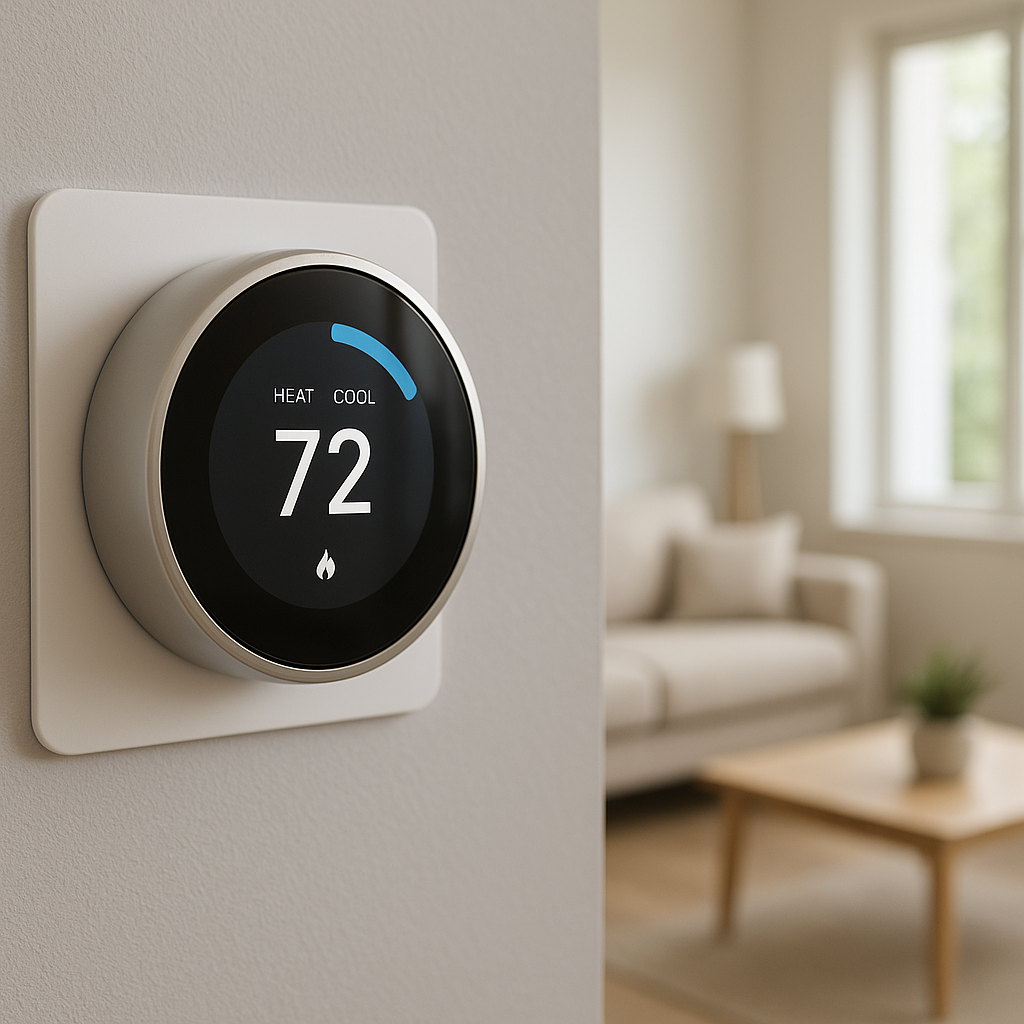
- Smart thermostats for central HVAC systems.
- Smart radiator valves or zone controls for hydronic heating.
- Smart controllers for mini-splits and window AC units that work via IR or built-in Wi‑Fi.
These are designed to manage temperature and safety functions directly, instead of blindly cutting power at the outlet.
Hallways, Entryways, and Utility Spaces
Smart switches vs plugs for hall and stair lighting
Hall and stair lights are usually hard-wired, so a smart switch is the natural fit:
- Single-pole smart switches for simple hall lights.
- 3-way compatible smart switches for stairs with switches at the top and bottom.
This keeps the lights controllable from the wall and by voice or motion sensors, without adding extra hardware at the fixtures.
Smart plugs for shoe dryers, dehumidifiers, and air purifiers
Utility spaces often have small plug-in devices that benefit from schedules:
- Shoe and boot dryers – run them on a timer after you get home so they don’t stay on all night.
- Dehumidifiers – schedule them for off-peak hours or when rooms are unoccupied, if they automatically restart after a power cut.
- Air purifiers – tie them to routines, like turning on in the entry when the front door is frequently used during allergy season.
Using sensors to trigger lighting and plugs automatically
Motion and contact sensors pair well with smart switches and plugs in these areas:
- Turn on hall lights when motion is detected at night.
- Trigger an entryway lamp when the front door opens after sunset.
- Activate a closet light or utility-room dehumidifier when you open the door.
Choose a platform (Alexa, Google Home, Apple Home, SmartThings, etc.) that supports automations between your chosen sensors and smart power devices.
Energy Monitoring and Reducing Standby Power
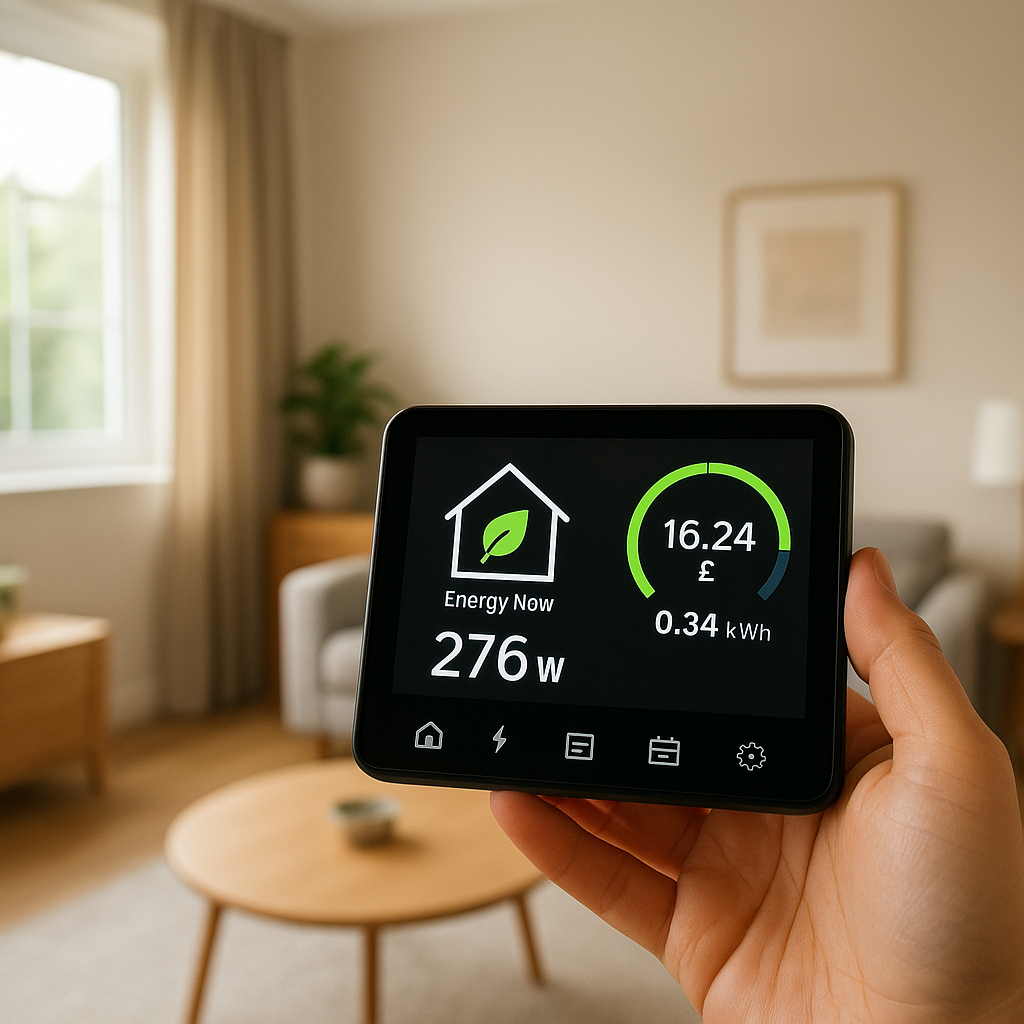
Smart plugs with built-in energy monitoring
Some smart plugs report how much power a device uses in watts and kilowatt-hours. This is useful for:
- Discovering surprisingly power-hungry devices, like old TVs or always-on speakers.
- Estimating the cost of running a dehumidifier or air purifier.
- Fine-tuning schedules to target the biggest energy wasters.
Digital meters may not be perfect, but they’re good enough to spot which devices are worth automating.
Smart power strips to cut phantom load from AV gear and office equipment
Smart power strips with monitoring can show total consumption for your entertainment center or desk. Many of these devices draw “phantom” or standby power even when off.
The U.S. Department of Energy has guidance on reducing these loads in its Energy Saver recommendations. Smart strips let you automate much of that advice by turning off clusters of equipment automatically.
Creating schedules and automation rules to lower your energy bill
Once you know what uses the most power, create simple rules such as:
- Turn off entertainment center outlets after midnight on weeknights.
- Shut down office equipment at 7 PM and during weekends.
- Run dehumidifiers or air purifiers more during off-peak hours if your utility offers time-of-use rates.
Start with conservative schedules, then tweak based on comfort and convenience.
Platform Compatibility: Alexa, Google Home, Apple Home, and More
Ensuring your smart plugs, switches, and strips work with your voice assistant
Before buying, check the product box or listing for compatibility labels such as “Works with Alexa,” “Works with Google Home,” or “Apple Home compatible.”
If you mix brands, make sure they all support at least one common platform you plan to use. That way you can put everything in shared routines and scenes.
Wi-Fi vs Zigbee vs Matter: what matters for reliability
Smart power products use different wireless technologies:
- Wi‑Fi: Easiest to set up, no extra hub, but can crowd your router with many devices.
- Zigbee / Z-Wave: Require a hub (like SmartThings or some Echo/Hub devices) but are often more stable for lots of devices.
- Matter: A newer standard that aims to make devices work across platforms with fewer headaches, often over Wi‑Fi or Thread.
If you’re just starting out and have a handful of devices, Wi‑Fi is fine. For a large home with many plugs and switches, consider Zigbee or Matter for better scalability.
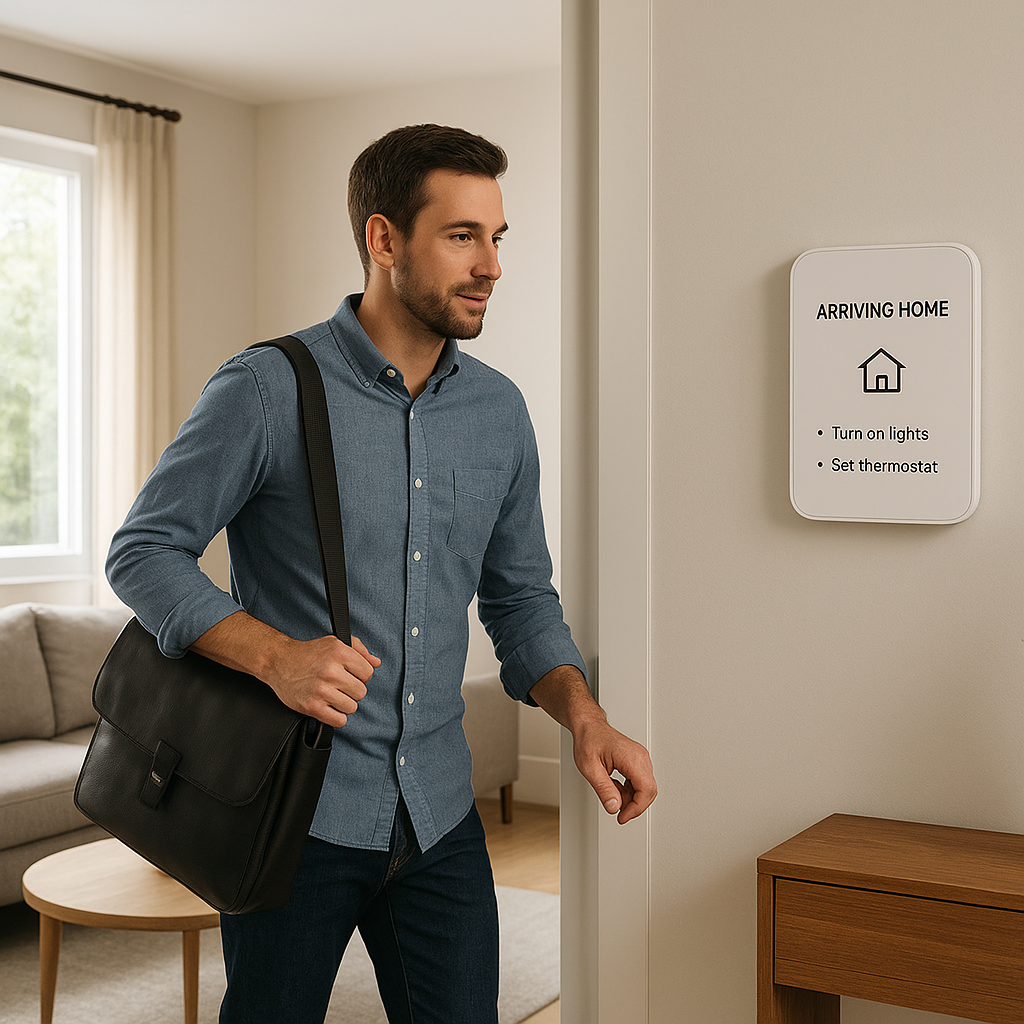
Using scenes and routines across multiple devices and rooms
Once everything is in the same ecosystem, you can create scenes such as:
- “Movie Night” – dim living room lights (smart switch), turn on TV outlets (smart strip), and switch off bright kitchen lights.
- “Away” – turn off office and entertainment outlets, leave key lamps on a random schedule, and power down dehumidifiers.
This is where mixing smart plugs, switches, and strips really pays off.
Installation and Setup: What to Expect
Plug-and-play setup for smart plugs & power strips
Most smart plugs and strips follow the same basic steps:
- Plug the device into an outlet.
- Install the manufacturer’s app.
- Put the plug/strip in pairing mode (usually by holding a button).
- Connect it to your Wi‑Fi or hub.
- Link the account to your voice assistant if desired.
Name devices clearly (“Desk Lamp,” “TV Strip”) so you can control them easily by voice.
Wiring requirements and safety for smart switches
Installing a smart switch is more advanced. You’ll typically need to:
- Turn off power at the breaker.
- Remove the existing switch and identify line, load, neutral, and ground wires.
- Connect the smart switch according to the wiring diagram.
- Secure everything in the box, attach the faceplate, and restore power.
If you’re not comfortable identifying wires or working inside an electrical box, hiring an electrician is money well spent. Also check box depth; smart switches are often bulkier than traditional ones.
Placement tips for reliable Wi-Fi and minimal clutter
For good performance and tidy rooms:
- Avoid stacking multiple smart plugs in a single duplex outlet; use a smart strip instead.
- Keep Wi‑Fi-based plugs and strips within reasonable range of your router or access points.
- Use low-profile plugs behind furniture to reduce strain on outlets and cables.
- Label strips and plugs if you have several in one area, so you know which outlet controls what.
Cost Comparison and Long-Term Value
Upfront cost vs coverage: outlet by outlet or whole circuit?
Costs vary by brand and features, but roughly:
- Smart plugs: Often the cheapest per device, especially in multipacks.
- Smart switches: Higher upfront cost but can control many lights at once.
- Smart power strips: More expensive than a single plug, but cheaper than buying separate plugs for every device they replace.
Think about whether you want to control a few specific outlets (smart plugs), a whole lighting circuit (switches), or an entire cluster of devices (power strip).
When a smart switch is cheaper than multiple smart plugs
If a room has several overhead fixtures all controlled by one switch, a single smart switch can often replace four or more smart bulbs or a collection of plug-in lamps. Over time, that usually wins on cost and simplicity.
Smart switches also don’t get unplugged accidentally and don’t take up outlet space.
When a smart power strip saves more than single plugs
In media rooms and home offices, adding individual smart plugs for every device quickly becomes more expensive and cluttered than one good smart strip. You also gain:
- Centralized surge protection.
- Cleaner cable management.
- Shared scheduling for related devices.
Run the numbers: if you’re about to buy three or more smart plugs in one area, pricing out a smart strip is worth it.
Recommended Setups for Common Scenarios
Best combo for a gaming/media room
- Smart power strip for TV, consoles, soundbar, and streaming box.
- Smart switch for overhead lights.
- Smart plug(s) for bias lighting or LED strips behind the TV.
Create a “Game Mode” that powers on the strip’s console outlets, turns on accent lighting, and dims or turns off overhead lighting.
Best combo for a minimalist home office
- Smart power strip under the desk for monitor, speakers, and charger.
- Smart plug for a desk lamp.
- Optional smart switch for the room’s ceiling light.
Use a single routine like “Start Work” to turn on the strip and lamp, and “End Work” to shut it all down.
Best combo for renters vs homeowners
Renters should stick to:
- Smart plugs and power strips (no wiring changes).
- Battery-powered motion sensors and wireless buttons for control.
Homeowners can invest in:
- Smart switches for main lighting circuits.
- Smart plugs and strips where flexibility is needed (media centers, offices, bedrooms).
This hybrid approach keeps your investment focused on devices you can take with you, while also improving the fixed lighting where you live now.
Summary: How to Decide Between Smart Plug, Switch, or Power Strip
Quick decision checklist by device type
Use this checklist to pick between smart plug vs smart switch vs power strip:
- Overhead or wall-wired lighting? → Smart switch.
- Single plug-in device (lamp, fan, purifier)? → Smart plug.
- Cluster of electronics (TV setup, desk gear)? → Smart power strip.
- High-power heaters or ACs? → Dedicated smart HVAC controls, not a generic plug if possible.
Safety and compatibility checks before you buy
Before purchasing or installing:
- Confirm voltage, amperage, and wattage ratings match your devices.
- Look for safety certifications (UL, ETL, CSA) and follow manufacturer instructions.
- Make sure devices are compatible with your chosen platform (Alexa, Google, Apple Home, etc.).
- For switches, verify your wiring includes a neutral if the product requires it.
Future-proofing your smart power setup
To keep your setup flexible:
- Favor devices that support emerging standards like Matter when possible.
- Use clear, logical naming so scenes and routines stay manageable as you add more devices.
- Start with a few high-impact automations (media center, office, bedroom) and expand gradually.
With a thoughtful mix of smart plugs, switches, and power strips, you can make each room more convenient, efficient, and comfortable—without overcomplicating your smart home.
FAQ
Do smart plugs and power strips use electricity even when off?
Yes. All smart devices draw a small amount of standby power to keep their radios active, typically 0.5–2 watts. In most cases, the energy you save by automating larger loads more than offsets this, especially when cutting standby power from TVs, consoles, and computer gear.
Can I mix different brands of smart plugs and switches?
Yes, as long as they’re all supported by at least one common platform, like Alexa, Google Home, Apple Home, or a hub such as SmartThings. The brand doesn’t have to match; compatibility with your ecosystem matters more for scenes and routines to work smoothly.
Do I need a hub for smart plugs and power strips?
Many Wi‑Fi smart plugs and strips don’t need a hub; they connect directly to your router. Zigbee and Z-Wave devices usually do require a hub. Matter devices can use a compatible controller (like newer smart speakers or hubs) as their bridge. Check the product description before buying.
Are smart switches compatible with dimmable LED bulbs?
Only if the switch itself is a dimmer and specifically rated for LED loads. Pairing a non-dimming smart switch with dimmable bulbs is fine (it will just be on/off), but pairing a dimmer switch with incompatible bulbs can cause flickering or buzzing. Always match dimmer type and bulb type.
Will my smart power setup keep working if the internet goes down?
Most smart plugs, switches, and strips will still respond to physical buttons and often to local app control on the same network. Cloud-based voice control and remote access may stop until your internet returns. Some platforms and hubs offer more robust local control than others, so check this if reliability is critical.