Smart locks promise keyless entry, app control, and slick automations. Traditional deadbolts promise something simpler: a solid chunk of metal that reliably keeps the door shut. The real question is not “which is newer,” but “which actually makes your home safer?”
This guide walks through smart lock vs regular deadbolt tradeoffs in plain language. You’ll see where smart deadbolts genuinely improve security, where a good mechanical lock is still the better choice, and how to match your setup to the way your household actually lives.
We’ll use real-world examples from popular brands like Schlage, Yale, August, Level, and Eufy, but the goal is to help you choose the right approach, not one specific product.
Smart Lock vs Regular Deadbolt: Quick Comparison
At-a-glance pros and cons of smart locks vs traditional deadbolts
Both smart locks and regular deadbolts can be secure or insecure, depending on design and installation. Here’s a quick overview:
- Regular deadbolts – Pros
- Simple, no apps or updates to manage
- No batteries or electronics to fail
- Smaller “attack surface” (no Wi‑Fi, Bluetooth, or cloud)
- Often cheaper, especially at higher security grades
>
- Regular deadbolts – Cons
- Keys can be lost, copied, or stolen
- No easy way to give temporary access codes or logs
- People forget to lock the door more often
- Rekeying can be a hassle after a move or roommate change
>
- Smart locks – Pros
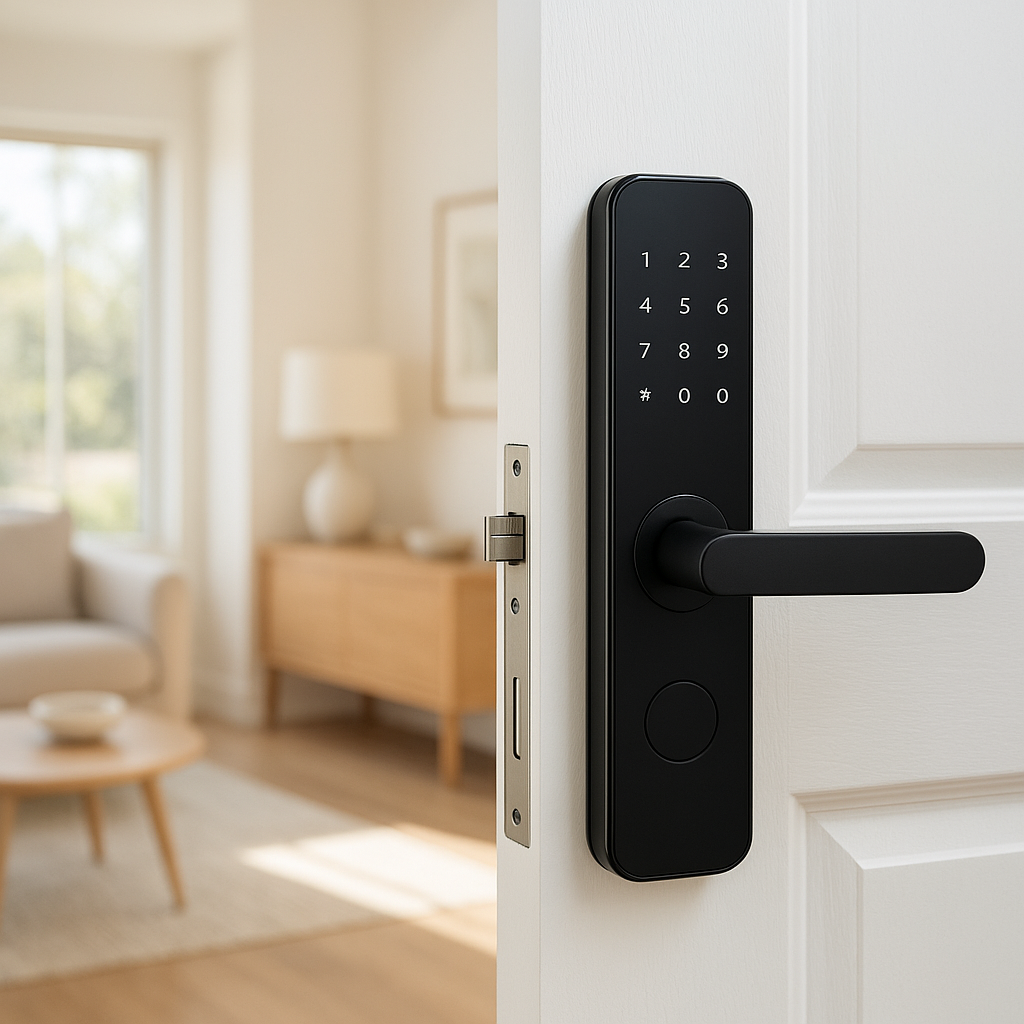
- Keyless entry (PIN pad, phone, or fingerprint on some models)
- Easier to give and revoke guest access (codes, e-keys)
- Activity logs: see who unlocked and when
- Integrates with alarms, cameras, and routines (e.g., lock when you arm the system)
>
- Smart locks – Cons
- Batteries and electronics can fail or be misconfigured
- More complex setup: apps, accounts, and updates
- Potential privacy concerns with cloud-connected models
- Cheaper smart locks sometimes use weaker hardware
>
When a smart lock is a clear upgrade—and when it isn’t
A smart deadbolt is a clear upgrade when:
- You regularly need to let people in while you’re away (dog walkers, cleaners, guests).
- Family members often forget to lock the door and you want auto-lock or lock reminders.
- You’d benefit from a log of entries and exits (short-term rentals, shared homes).
- You already have a smart security system and want the lock to tie into alarms and cameras.
A smart lock is not a clear upgrade when:
- Your internet is flaky and you don’t want to troubleshoot connectivity.
- Everyone in the home struggles with apps, passwords, and phone management.
- Your door and frame are weak; upgrading the lock alone won’t fix easy kick-in points.
- You want a “set it and forget it” lock that will work the same 10 years from now.
Who this guide is for (homeowners, renters, Airbnb hosts, families)
This guide is especially useful if you are:
- Homeowners deciding between upgrading your existing deadbolt or investing in a smart system.
- Renters wondering what you’re allowed to install and whether a retrofit smart lock makes sense.
- Short-term rental / Airbnb hosts looking for a practical way to handle guest check-ins without keys.
- Families juggling kids, relatives, cleaners, or caregivers who need flexible but safe access.
How a Traditional Deadbolt Works (and Its Real-World Security Limits)
Basic mechanics of a regular deadbolt and strike plate
A traditional deadbolt is a purely mechanical device:
- The cylinder accepts the key and turns when the correct key is inserted.
- The bolt (usually 1″ throw on residential locks) extends into the door frame when locked.
- The strike plate on the frame reinforces the hole where the bolt sits.
- The lock body is mounted through the door; the bolt passes through a hole into the frame.
The real strength comes not just from the lock but from the door, frame, and strike plate. A high-grade Schlage or Medeco deadbolt installed in a flimsy frame with a short, thin strike plate is still easy to kick in.
Common attack methods: picking, bumping, kicking, and prying
Mechanical deadbolts are generally attacked in four ways:
- Picking: Manipulating the pins inside the cylinder to turn it without the key. Better cylinders resist this with security pins and tighter tolerances.
- Bumping: Using a specially cut “bump key” and a tap to momentarily align pins and turn the cylinder. Anti-bump features and restricted keyways help here.
- Kicking / ramming: The most common real-world method. The intruder targets the weakest part of the system—often the strike plate and frame.
- Prying / spreading: Using tools to force the door away from the frame near the latch or deadbolt.
High-quality mechanical deadbolts (ANSI/BHMA Grade 1 or 2) combined with a reinforced strike plate and solid frame can resist casual attacks very well. They won’t stop someone with time, tools, and no neighbors watching, but they dramatically raise the effort required.
Situations where a quality mechanical deadbolt is still enough
A regular deadbolt is often completely adequate if:
- Your neighborhood risk is moderate and you already have good doors and lighting.
- You don’t need remote access or access logs.
- Everyone in the home is comfortable managing physical keys.
- You rarely have guests or service workers who need temporary access.
In these cases, investing in a solid mechanical lock (for example, a Schlage B60/B62 Grade 1 deadbolt with a reinforced strike plate) plus door reinforcement often gives a better security return than adding electronics.
What Makes a Lock “Smart”? Core Features Explained
Connectivity options: Bluetooth, Wi‑Fi, Z-Wave, Thread, Matter
Smart locks add connectivity so they can be controlled by phones, hubs, or cloud services. Common options include:
- Bluetooth: Direct phone-to-lock connection. Often more private and power-efficient, but limited remote access unless paired with a hub (e.g., August Smart Lock with a Wi‑Fi bridge).
- Wi‑Fi: Connects directly to your router. Enables remote access through an app anywhere, but uses more battery and depends heavily on your network (e.g., Schlage Encode, Yale Assure 2 Wi‑Fi).
- Z-Wave / Zigbee: Low-power protocols that talk to a smart hub (Samsung SmartThings, Ring Alarm). Reliable for automation; the hub provides cloud/remote access.
- Thread + Matter: Newer standards focused on reliability and interoperability. Some recent locks (like certain Yale and Level models) are adding support so they work smoothly across ecosystems.
Smart features that actually matter for security (not just convenience)
Not all “smart” features improve security. Features that genuinely help include:
- PIN codes / user profiles: Create unique codes for each person and delete them instantly.
- Access schedules: Only allow certain codes at certain times (cleaner code valid Tuesdays, 9–12).
- Automatic lock: Re-lock after a set time or when the door is closed (some locks use door-position sensors).
- Activity logs: See which code unlocked and when, useful for rentals and shared homes.
- Integration with alarms: Lock can arm/disarm systems or trigger cameras to record on unlock.
Features that are mostly convenience: phone proximity unlock, fancy animations in apps, or sharing keys via social apps. Nice to have, but they don’t move the needle much for security.
Where smart locks fit into an overall smart security system
A smart lock is just one layer in a broader security plan. It works best when combined with:
- Video doorbells (Ring, Nest, Eufy): See who is at the door when the lock is used.
- Alarm systems (Ring Alarm, SimpliSafe, Abode): Auto-arm when you lock, disarm when trusted codes unlock.
- Outdoor lighting: Motion-activated lights near the entry discourage tampering.
- Sensors: Door/window sensors that alert if the door is opened without being unlocked first.
Security Showdown: Smart Lock vs Regular Deadbolt
Physical strength: bolt, housing, and grade ratings (ANSI/BHMA)
Whether smart or regular, the physical lock hardware matters most for resisting brute force. Look for:
- ANSI/BHMA Grade 1: Highest residential strength, more cycles, and better resistance to forced entry.
- Solid bolt and reinforced strike plate: At least 3″ screws into the wall stud, not just the trim.
- Metal construction: Avoid flimsy plastic housings, especially on the exterior side.
Some smart locks are built on top of solid mechanical platforms (e.g., Schlage Encode built on Schlage’s high-grade hardware). Others prioritize aesthetics and slim profiles over brute strength. If you go smart, don’t trade away basic physical robustness.
Digital attack surface: hacking, replay attacks, and weak passwords
Smart locks add a digital layer, which adds new risks:
- Weak account passwords: Using the same password as your email or social accounts makes it easier for attackers to get into your lock’s cloud account.
- Replay or relay attacks: In rare cases, poorly designed wireless protocols can be captured and reused. Good manufacturers use encryption and time-based tokens to reduce this risk.
- Unpatched vulnerabilities: If the vendor stops updating the lock’s firmware, discovered flaws might stay unpatched.
To reduce these risks, pick reputable brands, enable two-factor authentication (2FA) on your account, and keep firmware updated. In practice, most break-ins still happen through doors or windows being left unlocked or kicked in, not through Hollywood-style hacking, but the risk is non-zero.
Power and reliability: batteries, backup keys, and fail-safe modes
Smart locks rely on power, usually AA or CR123 batteries. Good models will:
- Warn you weeks in advance in the app and on the keypad when batteries are low.
- Allow mechanical key override (e.g., Schlage Encode, Yale Assure with key).
- Offer external power pads (a 9V touchpad) for emergency power to enter a code.
Wi‑Fi models use more power, so battery changes are more frequent than Bluetooth or Z-Wave equivalents. If you go keyless-only (no cylinder), you must be more disciplined about battery changes and backups.
Privacy and data concerns: access logs, cloud access, and vendors
Smart locks often keep logs of entries and exits. Those logs may be stored locally, in the app, or in the vendor’s cloud. Consider:
- Who can see logs: Is data shared with property managers, partners, or third parties?
- Where data lives: Cloud-only vs local hub vs on-device storage.
- Vendor reputation: Long-standing brands tend to have clearer policies and better security practices.
If privacy is a priority, look for locks that support local-only control via Home Assistant, Apple Home, or another local hub, and review the vendor’s privacy policy before connecting your lock to the cloud.
When a Smart Lock Actually Makes Sense
Busy families and frequent visitors (kids, cleaners, caregivers)
Households with lots of comings and goings benefit most from smart locks. Examples:
- Kids use PIN codes or phone-based unlocks instead of carrying keys they might lose.
- Cleaners or caregivers get unique codes you can restrict to specific days and times.
- Relatives can be given app-based access or a temporary code for visits.
Here, a keypad smart lock such as the Yale Assure or Schlage Encode gives real advantages over a basic deadbolt without sacrificing too much simplicity.
Short-term rentals and Airbnb-style guest access
For hosts, a smart lock can be almost essential:
- Send guests a unique code that only works for the length of their stay.
- Avoid key exchanges, lockboxes, and rekeying between guests.
- See when guests actually check in or if cleaners have arrived.
Systems like Yale + August with Airbnb integration, or Schlage integrated with property management tools, can automate a lot of this. Here, a regular deadbolt quickly becomes a hassle and a security liability.
Multi-unit buildings, shared entrances, and remote management
In small apartment buildings, duplexes, or shared homes, smart locks can:
- Provide separate codes for each tenant on a shared entrance.
- Let property managers unlock doors remotely for maintenance.
- Automatically remove access when tenants move out.
This works particularly well with Z-Wave or Wi‑Fi locks tied into a central hub or property management platform.
Aging in place: accessibility and emergency access
For older adults or people with limited mobility, smart locks can:
- Eliminate fumbling with small keys and keyholes.
- Allow caregivers entry at set times without distributing physical keys.
- Provide emergency access to trusted neighbors or family.
Look for models with large, well-lit keypads and clear feedback sounds, or fingerprint options like some Ultraloq or Eufy locks.
When You’re Better Off With a High-Quality Regular Deadbolt
Homes with unreliable internet or frequent power issues
If your internet drops constantly or your Wi‑Fi coverage is weak at the front door, a cloud-dependent smart lock will be frustrating. While the lock usually still works locally (keypad or Bluetooth), you lose much of the “smart” benefit.
In these cases, a robust mechanical deadbolt with a high-security cylinder and reinforced frame will provide consistent, predictable protection.
Low-risk properties where complexity adds more risk than benefit
For some homes—say, a small condo with a staffed lobby or buildings with strong access control at the perimeter—the front door deadbolt isn’t the primary security layer. Adding a complex, cloud-connected device might simply create more things to misconfigure or forget to update.
Here, a quality Grade 2 or Grade 1 mechanical lock is usually enough, especially when combined with building security.
Users who struggle with apps, passwords, and updates
Smart locks are safest when accounts are protected, apps are updated, and settings are reviewed occasionally. If the primary residents are not comfortable with managing accounts and updates, a smart lock might degrade security over time.
In that scenario, a straightforward deadbolt that you can use and maintain confidently is the safer option.
Key Features to Look For in a Secure Smart Deadbolt
Lock grades, certification, and tamper resistance
Focus on the underlying hardware first:
- Prefer ANSI/BHMA Grade 1 where possible for front doors.
- Look for hardened strike plates with long screws and metal reinforcement.
- Check for drill resistance and pick resistance in the cylinder, especially on keyed models.
Brands like Schlage, Yale, and Kwikset’s higher-end lines often publish grade ratings clearly. Avoid no-name smart locks with vague claims and no independent certification.
Strong authentication: PIN, biometrics, and 2FA-compatible apps
Good smart locks should support strong ways to prove you are you:
- Per-user PIN codes with configurable length and lockout after too many failed attempts.
- Biometrics on selected models (fingerprint readers) that are reliable and weather-resistant.
- App accounts with 2FA so even if someone guesses your password, they can’t easily control your lock.
Local control vs cloud dependence (and why it matters)
Local control means you can lock/unlock and manage codes on your home network without going out to the internet. Benefits:
- Your lock still works fully even if the vendor’s cloud service is down.
- Less data leaves your home.
- You’re less tied to one company’s app.
Locks that support Apple Home, Z-Wave, or Matter through a hub often offer stronger local control than cloud-only Wi‑Fi models.
Auto-lock, geofencing, and activity history: security vs annoyance
Some features can either help or annoy, depending on tuning:
- Auto-lock: Great for forgetful households; can be annoying if set too aggressively and you’re taking out the trash.
- Geofencing: Unlocks when your phone approaches home. Convenient, but may misfire if GPS is inaccurate or your phone battery dies.
- Activity history: Very useful for rentals and shared homes; less critical for single-occupant setups.
Plan to spend a little time customizing these settings during the first week or two of ownership.
Installation: Smart Lock vs Regular Deadbolt Practical Considerations
Retrofit smart deadbolts vs full replacement smart locks
You’ll encounter two main styles:
- Retrofit locks (e.g., August, SwitchBot): Replace only the interior thumbturn. You keep your existing exterior hardware and keys. Great for renters or people with high-end mechanical locks they don’t want to replace.
- Full replacement locks (e.g., Schlage Encode, Yale Assure, Level Lock): Replace the entire deadbolt, inside and out. Cleaner look and better integration of keypad and electronics.
Retrofit is easier in apartments and for preserving aesthetics, but check compatibility with your existing lock.
Checking door alignment, strike plate, and frame reinforcement
Before installing any lock—smart or not—check the basics:
- Does the deadbolt extend and retract smoothly without needing to push/pull the door?
- Is the strike plate solid, with long screws into the framing?
- Is the door itself solid-core or metal-clad, not a flimsy hollow-core interior door?
Poor alignment can strain a smart lock’s motor and drain batteries quickly. Fix mechanical issues before adding electronics.
DIY vs professional installation and common mistakes to avoid
Most modern smart locks are designed for DIY installation with a screwdriver. Consider professional help if:
- Your door is old, warped, or non-standard thickness.
- You’re not comfortable chiseling a new mortise for a reinforced strike.
- You want the lock integrated cleanly with an existing alarm system or hub.
Common DIY mistakes include overtightening screws (binding the lock), misaligning the bolt, and skipping strike plate upgrades.
Everyday Use: Convenience, Habits, and Failure Scenarios
Lost keys vs dead batteries: which failure is more likely?
Mechanical locks fail mostly through lost or copied keys and people forgetting to lock. Smart locks fail mostly through low batteries, network issues, or misconfigured settings.
For many households, lost keys happen more often than dead batteries—especially if you set calendar reminders to change batteries once or twice a year. If your home constantly deals with misplaced keys, a smart lock can reduce day-to-day friction and some security risk.
Handling lockouts, phone loss, and app glitches safely
Plan for failure in advance:
- Choose a smart lock with a keypad or physical key backup, not app-only.
- Write down a master code and store it securely (not on a sticky note next to the door).
- Set up at least two user accounts (e.g., partners) who can control the lock, so one lost phone isn’t a crisis.
- Keep contact info for local locksmiths in your phone and somewhere offline.
Teaching family members and guests how to use a smart lock
A lock only helps if everyone can use it correctly. For families and guests:
- Give a quick 30-second demo on entering the PIN and locking the door.
- Explain what to do if the keypad or app doesn’t respond (use the key or call you).
- For kids, keep codes simple but unique and remind them not to share with friends.
Integrating a Smart Lock With the Rest of Your Smart Home
Connecting to smart cameras, doorbells, and alarms
Integration is where smart locks really shine:
- Pair with a video doorbell (Ring, Nest, Eufy) so you can unlock for visitors while watching them on camera.
- Link with an alarm system so disarming the alarm can unlock the door, or locking it can arm the system.
- Use chimes and notifications to know when the door is unlocked unexpectedly.
Automations: lock when you leave, unlock with disarm, custom scenes
Common, useful automations include:
- Lock when everyone leaves: Use presence detection to lock doors when all phones leave the geofence.
- Unlock on disarm: Disarming the alarm system unlocks the door for easier entry with arms full of groceries.
- Night mode scene: One tap or voice command turns off lights, locks doors, and arms the alarm.
Most smart platforms (Alexa Routines, Google Home, Apple Home, SmartThings, Home Assistant) can handle these scenarios.
Voice assistants and smart hubs: Alexa, Google, HomeKit, and Matter
Many locks support voice assistants, but use them carefully:
- Allow voice locking freely (“Alexa, lock the front door”).
- Require a PIN for voice unlocking to prevent someone yelling through a window to unlock the door.
- Consider Matter or HomeKit-compatible locks if you want more local control and long-term ecosystem stability.
Security Best Practices for Any Front Door Lock
Reinforcing the door frame, strike plate, and hinges
Whether you choose smart or regular, strengthen the weak points:
- Install a heavy-duty strike plate with 3–4″ screws into the stud.
- Consider a door reinforcement kit that wraps around the latch and deadbolt areas.
- Use security hinges with non-removable pins or hinge bolts on outward-swinging doors.
Choosing the right door hardware and lock grade for your area
Match your hardware to your environment:
- Higher-risk or isolated areas: favor Grade 1 locks, solid-core doors, and strong frames.
- Low-risk urban apartments: Grade 2 may be adequate if there’s good building security.
- Coastal or humid climates: choose corrosion-resistant finishes and weather-sealed electronics.
Layering security: lighting, cameras, and sensors around the entry
No lock can protect a totally dark, hidden doorway by itself. Improve the whole entry:
- Add motion-activated lights around the front door.
- Install a doorbell camera or small camera watching the door.
- Use contact sensors on doors and nearby windows to alert you to forced entry attempts.
Smart Lock vs Regular Deadbolt: Decision Checklist
Quick questions to decide if a smart lock is right for your home
Ask yourself:
- Do I frequently need to let people into my home when I’m not there?
- Do household members often forget to lock the door?
- Is my Wi‑Fi reliable at the front door, and am I comfortable managing apps?
- Would entry logs and per-person codes actually change how I manage access?
- Am I willing to maintain batteries and occasionally update firmware?
If you answered “yes” to most of these, a smart lock can be a real upgrade. If not, a high-quality mechanical deadbolt may be the more dependable choice.
Example setups: budget, balanced, and premium security options
Here are three example approaches:
- Budget (mechanical-focused)
- ANSI/BHMA Grade 2 or Grade 1 deadbolt (e.g., Schlage B60)
- Reinforced strike plate with 3″ screws
- Good outdoor lighting and a basic door viewer or peephole
>
- Balanced (smart plus strong hardware)
- Smart keypad deadbolt on a Grade 1 platform (e.g., Schlage Encode, Yale Assure)
- Reinforced door frame and strike, contact sensor on the door
- Wi‑Fi or hub integration for notifications and basic automations
>
- Premium (layered security)
- High-grade smart lock with local integration (Z-Wave/Thread + hub)
- Video doorbell covering the entry, motion lighting
- Monitored alarm system tied to the lock (arm/disarm on lock/unlock)
- Additional sensors and cameras covering other likely entry points
>
Final recommendations by home type (apartment, townhouse, single-family)
Apartment / condo:
- If the building has strong perimeter security, a high-quality regular deadbolt is usually fine. Add a retrofit smart lock (like August) if you want keypad or app control without changing the exterior hardware.
Townhouse / row house:
- Consider a full smart deadbolt with keypad plus a video doorbell. Focus on reinforcing the door and frame since street access is direct.
Single-family home:
- A smart lock is most compelling here, especially combined with lighting, cameras, and an alarm system. Just remember that the door, frame, and surrounding environment are as important as the lock itself.
A smart deadbolt can absolutely improve home security—but only when it’s built on strong physical hardware, installed on a solid door and frame, and managed thoughtfully. For many homes, that combination of strong metal and smart control is the sweet spot.
FAQ
Are smart locks easier to break into than regular deadbolts?
Most real-world break-ins still happen through unlocked doors or brute force, not digital hacking. A reputable smart lock with Grade 1 or 2 hardware is not inherently easier to defeat than a quality regular deadbolt. The bigger risks come from weak account passwords, poor installation, and flimsy doors or frames.
Do I need Wi‑Fi for a smart lock?
No. Many locks work over Bluetooth or Z-Wave and can be controlled locally without Wi‑Fi. However, Wi‑Fi (or a hub connected to the internet) is required for remote control and notifications when you’re away from home.
What happens if the batteries die on a smart lock?
Most locks give weeks of low-battery warnings. If the batteries are completely dead, you typically have a mechanical key override or an emergency power option (such as touching a 9V battery to contacts and entering a code). Always choose a model with at least one reliable backup method.
Can I install a smart lock in a rental?
Often yes, especially if you use a retrofit model that doesn’t change the exterior hardware. Always check your lease and ask your landlord. In many cases, landlords appreciate better access control as long as they retain a way to access the unit if needed.
Is a keypad safer than a physical key?
A keypad avoids risks from lost or copied keys and lets you revoke access instantly. However, you must use unique, non-obvious codes and clean the keypad occasionally to avoid smudge patterns giving away the code. In practice, a keypad combined with good codes and logs is usually safer than a shared physical key for busy households.