Choosing between Home Assistant, Amazon Alexa, and Google Home is no longer just about which smart speaker you like. By 2026, these platforms have grown into full ecosystems that shape how you buy devices, how private your home is, and how far you can push automation.
If you’re the person friends ask for help with their routers, if you run more than a dozen smart devices, or if you want your home to react intelligently instead of just following simple schedules, this guide is for you. We’ll look at Home Assistant vs Alexa vs Google Home specifically through the lens of power users and ambitious homeowners.
We’ll compare how they differ in automation power, local control, privacy, hardware needs, long‑term strategy, and what kind of user each platform really suits best.
Overview: Home Assistant vs Alexa vs Google Home in 2026
What we mean by “power users” in the smart home world
In this article, “power users” are people who:
- Run more than just a few bulbs and a smart speaker.
- Care about reliability, not just fun party tricks.
- Want automations that react to presence, time, sensors, and context.
- Think about privacy, data control, and vendor lock‑in.
- Are willing to tinker a bit to get a better result.
You don’t need to be a programmer to be a power user. You just need curiosity and a desire to make your home do more than the basics.
Quick comparison table: core strengths and weaknesses
Here’s a high‑level comparison of Home Assistant vs Alexa vs Google Home for power users:
| Platform | Core Strengths | Main Weaknesses | Best For |
|---|---|---|---|
| Home Assistant | Local control, deep customization, huge device compatibility, privacy | More setup effort, steeper learning curve, DIY maintenance | Tinkerers, privacy‑focused users, complex automations |
| Amazon Alexa | Great voice control, wide device support, easy routines, mature ecosystem | Cloud‑dependent, limited advanced logic, data collection tied to Amazon | Convenience‑first users, households heavily invested in Amazon |
| Google Home | Strong natural language, good context awareness, tight Google integration | Inconsistent device support history, fewer advanced automation tools, cloud‑centric | Users deep in Google services (Gmail, Calendar, Nest) |
How these platforms have evolved by 2026
By 2026, a few shifts are clear:
- Home Assistant has become more user‑friendly with better UI automations, official integrations, and improved backups, while keeping its local‑first philosophy.
- Alexa continues to add AI features and smarter routines, but remains tightly bound to Amazon’s cloud and services.
- Google Home leans further into AI and context (who is speaking, where, and when), but device support and policy changes still worry some power users.
- Matter and Thread have improved cross‑platform compatibility, but they have not erased all differences between ecosystems.
Platform Foundations: Architecture, Ecosystems, and Philosophy
Home Assistant: open‑source, local‑first, community‑driven
Home Assistant is an open‑source platform you run on your own hardware. Its core philosophy:
- Local first: Most automations and device control happen inside your home network.
- Privacy‑respecting: Data is stored locally unless you choose to sync something to the cloud.
- Community‑driven: Thousands of contributors add integrations, blueprints, and add‑ons.
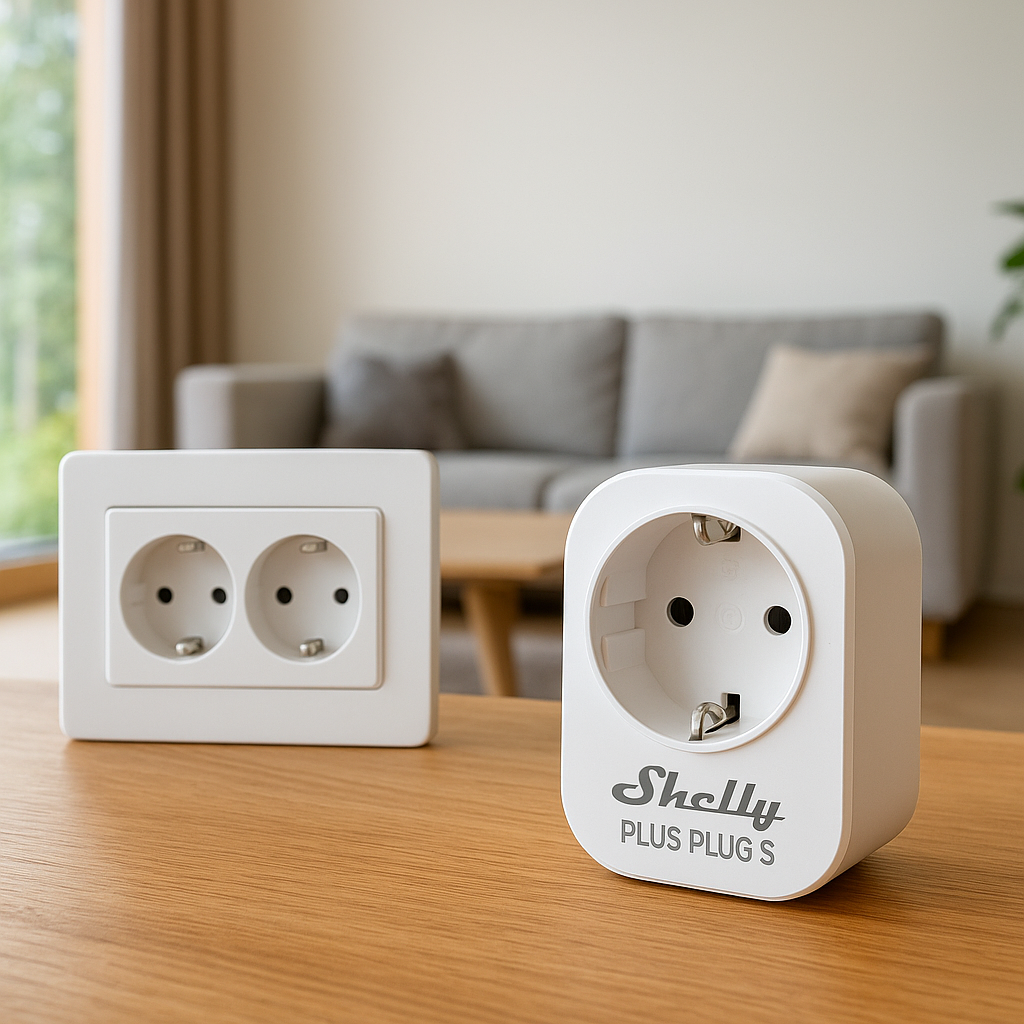
You can think of Home Assistant as the “operating system” for your smart home, giving you a unified way to manage Philips Hue, Shelly relays, Zigbee sensors, Z‑Wave locks, cameras, and more from one dashboard.
Amazon Alexa: cloud‑centric, skill‑based, commerce‑powered
Alexa is built around Amazon’s cloud. Your Echo speakers and displays act as front‑ends to a powerful voice and automation engine in Amazon’s data centers.
- Skills model: Third‑party developers create “skills” and integrations that extend Alexa’s abilities.
- Commerce integration: Shopping lists, reorders, and Amazon services are core features, not add‑ons.
- Cloud automations: Routines and many device interactions depend on an internet connection.
This design is convenient: setup is simple, and non‑technical users can get useful routines quickly. The tradeoff is dependence on Amazon’s cloud and data policies.
Google Home: Assistant‑driven, AI‑first, tightly linked to Google services
Google Home centers on Google Assistant and your Google account. It leans on AI for natural conversation, context awareness, and predictions.
- Assistant‑first: Voice and natural language are the primary interface.
- Tight service integration: Gmail, Calendar, YouTube, Nest, and Chromecast all tie in smoothly.
- Cloud intelligence: Most of the “smarts” live in Google’s cloud, not your local network.
For users who already live in Google’s ecosystem, this can feel seamless. For power users, the challenge is less transparent control over devices and automations.
Ecosystem lock‑in vs interoperability (Matter, Thread, Zigbee, Z‑Wave, Wi‑Fi)
Underlying radio protocols play a big role in how locked‑in you are:
- Wi‑Fi: Easy installation, but more load on your router. Works with all three platforms.
- Zigbee and Z‑Wave: Need hubs or coordinators. Great for low‑power sensors, switches, and locks.
- Matter and Thread: New standards aimed at making devices work across ecosystems and improving reliability.
Home Assistant can host or connect to Zigbee, Z‑Wave, and Thread/Matter controllers, often acting as a bridge between platforms. Alexa and Google increasingly support Matter and Thread directly in their speakers and hubs, but you are still logically tied to their clouds for voice and many automations. The radios may be interoperable; the ecosystems are less so.
Device Compatibility and Ecosystem Breadth
Home Assistant: integrating niche devices, DIY hardware, and legacy protocols
Home Assistant shines when your setup isn’t just mainstream bulbs and plugs. Examples of what it can integrate:
- Obscure zigbee sensors and switches from manufacturers like Aqara or Sonoff.
- DIY ESPHome devices (custom sensors, relays, LED controllers).
- Legacy gear such as 433 MHz RF remotes (via bridges), RS‑232‑controlled AV receivers, or older IP cameras.
- Energy monitors, solar inverters, and heat pumps that expose local APIs.
The community adds integrations quickly, documented in the official Home Assistant documentation, which makes it a favorite for people mixing off‑the‑shelf devices with DIY hardware.
Alexa: broad mainstream device support and partner ecosystem
Alexa’s strength is breadth among mainstream consumer brands. If you buy popular products from Philips Hue, TP‑Link Kasa, Ecobee, Ring, Eero, or Yale, chances are they work out of the box with an Echo device.
Big manufacturers often prioritize Alexa support, so you’ll see “Works with Alexa” labels on boxes and online listings. For power users, this makes it easy to standardize your family’s experience: one wake word, consistent commands, and a single app to show devices grouped by room.
Google Home: strengths and gaps in supported brands and categories
Google Home supports many of the same mainstream brands, especially those that already integrate with Nest, Chromecast, or Android. Lighting, plugs, thermostats, and cameras from major vendors usually work fine.
However, historically, Google has changed smart home strategies more often than Amazon. That has led to gaps or temporary breaks, especially for niche brands or certain categories. For a power user planning a long‑term system, this uncertainty is something to weigh against Google’s strengths in AI and voice.
Matter and Thread in 2026: how much do they really level the playing field?
Matter and Thread aim to make device support more predictable and cross‑platform. A Matter‑certified plug should, in theory, work with Home Assistant, Alexa, and Google Home, with the hub or speaker acting as a Matter controller.
In practice, Matter does help:
- Basic functions (on/off, brightness, temperature) are more consistent across platforms.
- You’re less likely to be completely stuck if you change ecosystems.
- Thread improves reliability and battery life for sensors and switches.
But platforms still differ in how deeply they expose device features, what automation options you get, and how polished the setup experience is. Matter is a foundation, not a full equalizer.
Automation Power and Flexibility
Rule engines and scenes: how each platform handles complex logic
Complex automations usually involve combinations of:
- Triggers (time, motion, door opens, sun position, presence).
- Conditions (only when someone is home, only at night, only on weekdays).
- Actions (turn on lights, adjust thermostat, send notification, run a script).
All three platforms offer basic scenes and routines. The difference shows up when you want layered conditions and multiple branches of logic.
- Home Assistant supports advanced condition trees, templates, and scripts, allowing very granular control.
- Alexa offers more limited branching and conditions, though still enough for many households.
- Google Home has improved custom routines and scripted automations, but remains less transparent than a full rule engine.
Home Assistant’s blueprints, YAML, and UI automation editor
Home Assistant gives you three main ways to build automations:
- UI automation editor: Point‑and‑click creation of triggers, conditions, and actions, suitable for most users.
- YAML automations: Text‑based configuration for version control, complex logic, and bulk editing.
- Blueprints: Shareable templates created by the community (for example, “motion‑activated lights with night‑mode dimming”).
This mix means you can start visually, then grow into more advanced configurations without switching platforms. It’s ideal for power users who like to iterate.
Alexa Routines and limitations for advanced scenarios
Alexa Routines are easy to set up: you pick triggers (voice, schedule, device change), add conditions (for example “only when I’m home”), and choose actions.
However, limitations become clear for advanced users:
- Branching logic (if/else) is limited or hidden behind specific templates.
- Some device states can’t be used as triggers or conditions.
- Complex presence logic (per‑person, per‑room) is harder to express.
For many households, these limits don’t matter. For power users building layered automations, they can be a ceiling.
Google Home automations: scripted routines, conditions, and triggers
Google Home’s custom routines support triggers like time, sunrise/sunset, device events, and voice commands. You can add conditions and multiple actions, often with strong context features (which device heard you, which room you’re in).
Script‑style automations are improving, but Google’s tools can feel like a “black box” compared to the transparency of Home Assistant’s YAML. You get less insight into why something didn’t run or how to debug complex flows.
Real‑world examples: multi‑condition, multi‑room, and presence‑based automations
Consider a typical power‑user scenario:
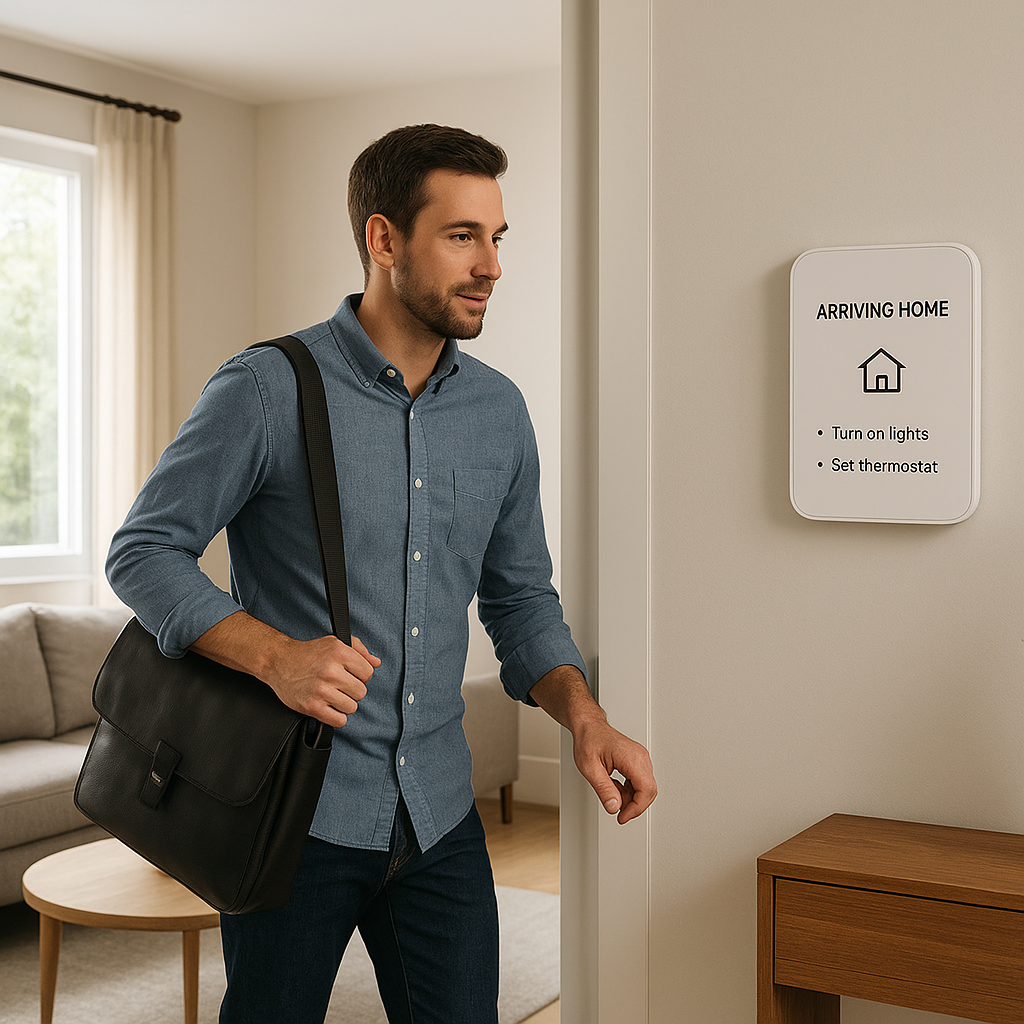
- After sunset, if someone arrives home and any exterior door unlocks, turn on porch and hallway lights, adjust HVAC, and play a welcome scene on living room lights — but only if others are already home and the alarm is disarmed.
In practice:
- Home Assistant can handle this well, combining presence detection (phones, router, car sensors), alarm state, sun position, and multiple devices in one automation.
- Alexa can approximate parts of it, but fine‑grained presence per person and multiple conditions may require workarounds.
- Google Home handles presence and time easily, but complex multi‑room logic still isn’t as rich as a full local automation engine.
Local Control, Reliability, and Speed
Local vs cloud processing: latency, offline behavior, and failover
Power users care about how things behave in three situations:
- Normal operation: How fast do actions trigger after an event?
- Wi‑Fi hiccups: What if the internet drops but your LAN is fine?
- Cloud outages: What if the vendor has an outage?
Home Assistant, when paired with local‑capable devices, keeps most logic in your home. Many automations continue to work with no internet. Alexa and Google, even with some local handling in newer devices, still rely heavily on their clouds for voice and many routines.
How Home Assistant handles local control and local dashboards
Home Assistant runs entirely on your own hardware. Dashboards (Lovelace UI) load from your server, and automations execute locally.
- Local Zigbee/Z‑Wave/Matter devices continue to respond quickly even if your ISP is down.
- You can create multiple dashboards for different family members or wall‑mounted tablets.
- Remote access is optional; many users add a VPN or a secure cloud relay.
This architecture is a big part of Home Assistant’s appeal to power users who value speed and independence.
Alexa and Google: when commands stay local and when they require the cloud
Newer Echo and Nest devices can handle some requests locally, such as basic device control for specific brands and simple smart home actions. However:
- Most voice recognition is still cloud‑based.
- Many routines trigger in the cloud, not through local hubs.
- Third‑party skills and integrations almost always depend on an internet connection.
For critical functions, you should plan around these limitations: make sure locks and alarms have their own local control paths, and don’t rely solely on cloud routines for security actions.
Reliability for critical uses (locks, alarms, heating, and energy management)
For door locks, alarm systems, heating, and energy management, power users often prefer:
- Devices with local APIs or local hubs.
- A platform that can continue basic control and automations during internet outages.
- Alerts sent through multiple channels (push, email, maybe SMS through a third‑party service).
Home Assistant paired with local‑capable devices (for example, Z‑Wave locks, wired thermostats, or local energy meters) gives a strong foundation. Alexa and Google can still play a role — especially for voice — but many power users avoid making them the only control path for safety‑critical devices.
Privacy, Data Ownership, and Security
Home Assistant’s local storage and self‑hosting model
Home Assistant stores data locally by default: device history, logs, automations, and dashboards live on your own server. You choose if and how to expose it remotely.
This gives you:
- More control over retention and backups.
- No automatic profiling for advertising.
- The ability to disconnect from the internet entirely and still have a functioning smart home (with appropriate devices).
What Alexa collects and how voice/activity data is used
Alexa collects voice recordings, device interactions, and usage data to improve recognition and personalize features. You can review and manage much of this data in your Amazon account settings, but the platform’s business model still revolves partly around commerce and recommendations.
Power users should:
- Review privacy and history settings in the Alexa app.
- Disable or limit features they don’t need, like voice purchasing.
- Use separate household profiles or kids’ accounts where appropriate.
What Google Home collects and how it ties into your Google account
Google Home ties voice interactions, device data, and activity history to your Google account. This can improve Assistant’s performance and personalization, but also concentrates a lot of information about your daily routines in one place.
You can manage much of this through the My Activity page and Google Account privacy controls. It’s worth understanding how data from Google Home may interact with other Google services you already use.
Security best practices for each platform (accounts, network, and backups)
Regardless of platform, power users should follow a few basics:
- Enable multi‑factor authentication on Amazon, Google, and any external account connected to your smart home.
- Segment your network so IoT devices are on a separate VLAN or SSID when possible.
- Use strong, unique passwords stored in a password manager.
- Back up Home Assistant regularly and store backups off‑device.
For an overview of common smart home communication standards and associated risks, the Matter protocol article on Wikipedia provides useful technical background.
Voice Assistants, Interfaces, and User Experience
Comparing voice recognition, responsiveness, and natural language in 2026
Alexa and Google Assistant remain ahead in raw voice interaction quality. Both understand natural phrasing, handle follow‑up questions, and recognize different voices in a household.
Home Assistant has added its own local voice options and can also integrate with third‑party voice assistants, but for most users, Alexa or Google still offer smoother, more forgiving voice control.
App and dashboard experiences: configuration vs everyday use
Day‑to‑day, your family wants simple controls; you, as the power user, want configuration depth.
- Home Assistant splits these roles well: you can create simple dashboards for family members and keep the complex configuration pages to yourself.
- Alexa focuses on quick access to devices, groups, and routines, with less emphasis on detailed visualization.
- Google Home emphasizes a clean, minimal interface with a focus on rooms and quick actions, but provides fewer knobs for fine‑tuning.
Multi‑user support, household roles, and guest access
All three platforms support multiple users, but with different depth:
- Alexa and Google both do voice matching and profile‑specific responses reasonably well (calendars, messages, some routines).
- Home Assistant separates access via user accounts and permissions, and you can expose only selected dashboards or controls.
For guest access (temporary visitors, cleaners, pet sitters), wall‑mounted tablets running Home Assistant dashboards or simple physical buttons and switches often work better than trying to train everyone on voice commands.
Accessibility and family‑friendliness for non‑technical users
From a family‑friendliness perspective:
- Alexa and Google Home are easier for technophobes and kids: just talk to the device or tap simple tiles in the app.
- Home Assistant requires more initial setup, but once configured, it can offer very simple, tailored dashboards and scenes.
A common pattern is to let power users live in Home Assistant while the rest of the household mostly interacts via voice (Alexa or Google) and a few well‑designed dashboards and switches.
Integrations for Power Users: APIs, Scripting, and Third‑Party Services
Home Assistant integrations: REST, Webhooks, Node‑RED, MQTT, and Add‑ons
Home Assistant excels at advanced integrations:
- REST and webhooks: Connect to almost any service with an HTTP API.
- MQTT: Integrate DIY devices, sensors, and brokers.
- Add‑ons: Run supporting services like Node‑RED, Zigbee2MQTT, or databases directly alongside Home Assistant OS.
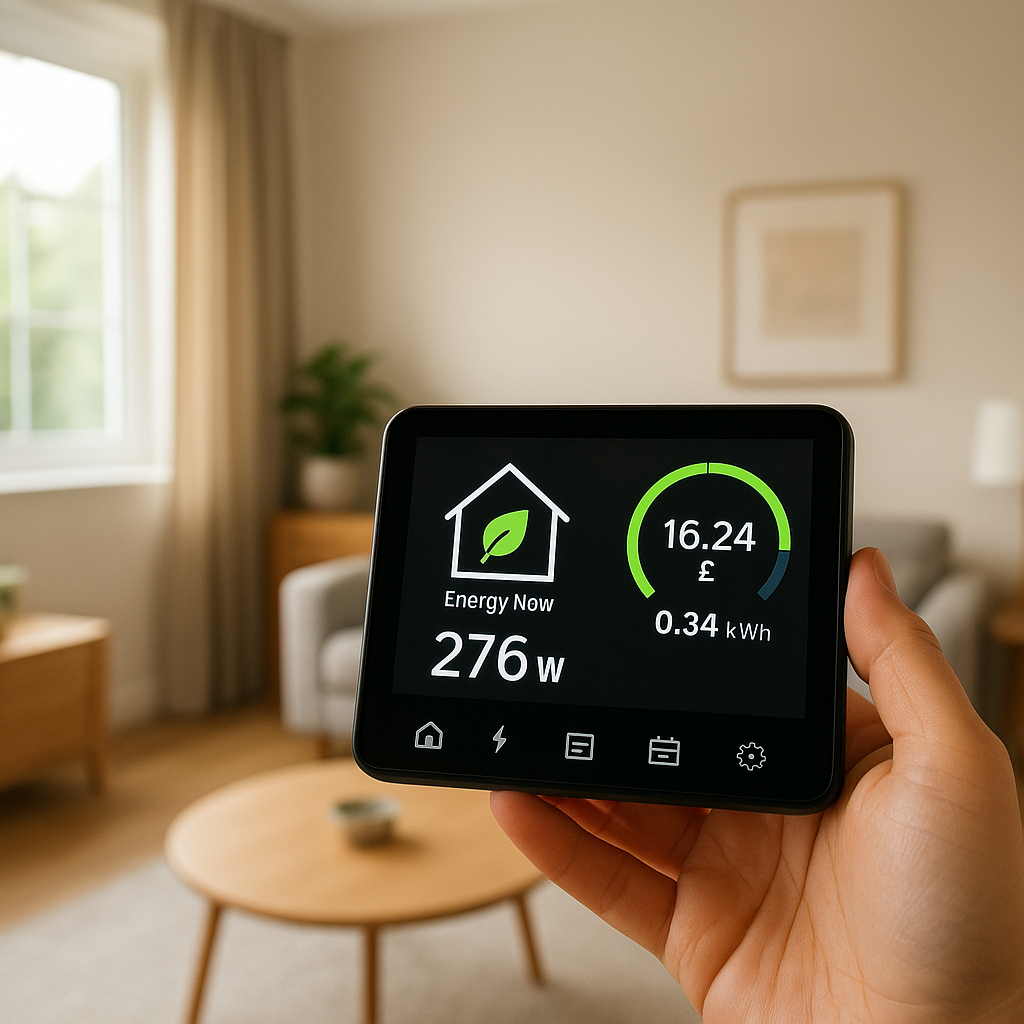
- Native integrations: Hundreds of built‑in components for energy monitoring, presence detection, media players, and more.
This makes it possible to tie your smart home into tools like Grafana dashboards, external notification services, or custom scripts.
Alexa skills, APIs, and third‑party services for automation
Alexa offers APIs and the Alexa Skills Kit for developers. For power users, the main benefits are:
- Connecting commercial SaaS services (for example, security systems, calendars).
- Triggering smart home actions through external services such as IFTTT or automation platforms that integrate with Alexa.
The downside is that most of this is cloud‑based. Fine control over timing, reliability, and data retention is harder than with a local engine like Home Assistant.
Google Home and Google Assistant integrations with cloud services
Google Home integrates well with productivity and media services (YouTube, Calendar, Meet, Chromecast). Some third‑party cloud services also connect through Google Assistant Actions.
For power users, this is useful for scenarios such as voice‑controlled meetings, reminders that consider your calendar, or media scenes that coordinate lights and streaming on a Chromecast device.
Connecting everything together: Home Assistant as a bridge for Alexa/Google
A popular strategy is to run Home Assistant as the “brain” and use Alexa or Google purely for voice and basic control.
- Home Assistant integrates with Alexa/Google as if it were a big virtual hub.
- You expose selected devices and scenes from Home Assistant to your chosen voice assistant.
- Complex logic remains in Home Assistant; voice assistants just trigger scenes and automations.
This hybrid model gives you the best of both worlds: deep control and local reliability, plus simple voice commands for the household.
Hardware Requirements, Hubs, and Network Considerations
What you need to run Home Assistant (Raspberry Pi, NUC, NAS, cloud)
To run Home Assistant reliably you’ll want:
- A small dedicated device, such as a Raspberry Pi 4/5, Intel NUC, mini PC, or compatible NAS.
- Reliable storage (SSD is strongly preferred over SD cards for long‑term use).
- Good power and network connectivity (ideally wired Ethernet).
Many power users start on a Raspberry Pi, then upgrade to a mini PC or NUC once their system grows. Home Assistant can also run in a virtual machine or Docker container on existing home servers.
Do you still need Echo, Nest, or other hubs in a Matter world?
Matter reduces the need for brand‑specific hubs, but you may still want:
- Echo or Nest speakers for voice and as Matter/Thread border routers.
- Dedicated Zigbee/Z‑Wave sticks or hubs for older or specialized devices.
- Vendor hubs for certain ecosystems (for example, advanced settings on Philips Hue or Lutron).
Even in a Matter world, many power users run a mixed environment to get the best reliability and feature sets.
Network planning for power users: VLANs, Wi‑Fi vs wired, and IoT segregation
As your smart home grows, network design matters more:
- Wired where possible: Wire stationary hubs, bridges, and servers for stability.
- Separate IoT network: Place Wi‑Fi plugs, bulbs, and cameras on a dedicated SSID or VLAN.
- Good Wi‑Fi coverage: Use a mesh system or well‑planned access points to avoid dead zones.
This improves reliability and security, especially when dozens of devices share your network.
Backup, redundancy, and disaster recovery strategies
For power users, a smart home is part of the home’s infrastructure. Treat it like any other important system:
- Schedule automatic Home Assistant backups and copy them off‑device.
- Keep spare hardware (at least a backup SD card or SSD image, or a spare coordinator dongle).
- Document key automations and device mappings so you can rebuild if needed.
Cost of Ownership and Long‑Term Strategy
Upfront vs ongoing costs for each platform
Roughly speaking:
- Home Assistant: Higher upfront cost in time and some hardware (server, coordinator sticks, maybe tablets), but low ongoing fees if you self‑host.
- Alexa: Low hardware cost (Echo devices are often discounted), but you pay indirectly through being in Amazon’s ecosystem.
- Google Home: Similar to Alexa, with smart speakers and Nest hubs as main costs.
Device costs (bulbs, switches, thermostats) are similar across ecosystems, especially with Matter‑capable products.
Subscription services (cloud backups, AI features, advanced monitoring)
Each platform offers optional subscriptions:
- Home Assistant: Optional cloud services (e.g., remote access, cloud backups) that you can replace with DIY alternatives.
- Alexa: Some advanced security or monitoring features may be tied to subscriptions, depending on region and devices.
- Google Home: Certain Nest camera recording and advanced features often require paid plans.
Power users should factor these into long‑term budgets, especially for video storage and remote access.
Long‑term risk: product shutdowns, ecosystem shifts, and vendor lock‑in
Cloud‑centric platforms can and do change direction. Over the years, smart home products and services have been discontinued, sometimes leaving devices partially or fully unusable.
Home Assistant reduces this risk by being open‑source and self‑hosted. If a vendor shuts down a cloud, the community often builds local integrations or bridges where possible.
With Alexa and Google Home, the risk is less about immediate shutdown and more about strategic shifts that might de‑prioritize certain categories or brands. Matter helps, but it doesn’t fully eliminate dependency on big vendors.
Budgeting for a scalable smart home as your device count grows
A sensible strategy for power users:
- Invest early in a solid hub (Home Assistant hardware, plus at least one voice assistant family).
- Standardize on a few trusted brands for key categories (lighting, switches, sensors).
- Prioritize wired or low‑maintenance devices for critical infrastructure (thermostats, switches) over a proliferation of Wi‑Fi bulbs.
Thinking ahead reduces the chance you’ll have to replace large chunks of your setup later.
Which Platform Is Best for Different Types of Power Users?
Tinkerer and DIY enthusiast: maximizing control and customization
If you enjoy tinkering, building your own sensors, or integrating unusual devices, Home Assistant is the clear winner. You can:
- Run custom firmware like ESPHome or Tasmota.
- Build complex, data‑driven automations.
- Visualize energy usage, presence, and sensor data in custom dashboards.
Alexa or Google can still sit on top for voice commands, but Home Assistant should be the core.
Privacy‑first power user: minimizing cloud dependence
If your top priority is privacy and local control, choose Home Assistant with local‑capable devices and consider:
- Running without cloud voice assistants, or limiting what they can access.
- Using local voice options or physical controls (switches, remotes, tablets).
- Keeping regular offline backups of your configuration.
Convenience‑first user: fastest path to “it just works”
If you mainly want things to work without a lot of configuration:
- Alexa is usually the quickest path: plug in devices, say “Alexa, discover devices,” and build simple routines.
- Google Home is similarly straightforward, especially if you already use Android, Nest, and other Google services.
For moderate setups (dozens, not hundreds of devices), these platforms can be enough without adding Home Assistant.
Hybrid approach: running Home Assistant with Alexa or Google for voice
The sweet spot for many power users is a hybrid setup:
- Home Assistant as the automation brain and local dashboard platform.
- Alexa or Google Home to provide high‑quality voice control and family‑friendly access.
- Matter, Zigbee, and Z‑Wave devices connected centrally to Home Assistant, then selectively exposed to voice assistants.
This approach gives you flexibility, reduces lock‑in, and lets you change voice ecosystems in the future without rebuilding your entire smart home.
Migration Strategies: Moving Between Platforms Without Breaking Everything
Moving from Alexa or Google Home to Home Assistant
If you already have an Alexa or Google Home setup, adding Home Assistant can be done gradually:
- Start by installing Home Assistant and connecting a few devices (for example, lights and sensors) via integrations or Matter.
- Recreate key routines as Home Assistant automations, then disable the old ones in Alexa/Google.
- Slowly move more logic over as you get comfortable.
There’s no need to rip out existing hardware; Home Assistant usually works alongside it.
Using Matter and bridges to smooth migration
Matter helps by letting the same physical device be controlled by multiple platforms. In some cases you can:
- Commission a device to Home Assistant as a Matter controller.
- Expose it to Alexa or Google for voice control.
- Keep actual logic in Home Assistant while voice assistants see a simplified view.
Bridges like Zigbee or Z‑Wave coordinators, or vendor hubs (Hue, Lutron), also act as anchors when you change cloud platforms.
Preserving automations and scenes across ecosystems
Most automations don’t transfer directly between platforms. Instead of trying to “export” routines, list out your critical behaviors:
- What should happen and when?
- Which devices and conditions are involved?
- What is safety‑critical vs nice‑to‑have?
Rebuild important automations in Home Assistant first, test them thoroughly, then remove the old versions in Alexa or Google to avoid conflicts. Treat the migration as a chance to simplify and improve your setup.
Final Verdict: Home Assistant vs Alexa vs Google Home in 2026
Summary of key pros and cons for power users
For power users, the trade‑offs look like this:
- Home Assistant: Maximum control, privacy, and flexibility, at the cost of more setup and self‑maintenance.
- Alexa: Best all‑round convenience and broad device support, but cloud‑centric with limited deep automation tools.
- Google Home: Strong AI and voice with tight integration into Google services, but with more uncertainty and fewer advanced configuration options.
A simple decision framework based on your priorities
Ask yourself:
- If you had to choose only one: do you value control and privacy (choose Home Assistant) or convenience and voice (choose Alexa or Google)?
- How comfortable are you with tinkering and learning a new interface?
- Are you okay relying on a vendor’s cloud for core functionality?
For many power users, the answer is: use Home Assistant as the core, and pair it with your preferred voice assistant.
Recommended starter setups for each platform in 2026
Here are practical starting points:
- Home Assistant‑centric: A mini PC or Raspberry Pi running Home Assistant OS, a Zigbee/Matter coordinator, a mix of smart switches and sensors (e.g., Zigbee motion and door sensors), and a wall‑mounted tablet showing your main dashboard.
- Alexa‑centric: One Echo in each main room, “Works with Alexa” smart plugs and bulbs, a compatible thermostat and door lock, plus a few routines for lighting and presence.
- Google Home‑centric: Nest Hub in the kitchen and living room, Nest doorbell and cameras, popular Matter‑capable bulbs and switches, and routines tied into Google Calendar and presence.
- Hybrid (recommended for many power users): Home Assistant as above, with Alexa or Google integrated for voice, exposing only key scenes and devices to keep things simple for the rest of the household.
Whichever path you choose, focusing on open standards, local‑capable devices, and a clear automation strategy will keep your smart home resilient and flexible for years.
FAQ
Is Home Assistant harder to use than Alexa or Google Home?
Yes, Home Assistant takes more effort to set up and understand, especially in the beginning. Alexa and Google Home are easier for simple setups. However, once configured, Home Assistant can be very user‑friendly through custom dashboards and well‑designed automations.
Can I use both Home Assistant and Alexa or Google Home together?
Yes. Many power users run Home Assistant as the core controller and integrate Alexa or Google for voice commands. Devices are connected to Home Assistant, and selected entities are exposed back to the voice assistant for simple control.
Do I need to replace all my devices to switch platforms?
Often you don’t. Many Wi‑Fi, Zigbee, and Matter devices can work with multiple platforms, sometimes through vendor hubs or bridges. The main work is usually rebuilding automations and scenes rather than swapping hardware.
Which platform is best for a large house with dozens of devices?
For large, complex setups, Home Assistant (often combined with Alexa or Google for voice) is usually the most robust option. Its local control, advanced automations, and detailed dashboards scale better than simple cloud routines.
Is Matter enough to future‑proof my smart home?
Matter helps, but it’s not a complete guarantee. It makes it easier to move devices between ecosystems and improves basic interoperability, but platforms still differ in automation power, privacy, and long‑term strategy. Using Matter‑capable devices plus a flexible controller like Home Assistant gives you the best odds of staying future‑ready.