Smart garage door controllers have quietly become one of the most useful upgrades for a secure home. They turn a regular opener into a connected device you can check and control from anywhere, which is especially valuable as more packages get delivered to our doors every week.
This guide walks you through what smart garage controllers can do, which features matter most, and how to choose the best smart garage door controller for secure package deliveries and everyday remote access. We’ll also cover setup, security best practices, and real-world troubleshooting tips so you can avoid common headaches.
Why You Need a Smart Garage Door Controller for Security and Convenience
Common problems with traditional garage door remotes
Standard garage door remotes and keypads were designed for basic convenience, not modern security. They come with a few weak spots:
- Lost or stolen remotes: Anyone who finds your remote effectively has a key to your home, especially if your address is in the car.
- No visibility: You can’t see whether the door is open or closed when you’re away. Many people drive back home just to double‑check.
- Limited access control: Giving a spare remote or keypad code to neighbors, babysitters, or cleaners means you lose track of who has ongoing access.
- No activity history: There’s no log to show when the door opened or who used it.
For package deliveries, these limitations are even more obvious: you either leave the door closed and risk a missed or stolen package, or crack security by leaving the door unlocked or telling people a permanent keypad code.
How smart controllers improve package security and access control
A smart garage door controller connects your existing opener to Wi‑Fi and a mobile app, so your phone becomes your secure remote. That simple change unlocks several security benefits for packages:
- Remote open/close: When a courier arrives, you can open the garage from your phone, watch them place the package inside, and close it again—no permanent code needed.
- Real-time alerts: Get notifications when your door opens, closes, or stays open longer than you expect.
- Temporary access: Many controllers support scheduled or one‑time access for deliveries or service visits.
- Door status awareness: The app shows whether the door is open, closed, or in motion, so you don’t have to guess.
Instead of leaving boxes in plain sight on your doorstep, you can make the garage a secure drop‑off point with clear visibility and control.
Benefits for families, frequent travelers, and renters
Different households benefit from smart garage access in different ways:
- Families: Parents can see when kids get home from school via activity notifications. You can also let trusted relatives in without hiding keys.
- Frequent travelers: Check that the door is closed from the airport, let pet sitters or cleaners in on a schedule, and verify that everything is locked up at night.
- Renters: If your landlord is okay with it, a smart controller is often reversible and less invasive than changing locks. It gives you control without needing a new opener.
For many homes, the garage is the main entry point. Upgrading that entry with smart control can be just as impactful as adding a video doorbell or smart lock.
Key Features to Look For in the Best Smart Garage Door Controller
Wi-Fi connectivity, app support, and notifications
Reliable connectivity is the foundation of a good controller. Look for:
- 2.4 GHz Wi‑Fi support: Most controllers use 2.4 GHz because it reaches further into garages than 5 GHz.
- Well-rated mobile apps: Check app ratings and reviews in the iOS App Store and Google Play for stability, ease of use, and update frequency.
- Configurable alerts: Being able to set notifications for door openings, closings, and “door left open” reminders is crucial for security.
- Multiple user support: The app should let multiple household members control the garage from their own phones.
Compatibility with existing garage openers and door types
Not every controller works with every opener. Before buying, confirm:
- Brand and year compatibility: Most major openers (Chamberlain, LiftMaster, Genie, Craftsman, etc.) are supported, but very old or proprietary systems may need a special adapter.
- Door type: Standard sectional overhead doors are usually fine. Tilt‑up or roll‑up doors may require extra attention or different sensors.
- Safety sensor compatibility: Modern openers use photo-eye sensors. Your smart controller must work with these rather than bypassing them.
If you want a deeper look at how openers are designed and wired, the article on garage door openers provides useful background.
Smart home integrations (Alexa, Google Assistant, HomeKit, IFTTT)
Good controllers integrate smoothly with the rest of your smart home:
- Amazon Alexa & Google Assistant: Voice control such as “Alexa, close the garage door,” plus routines that tie into lighting or security modes.
- Apple HomeKit: For iPhone users, HomeKit-compatible controllers show up in the Apple Home app and can be automated with other HomeKit accessories.
- IFTTT, SmartThings, and others: These platforms help you chain events together, like turning on garage lights when the door opens after dark.
Match the controller’s integrations to what you already use. That avoids juggling multiple apps and makes automations much easier to build.
Security features: encryption, activity logs, user permissions, geofencing
Because your garage is a critical entry point, security features matter as much as convenience:
- Encrypted communication: Look for controllers that use industry‑standard encryption between the device, cloud, and app.
- Activity logs: A timestamped history of opens and closes helps you confirm deliveries and spot suspicious usage.
- User permissions: The ability to give full access to family members and limited or time‑bound access to guests or delivery partners.
- Geofencing: Some apps can close the door automatically when your phone leaves a defined area or remind you if the door is still open.
Safety features: auto-close, sensor integration, backup options
Safety should never be sacrificed for smart features. Strong options include:
- Auto-close timers: Automatically close the door after a set period, with warnings (like beeps or flashing lights) before movement.
- Full sensor support: Your smart controller should always respect built‑in safety sensors and stop or reverse the door if something is detected.
- Battery backup: Some openers have built‑in backup batteries; others rely on your home’s power. A controller that handles power interruptions gracefully is helpful.
- Local manual control: Wall buttons and emergency release cords should continue to work normally.
Top Picks: Best Smart Garage Door Controllers for Secure Deliveries and Remote Access
Best overall: feature-rich controller for most homes
For many households, a Wi‑Fi controller like the myQ Smart Garage Control hits the sweet spot of price, reliability, and features. It supports most major opener brands, offers solid apps for iOS and Android, and integrates with popular ecosystems (Alexa and others, sometimes via add‑ons or partner services).
Why it works well for secure deliveries:
- Fast, reliable alerts when the door opens or stays open.
- Ability to share access with family via the app instead of handing out remotes.
- Support for select in‑garage delivery programs in eligible areas.
Best budget: affordable option for basic remote access
If you mainly want to check status and control the door remotely without advanced automations, budget controllers like Meross or Nexx Wi‑Fi garage adapters are strong contenders. They typically offer:
- Basic open/close controls in the app.
- Status monitoring with push notifications.
- Simple sharing features for family members.
These models often undercut premium brands while still offering good safety and encryption. They’re ideal for single‑door garages and straightforward needs.
Best for package security: advanced access controls and delivery support
Homeowners who receive frequent deliveries should prioritize controllers that offer robust access management and delivery partnerships. Some models provide:
- Built‑in support for in‑garage delivery services in certain regions.
- Detailed event logs that help you verify exactly when a delivery occurred.
- Fine‑grained access sharing—such as one‑time or recurring access for couriers, cleaners, or dog walkers.
Pairing the controller with a camera (either a dedicated garage camera or a Wi‑Fi camera mounted inside) provides visual confirmation to back up logs and notifications.
Best for multi-garage homes: manage multiple doors and users
Many controllers can handle two or more doors from the same app, but some are built specifically for multi‑door, multi‑user setups. Look for:
- Support for two or three door sensors out of the box.
- Labeling options (e.g., “Main Garage,” “Shop,” “Back Bay”) for clarity.
- User-level permissions so only certain people can access certain doors.
Solutions like Tailwind iQ3 or higher‑end multi‑zone controllers can be especially helpful if you have a detached garage, workshop, or rental unit in addition to your main garage.
Best for Apple HomeKit or specific ecosystems
If you’re all‑in on a particular ecosystem, pick a controller that’s designed for it from the start:
- HomeKit users: Look for controllers that are natively HomeKit‑certified so you can control the garage from Siri and the Apple Home app.
- Alexa or Google Home households: Controllers that show up as standard devices in those apps make it easier to add voice commands and routines.
- SmartThings or Hub-based setups: Some controllers integrate via custom device handlers or official integrations, which is useful for more complex automations.
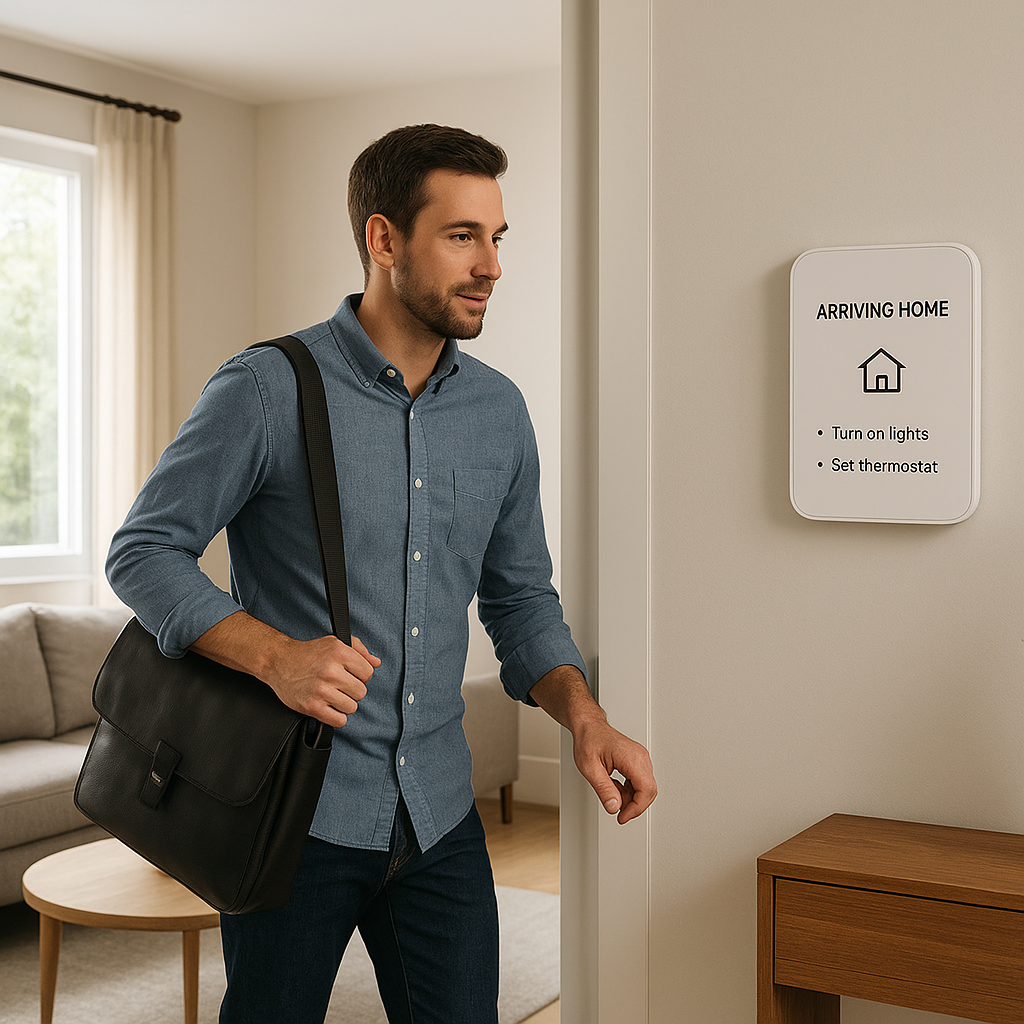
Matching ecosystems reduces friction: you avoid extra apps and can include your garage in broader “Goodnight,” “Away,” or “Arrive Home” scenes.
Secure Package Deliveries: How Smart Garage Controllers Help
Using temporary and one-time access codes for couriers
Some smart controllers work with keypads or virtual keys that support temporary codes. Instead of giving out your permanent keypad PIN, you can:
- Create a code that only works during a specific window (e.g., 1–4 p.m. on a delivery day).
- Generate single‑use codes that expire after they’re used once.
- Assign codes to specific people and track their usage in activity logs.
This is especially useful if a courier needs to leave a package inside while you’re in a meeting and can’t manually open the garage from your phone.
Coordinating with Amazon, Walmart, and other in-garage delivery services
Major retailers now support secure in‑garage delivery in some areas. For example, Amazon offers in‑garage drop‑offs through its Amazon Key In-Garage Delivery program where supported controllers and openers are installed.
Here’s how coordination typically works:
- You link your shopping account to the compatible garage app.
- On checkout, you select in‑garage delivery for eligible orders.
- The driver gets one‑time, time‑limited access to open your garage, place the package, and close it again.
- You receive notifications and can often see a photo or video of the delivery.
Other retailers and local services may provide similar options, so check which programs your chosen controller supports in your region.
Setting up delivery-only access windows and alerts
Even without official in‑garage programs, you can use schedules and alerts to make deliveries safer:
- Create a recurring access window on certain days and times for regular deliveries or services.
- Enable alerts specifically labeled as “Garage door opened during delivery window” so you can respond quickly.
- Combine schedules with auto‑close timers to ensure the door doesn’t accidentally stay open for hours.
These controls give couriers enough time to drop off packages while reducing the risk of leaving the garage exposed.
Pairing with cameras and sensors to verify deliveries
A smart controller is even more powerful when paired with a camera and extra sensors:
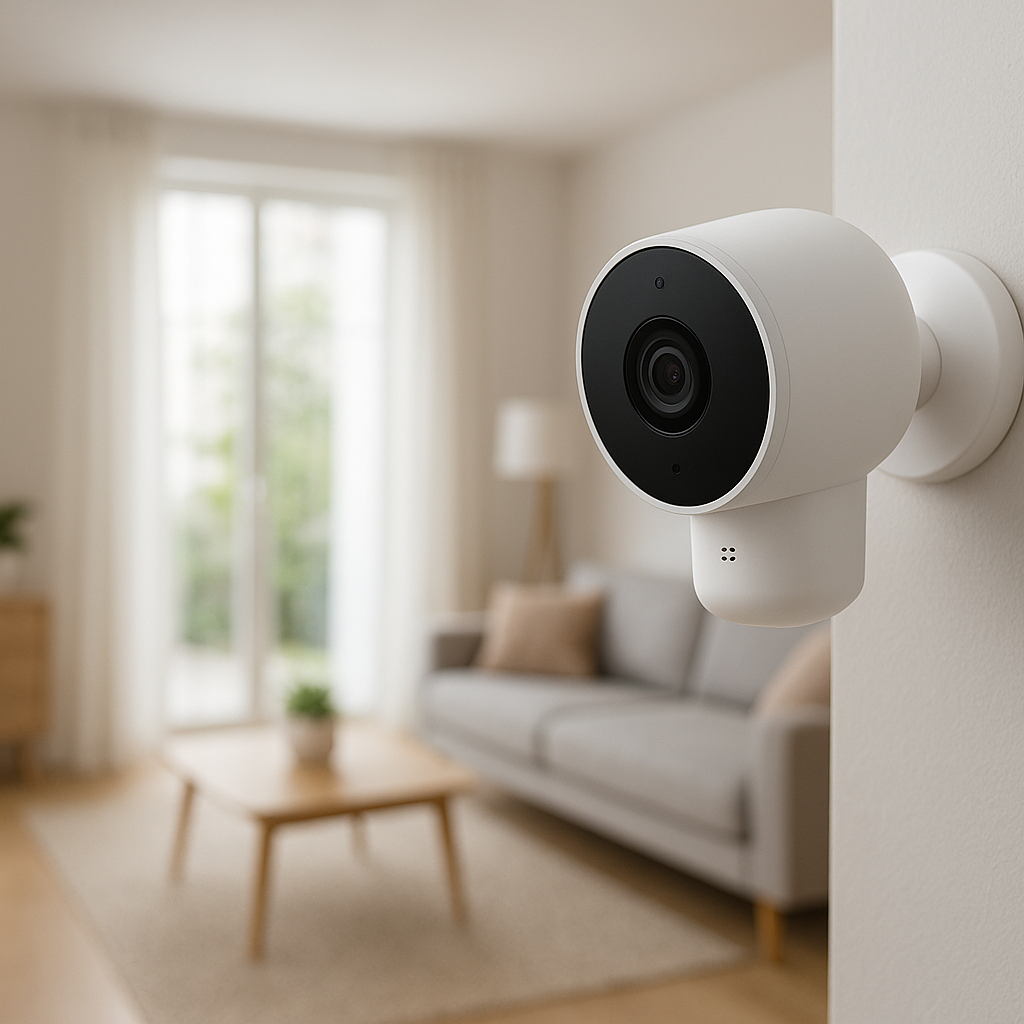
- Indoor or overhead garage camera: Lets you watch the delivery live or review recordings later.
- Door and motion sensors: Add redundancy; if your main opener sensor ever fails, you still have an independent way to track openings.
- Lighting automation: Trigger lights to turn on when the door opens for a clearer video and safer entry.
Put the camera where it can see both the garage door and the package drop‑off area while respecting privacy for any windows connected to living spaces.
Installation and Setup: Step-by-Step Overview
What you need before you start (tools, Wi‑Fi, opener compatibility)
Before installing a smart garage controller, double‑check:
- Strong Wi‑Fi signal in the garage: Test with your phone; if pages load slowly, consider a mesh node or extender.
- Compatibility: Confirm your opener’s brand/model/year against the controller’s compatibility list.
- Tools: Typically a screwdriver, drill or adhesive mounting strips, cable clips, and a ladder.
- Power outlets: Most controllers need a nearby outlet for the hub and sometimes for the sensor.
Mounting the controller and connecting to your existing opener
Exact steps vary by model, but generally you will:
- Mount the controller hub on the ceiling near your opener or on a nearby wall.
- Connect two low‑voltage wires from the controller to the same terminals the wall button uses.
- Install or attach the door sensor (tilt sensor on the door itself or wired sensor on the track).
- Secure cables with clips so nothing interferes with the door’s movement.
Always unplug your opener before working with its wiring, and never bypass existing safety sensors.
Setting up the mobile app and user accounts
Once the hardware is installed:
- Download the manufacturer’s app and create an account.
- Follow the in‑app wizard to add a new device, connect it to Wi‑Fi, and pair the door sensor.
- Name the door (e.g., “Garage,” “Workshop”) so it’s clear in notifications.
- Invite household members via email or SMS so they can install the app and get their own logins.
Take a few minutes to explore settings for alerts, auto‑close, and integrations before you rely on the controller day‑to‑day.
Testing safety sensors and configuring auto-close rules
Before trusting the system fully:
- Test that the door stops or reverses when you break the photo-eye beam during closing.
- Confirm the app correctly reports “open” and “closed” states after multiple cycles.
- Enable a conservative auto‑close rule (e.g., close after 15 or 30 minutes) and confirm it behaves correctly with warnings.
- Test remote operation while you’re outside the garage to ensure there are no Wi‑Fi or app issues.
Security & Privacy Best Practices for Smart Garage Access
Creating strong passwords and enabling two-factor authentication
Your account password protects your garage just as much as your physical lock does. Best practices:
- Use a unique, strong password for your garage app—preferably generated and stored by a password manager.
- Enable two‑factor authentication (2FA) if the vendor offers it.
- Avoid sharing your login; instead, invite others as separate users.
Managing family, guest, and delivery access permissions
Take advantage of built‑in access controls instead of sharing master credentials:
- Give family members their own accounts with full access.
- Create time‑limited or role‑based access for cleaners, pet sitters, or recurring services.
- Remove access promptly when someone no longer needs it.
Keeping access organized reduces confusion and makes logs more meaningful because you know which user triggered each event.
Reviewing access logs and alerts to spot suspicious activity
Logs and alerts are only helpful if you look at them. A quick weekly or monthly review is usually enough:
- Scan for activity at odd hours when no one should be coming or going.
- Check for repeated failed access attempts or unusual app errors.
- Verify that delivery-related events line up with your expectations.
If something looks off, change passwords, revoke guest access, and consider updating 2FA settings.
What to do if you lose your phone or change Wi‑Fi networks
Two situations require fast action:
- Lost or stolen phone: Log into your garage account from another device or browser, sign out all sessions, change your password, and revoke access for any suspicious devices.
- New router or Wi‑Fi name: Most controllers need to be put in setup mode again to join the new network. Plan for a few minutes of downtime and update Wi‑Fi details in the app.
Keeping a physical wall button and emergency release cord ensures you can still operate the door while you’re sorting out app or network issues.
Troubleshooting Common Smart Garage Door Controller Issues
Fixing Wi-Fi connectivity and range problems
Garages often sit at the edge of your Wi‑Fi coverage. If your controller shows as offline or responds slowly:
- Move your router closer to the garage or use a mesh Wi‑Fi system.
- Avoid placing routers behind metal shelves or near large appliances.
- Use the 2.4 GHz band, which has better range through walls than 5 GHz.
Dealing with app errors, offline status, or slow response
If the app misbehaves while Wi‑Fi is stable:
- Force close and reopen the app, or uninstall and reinstall it.
- Power‑cycle the controller by unplugging it for 10–15 seconds.
- Check the manufacturer’s status page or social channels for cloud outages.
- Ensure your phone’s OS and the controller app are up to date.
Opener compatibility issues and sensor misalignment
Sometimes the door won’t respond or shows the wrong status:
- Double‑check wiring to the opener’s wall‑button terminals.
- Confirm that the correct opener type is selected in the app’s settings.
- Make sure tilt or magnetic sensors are firmly mounted and aligned.
- Inspect safety photo-eyes on the tracks—dirty or misaligned sensors can stop the door from closing.
When to reset, update firmware, or call a pro
If problems persist:
- Look for a factory reset procedure in the manual and re‑add the device.
- Apply any available firmware updates from the app.
- If the physical opener itself struggles or makes unusual noises, contact a garage door professional—there may be mechanical issues beyond what a smart controller can fix.
Choosing the Right Smart Garage Door Controller for Your Home
Matching features to your priorities: security vs. convenience vs. budget
Start by ranking your priorities:
- Security first: Focus on strong encryption, robust logs, delivery integrations, 2FA, and camera pairing.
- Convenience first: Prioritize geofencing, voice control, auto‑close, and reliable notifications.
- Budget first: Choose a simpler controller that still supports core features (remote control, status, basic alerts) and skip advanced automations.
The best smart garage door controller is the one that covers your top two priorities without making setup or daily use overly complex.
Ecosystem considerations: Alexa, Google, HomeKit, SmartThings
Before locking in a purchase, review your current smart devices:
- Do you already rely on Alexa or Google for voice control? Pick a controller with native support.
- Are you building a privacy‑focused Apple HomeKit setup? Choose a HomeKit‑certified controller.
- Do you enjoy building advanced automations with SmartThings or IFTTT? Pick a controller with open integrations and good community support.
Aligning your garage controller with your existing ecosystem ensures future automations feel natural instead of bolted on.
Future-proofing: firmware support, integrations, and expandability
Smart devices age best when the manufacturer maintains them actively:
- Look for a history of regular firmware and app updates.
- Check whether the vendor is adding or dropping integrations you care about.
- Consider whether you might later add cameras, lights, or sensors and how easily those can connect.
Future‑proofing helps you avoid replacing the controller early just to gain a new integration or security feature.
Final Thoughts: Making Your Garage a Secure Entry Point for Packages
Quick checklist before you buy and install
Use this quick rundown before committing:
- Confirm your opener and door type are on the controller’s compatibility list.
- Test Wi‑Fi strength in your garage.
- Decide which ecosystem integrations (Alexa, Google, HomeKit, etc.) you need.
- Check for important security features: encryption, logs, user management, 2FA.
- Plan your installation path: power outlet, mounting location, and cable routing.
How to integrate your garage controller into your broader smart security setup
Once your controller is running smoothly, integrate it into a wider security plan:
- Link it with your smart lights so the garage and entryway light up when you arrive or when a delivery happens.
- Connect it to your security system or cameras to record clips each time the garage opens.
- Add it to home and away scenes so the door automatically checks and closes when you arm your system.
With the right controller and setup, your garage becomes a secure, monitored, and convenient access point for both family and deliveries—not a weak spot in your home’s defenses.
FAQ
Do I need a brand-new garage door opener to use a smart controller?
Usually not. Most smart garage door controllers are designed to work with existing openers from major brands, especially models made in the last 10–20 years. Check the compatibility list for your exact model before buying.
Can a smart garage door controller work without the internet?
If your internet is down but your home Wi‑Fi is still running, some controllers may still work locally through the app. However, many features such as remote access from outside the home or cloud notifications will be unavailable until your connection is restored.
Is it safe to let delivery drivers into my garage?
It can be safe if you use time‑limited access, real‑time notifications, and ideally a camera for visual confirmation. In‑garage delivery programs typically use one‑time credentials and strict logs to help keep access controlled.
Will a smart controller affect the safety sensors on my garage door?
A properly installed, reputable smart controller should never bypass your door’s built‑in safety sensors. The opener still controls motor movement and sensor logic; the controller just simulates a button press under software control.
What happens if the power goes out?
During a power outage, the smart controller and opener will stop working, just like a regular opener. You can still open the door manually using the emergency release cord. If power outages are common where you live, consider an opener with a battery backup.