If you’re short on space but tired of staring at a sink full of dishes, a smart countertop dishwasher can feel like a huge upgrade. These compact, Wi‑Fi enabled units sit on your counter, plug into a standard outlet, and can drastically cut down both your dish pile and your water bill.
This guide walks through what to look for in the best smart countertop dishwasher, how they compare to other compact and portable washers, and how to measure and plan for an easy, renter‑friendly setup. You’ll also find real‑world tips on noise, maintenance, and smart home integration so your new dishwasher fits your life, not the other way around.
Why Smart Countertop Dishwashers Are Perfect for Small Kitchens and Apartments
Common pain points in tiny kitchens: cluttered sinks, no space, and high water use
Small apartments, studios, and micro homes tend to share the same dishwashing problems:
- Perpetual sink clutter: With limited counter space, a few plates and pans can make the whole kitchen feel messy.
- No room for a built‑in dishwasher: Standard 24‑inch built‑ins need cabinet space, plumbing, and landlord approval.
- Hand‑washing fatigue: Washing every mug and bowl by hand takes time and often encourages people to “save it for later.”
- Water waste: Hand‑washing can use far more water than a well‑designed small dishwasher, especially if you leave the tap running.
A smart countertop dishwasher addresses all of these at once. It gives you a dedicated place to put dirty dishes, uses a controlled amount of water per cycle, and doesn’t require remodeling.
How smart features make compact dishwashers more efficient and convenient
Not every countertop unit is “smart.” The best smart countertop dishwashers add connectivity that actually matters in a small home:
- App control and notifications: Start a cycle from the couch, get a push alert when the load is done, or see if you left the door open.
- Usage reports: Track how often you run cycles, how much time they take, and sometimes estimated water and energy use.
- Cycle presets and custom programs: Save your ideal settings for “quick after dinner cleanups” or “heavier weekend cooking” runs.
- Remote troubleshooting: Some brands can pull diagnostics from the machine to guide you through simple fixes.
In a tiny home, timing and noise matter. Smart features help you run quieter cycles during the day, shift heavier loads to off‑peak power times, and avoid rerunning loads because you forgot they were finished.
Countertop vs portable vs built-in dishwashers: what’s different for renters?
If you’re renting, you typically have three realistic options:
- Countertop dishwashers: Sit on your counter (or a cart), hook to a faucet or have a built‑in water tank, and usually plug into a standard 120V outlet. Easy to move when you change apartments.
- Portable freestanding dishwashers: Full‑height or half‑height units on wheels that roll to the sink and connect via a faucet adapter. They offer more capacity than countertop models but take up floor space.
- Built‑in dishwashers: Installed under a counter with permanent plumbing. This generally requires landlord approval and sometimes cabinet modification.
Countertop dishwashers are the most “plug‑and‑play” for renters: no drilling, no permanent plumbing changes, and they qualify as an appliance you can easily take with you. Portable freestanding models are a good middle ground if you have a bit more space and want near full‑size capacity without permanent installation.
Key Features to Look For in the Best Smart Countertop Dishwasher
Smart connectivity: Wi‑Fi, app control, voice assistants, and usage reports
To count as a genuinely useful smart appliance, your countertop dishwasher should include:
- Wi‑Fi connectivity: Lets you connect to a companion app for remote control and status checks.
- Voice assistant support: Many smart models work with Amazon Alexa or Google Assistant for commands like “start the dishwasher” or “how much time is left?” HomeKit support is less common but starting to appear.
- Notifications: Look for alerts for cycle completion, error codes, low rinse aid, and leak detection (if supported).
- Usage statistics: Some apps track cycles and may estimate energy and water use, which is handy if you’re trying to reduce utility bills.
Before buying, check the app rating in the iOS App Store or Google Play. A solid dishwasher paired with an unreliable app can be frustrating.
Size, capacity, and place settings: what actually fits in a small kitchen
Countertop dishwashers come in slightly different footprints. Key numbers to check:
- Outer dimensions: Measure width, height, and depth and compare to your available counter or cart space. Don’t forget door clearance when open.
- Place settings: Most countertop units range from 4 to 6 place settings. That usually means dinner plate, side plate, bowl, glass, and cutlery per setting.
- Interior clearance: If you use oversized dishes or tall glasses, look for published maximum plate or pot height.
For one or two people who cook simple meals, a 4–6 place setting capacity used once a day is usually enough. If you batch cook or use lots of cookware, consider a larger countertop model or a portable freestanding dishwasher instead.
Installation and hookup options: faucet adapters, fill tank, or permanent line
Compact dishwashers typically use one of three water supply methods:
- Faucet hookup: The most common method. A quick‑connect adapter screws onto your kitchen faucet. Pros: no filling tanks; cons: incompatible with some pull‑down sprayers and specialty faucets.
- Built‑in water tank: You pour water into a tank (often 5–7 liters) each cycle. Pros: no faucet compatibility issues; cons: you must remember to refill and occasionally descale the tank.
- Permanent water line: A few compact models can be plumbed in like a built‑in dishwasher. Pros: very convenient; cons: usually not renter‑friendly unless the landlord agrees.
If you’re unsure about faucet compatibility, tank‑style models are the safest choice, though a traditional faucet connection is more hands‑off day to day.
Noise levels, energy use, and water consumption in small spaces
Noise is critical in studios or open‑plan apartments. Look for these specs:
- Noise level (dB): Many countertop units sit between 45–55 dB. Under 50 dB is generally comfortable in a small space; you’ll hear it, but it shouldn’t overpower conversation or TV.
- Energy consumption: If possible, choose an ENERGY STAR certified dishwasher to reduce electricity use over time.
- Water usage per cycle: Compact models often use 2–5 gallons (around 8–19 liters) per normal cycle, typically less than hand‑washing the same load.
If you sleep close to the kitchen, you may prefer to schedule cycles for daytime hours or when you’re out, which is where smart scheduling becomes genuinely useful.
Wash cycles, sanitizing options, and drying performance
Even small dishwashers can offer a range of cycles. Look for:
- Eco or light cycle: Uses less water and energy for lightly soiled dishes.
- Normal cycle: Your everyday workhorse for mixed loads.
- Intensive or heavy cycle: For pots, pans, and baked‑on food.
- Quick or express: Shorter cycles for lightly dirty dishes you want fast.
- Sanitize or high‑temp rinse: Helpful for baby bottles, cutting boards, and anyone with higher hygiene concerns.
Drying performance varies. Some countertop dishwashers use heated drying, some rely on residual heat, and a few use fan‑assisted or door‑auto‑open drying. If you don’t want to hand‑dry, prioritize models with explicit drying settings and good reviews for dry dishes, especially for plastics.
Best Smart Countertop Dishwashers for Small Kitchens (Top Picks)
Best overall smart countertop dishwasher for most apartments
The best all‑rounder for most renters will be a 5–6 place setting smart countertop dishwasher with:
- Wi‑Fi and app control for remote start and notifications
- Standard faucet hookup (with optional tank or line‑in kits if available)
- Noise levels under ~50 dB
- Eco, quick, and intensive cycles
- Clear interior layout that easily fits dinner plates and a few pots
Look at smart models from mainstream appliance brands or well‑reviewed compact‑appliance specialists. Prioritize reliability and app quality over flashy extras.
Best tank-style countertop dishwasher when you can’t access a faucet
If your faucet is incompatible with adapters, you share a kitchen, or you’re in a dorm‑style setup, a tank‑style dishwasher is ideal. Choose a model that offers:
- A clearly labeled fill level and easy‑access water port
- Visual or app alert when the tank is low
- Optional faucet hookup, so you have flexibility in your next apartment
- Good internal layout for tall glasses and bowls, since you may use it in spaces without full kitchen cabinets
Tank‑style smart dishwashers are also popular in RVs and tiny homes where plumbing is minimal but Wi‑Fi or mobile hotspots are available.
Quietest smart countertop dishwasher for studio apartments
If your bed is only a few steps from the sink, noise may be your top priority. For a quiet smart unit, look for:
- Published sound ratings near 45 dB or lower
- “Silent,” “night,” or “inverter motor” marketing that indicates a focus on noise reduction
- App scheduling so you can run the loudest parts of the cycle while you’re out
Some premium compact models also offer soft‑start pumps and better insulation around the tub. Combined with smart scheduling, this can make dishwashing almost unnoticeable in an open‑plan studio.
Most energy-efficient smart countertop dishwasher for eco-conscious renters
For lower energy and water use, focus on:
- ENERGY STAR certification or equivalent regional efficiency labels
- Eco and sensor‑based cycles that adapt to load size or soil level
- Detailed usage reports in the app, so you can see which cycles are most efficient
- Option to disable heated drying and let dishes air dry with the door slightly open
If your utility company offers time‑of‑use pricing, pair an efficient dishwasher with app‑based scheduling to automatically run during cheaper, off‑peak hours.
Budget-friendly smart countertop dishwasher under $400
Smart features are starting to appear even in budget compact dishwashers. In the under‑$400 range, you may trade some features, but you can still find:
- Basic Wi‑Fi connectivity and phone notifications
- 4–5 place settings, enough for one or two people
- Simple but effective wash cycles (eco, normal, intensive)
- Manual rather than advanced drying, which you can supplement by cracking the door open at the end
Before buying, check for spare parts availability, warranty terms, and how often the app is updated. A budget‑friendly appliance with good support can easily outlast a fancier model with poor service.
Compact Smart Washers and Portable Dishwashers: Alternatives to Countertop Units
When a portable freestanding dishwasher makes more sense than countertop
If you have a bit more floor space but still can’t install a built‑in, a portable freestanding dishwasher might be a better fit than a countertop unit. It can make sense if:
- You cook often and generate more dishes than a 6‑place setting unit can handle daily.
- You want to wash larger pans, baking sheets, or mixing bowls that won’t fit in a compact tub.
- You prefer loading from standing height rather than bending or reaching over a counter.
Many portable dishwashers now include smart features similar to their full‑size cousins, including Wi‑Fi, voice control, and app‑based diagnostics.
Compact smart washers for tiny homes, RVs, and micro apartments
Beyond dishwashers, you’ll also find compact smart washers for laundry in small spaces:
- Portable washing machines: Small drum washers on wheels that connect to a faucet and drain into a sink or tub. Some now offer app control and cycle alerts.
- Washer–dryer combos: Single units that wash and dry in the same drum, sometimes with Wi‑Fi for remote start and cycle notifications.
- All‑in‑one compact systems for RVs and boats: Designed for limited power and water, often with efficiency‑focused programs.
These can complement a smart countertop dishwasher in very small homes where building‑wide laundry isn’t convenient.
Comparing footprint, capacity, and flexibility across compact washer types
To choose between countertop dishwashers, portable dishwashers, and compact laundry washers, compare:
- Footprint: Countertop units consume counter area; portable dishwashers use floor space but can roll away; compact washers usually require a dedicated corner.
- Capacity: Countertop dishwashers are best for 1–3 people and lighter cooking. Portable dishwashers approach full‑size capacity. Compact laundry washers vary widely, but larger drums are better for bedding.
- Flexibility: Countertop and portable units are easiest to move between rentals. Built‑in or plumbed‑in combos are harder to relocate.
Map your kitchen and utility spaces and decide where you’re willing to “give up” space before committing to a specific type.
Measuring Your Space and Ensuring a Hassle-Free Setup
How to measure cabinet height, depth, and distance to outlets and faucets
Before ordering, grab a tape measure (and ideally a notepad) and check:
- Countertop depth: Measure from wall to edge. Many dishwashers need around 17–20 inches (43–51 cm) of depth. Make sure the back won’t hit a backsplash lip or window frame.
- Vertical clearance: Measure bottom of cabinets to countertop. Allow extra space for hoses and vents if the dishwasher exhausts heat upward.
- Distance to outlet: Note where the nearest grounded outlet is. The cord must reach without stretching across walkways.
- Distance to faucet or sink: If using a faucet hookup, confirm the included hose length and route. Avoid tight bends that could stress the hose.
Sketch a simple layout and keep it handy when comparing product dimensions.
Faucet compatibility, adapters, and what to check before you buy
Not every faucet plays nicely with dishwasher adapters. Check:
- If your faucet aerator unscrews. Many adapters replace the aerator.
- Whether you have a pull‑down spray head. These can be tricky; often you’ll need a tank‑style dishwasher or a new faucet.
- The thread size (metric vs imperial), especially in older buildings.
Most manufacturers list compatible thread sizes and include multiple adapter rings. If your setup is unusual, take photos of your faucet and bring them (or send them) to a hardware store for help selecting the right adapter.
Ventilation, drainage, and avoiding leaks in rentals
Compact dishwashers don’t vent outside, but they still produce heat and moisture. To keep your landlord and walls happy:
- Place the unit on a stable, water‑resistant surface.
- Leave space around the sides and back for air circulation.
- Secure the drain hose so it can’t slip out of the sink or drain pipe mid‑cycle.
- Use a drip tray or mat under the appliance if you’re especially worried about leaks.
Many smart dishwashers include leak or overflow sensors that will stop the cycle and alert you via the app if water is detected where it shouldn’t be.
Real-World Use: Noise, Performance, and Maintenance in a Small Apartment
How loud is a smart countertop dishwasher in an open-plan studio?
Noise perception depends on your room and your sensitivity, but as a guide:
- 45–48 dB: Quiet humming and water sounds; you can watch TV or talk comfortably nearby.
- 49–52 dB: Noticeable but not overwhelming; you might raise the TV volume slightly during pump cycles.
- Over 52 dB: More obvious, especially during spray and drain phases.
If you work from home or sleep in the same room, use the app to run longer or louder cycles when you’re out, and quick cycles when you’re home.
Loading tips to maximize capacity and avoid rewashing dishes
Because space is tight inside a countertop dishwasher, loading technique matters:
- Scrape food scraps into the trash, but no need to fully pre‑wash.
- Angle plates and bowls toward the spray arms so water can reach surfaces.
- Avoid stacking items; water can’t clean what it can’t reach.
- Place larger items at the sides or back to avoid blocking the spray arm.
- Use the cutlery basket efficiently—mix spoons, forks, and knives so they don’t nest together.
After a few cycles, you’ll find a pattern that fits your most used dishes. Some smart models even offer loading guides or diagrams in their companion apps.
Filter cleaning, descaling, and basic upkeep to extend lifespan
Compact dishwashers are relatively low‑maintenance, but a bit of regular care keeps them working well:
- Filter cleaning: Most have a removable filter at the bottom. Rinse it under the tap weekly to remove trapped food.
- Spray arm check: Occasionally remove the spray arms and clear any clogged holes with a toothpick.
- Descaling: In hard‑water areas, run a descaling cycle or a dishwasher cleaner product every 1–3 months to prevent mineral buildup.
- Gasket wipe‑down: Wipe door seals with a damp cloth to prevent mold and odors.
Your manual or app will usually include maintenance reminders. For general background on how dishwashers work and why filters matter, the overview on Wikipedia’s dishwasher article is a helpful reference.
Smart Home Integration: Connecting Your Countertop Dishwasher
Using Alexa, Google Assistant, and HomeKit with smart dishwashers
Most smart dishwashers connect to at least one major voice assistant:
- Amazon Alexa: Common commands include starting a cycle, pausing, or asking for remaining time.
- Google Assistant: Similar controls, sometimes including setting favorite cycles.
- Apple HomeKit: Less widely supported for dishwashers, but growing. Check compatibility before buying if you’re deep in the Apple ecosystem.
Integration steps usually involve connecting the dishwasher to its native app, then linking that app to your preferred assistant. From there, you can include the dishwasher in routines like “Goodnight” or “Leaving home.”
Automation ideas: run cycles off-peak, vacation modes, and leak alerts
Once connected, you can use automations to make dishwashing blend into your daily rhythm:
- Off‑peak scheduling: If your utility has cheaper power rates at night, schedule the dishwasher to start after your usual bedtime or during the afternoon when you’re out.
- Vacation mode: Some apps let you place the appliance into a low‑power state or remind you to leave the door slightly open to avoid odors if you’re away for a while.
- Leak alerts: If your model has a leak sensor, combine app notifications with smart home alerts (such as flashing a smart light) so you don’t miss a problem.
You can also tie the dishwasher into larger smart home scenes—for example, starting a load when your smart speaker announces the end of your evening routine.
Tracking water and energy use with smart plugs and energy monitors
If your countertop dishwasher isn’t natively “smart,” you can still track its energy use with:
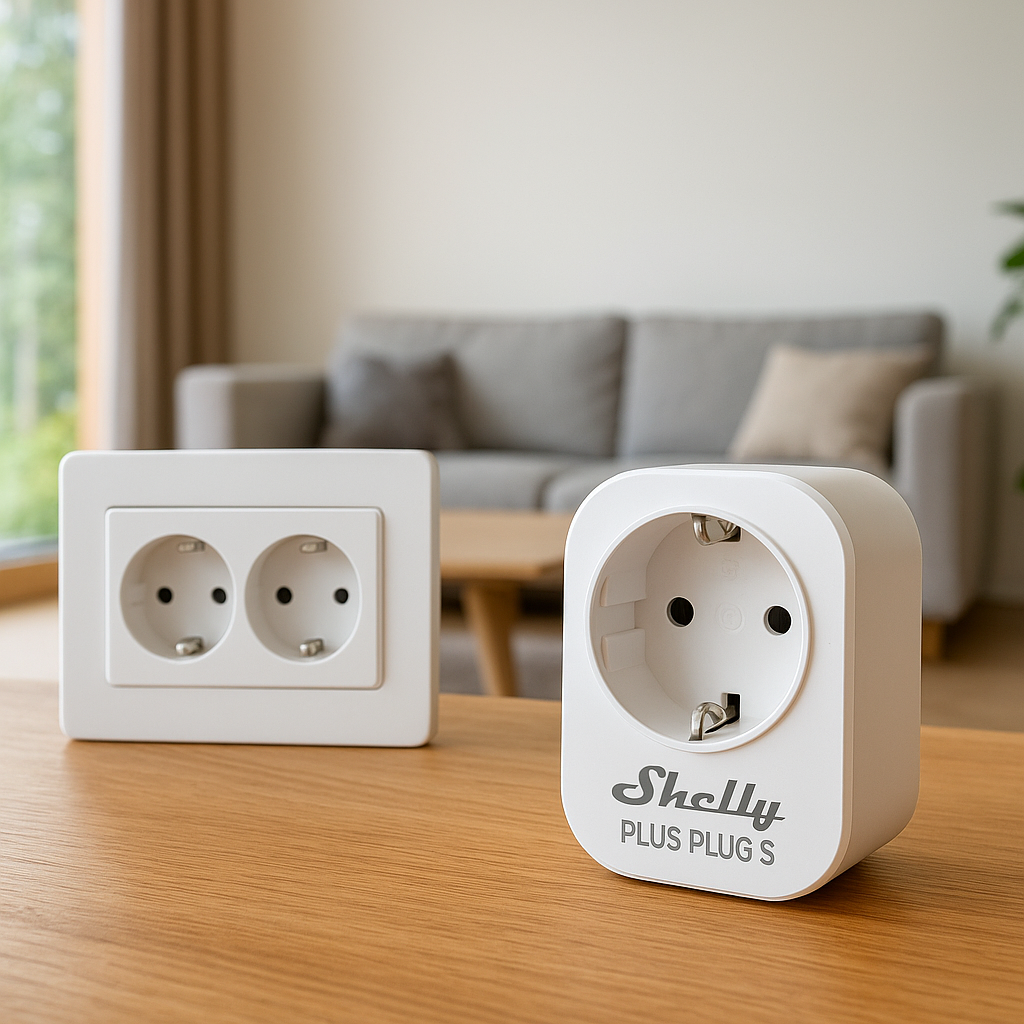
- Smart plugs with energy monitoring: These track power draw per cycle and send the data to an app.
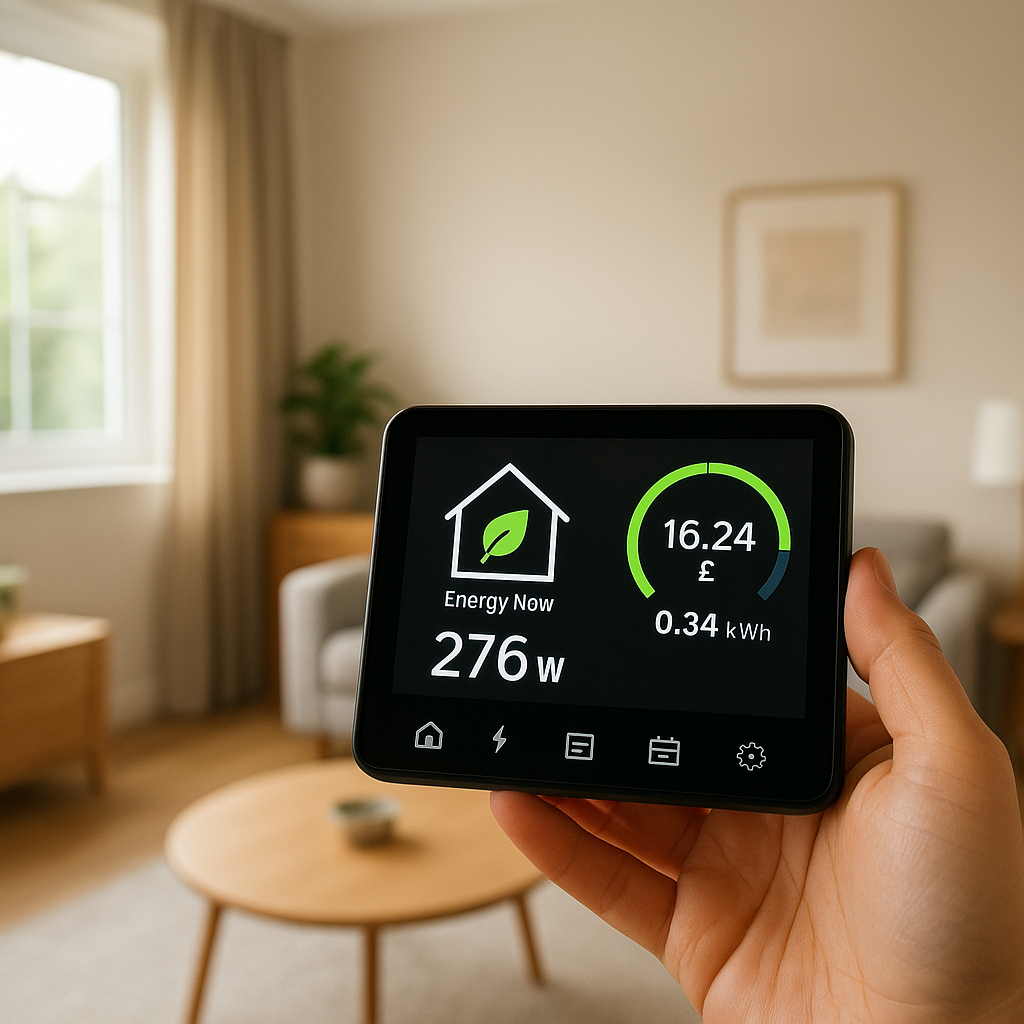
- Whole‑home energy monitors: These can sometimes detect dishwasher usage patterns even for non‑smart models.
Just be sure the smart plug can handle the dishwasher’s power rating, and confirm that the manufacturer doesn’t forbid their use. For water tracking, some compact smart water meters and under‑sink sensors can approximate how much water each cycle uses.
Buying Checklist: Finding the Best Smart Countertop Dishwasher for Your Needs
Questions to ask before you order (renters vs owners, single vs family)
Before clicking “buy,” run through this short checklist:
- Do I rent, and will this unit be easy to move to my next place?
- How many people live here, and how often do we cook?
- Where will I put the dishwasher—on the counter, on a cart, or on a separate stand?
- Is my faucet compatible with adapters, or do I need a tank‑style unit?
- Can I tolerate some noise, or do I need the quietest option available?
- Do I actually need full smart features, or would a simpler, non‑smart compact dishwasher plus a smart plug be enough?
Must-have vs nice-to-have features for small kitchens and apartments
To avoid paying for features you’ll never use, separate your wish list:
- Must‑haves: Correct size for your counter, reliable core wash performance, reasonable noise level, and a hookup type that works with your faucet or plumbing.
- Nice‑to‑haves: Advanced smart features like usage analytics, voice assistant support, fancy cycle names, and color‑matched finishes.
For most people, wash performance and reliability matter far more than niche smart tricks. It’s better to get a solid, simple machine than an unreliable high‑tech one.
Warranty, support, and return policies to consider for online purchases
Compact dishwashers are often bought online, so pay attention to:
- Warranty length: One year is common; longer coverage or extended plans can be worth it if you rely on the machine daily.
- Service network: Check if there are authorized service options in your region.
- Return policy: Confirm the window for returns and whether you need to keep the original packaging.
- Spare parts: Filters, racks, and hoses should be easy to order if needed.
A clear support path is especially important for smaller or newer brands in the compact appliance space.
Final Thoughts: Is a Smart Countertop Dishwasher Worth It for Your Small Kitchen?
Who will benefit most from a smart compact dishwasher
A smart countertop dishwasher is usually a great fit if:
- You live alone or with one partner and cook at home a few times per week.
- You’re tired of hand‑washing but can’t install a full‑size dishwasher.
- You like the idea of app control, notifications, and smart scheduling.
- You want to reduce water use compared to constant hand‑washing.
For many renters, the combination of small size, easy installation, and smart control makes these units one of the most impactful “quality of life” upgrades in the kitchen.
When to choose a compact washer, portable unit, or stick with hand-washing
That said, a smart countertop dishwasher isn’t always the right tool:
- Choose a portable freestanding dishwasher if you have space for a rolling unit and need more capacity for families or heavy cooking.
- Choose compact laundry washers if your bigger pain point is hauling clothes to a shared laundry room rather than washing dishes.
- Stick with hand‑washing if you cook rarely, have extremely limited space, or your kitchen layout makes any appliance hookup impractical.
The best choice is the one that fits your space, your routine, and your willingness to maintain and occasionally troubleshoot the appliance. A well‑chosen smart countertop dishwasher can quietly handle one of the most tedious chores in a small home—and free up your tiny kitchen for things you actually enjoy doing.
FAQ
Do smart countertop dishwashers clean as well as full-size models?
For normal everyday dishes, a good compact dishwasher can clean just as effectively as a full‑size unit. The main difference is capacity—what you can fit per load—not cleaning power. Be sure to load correctly and use the right cycle for heavily soiled items.
Can I install a smart countertop dishwasher without modifying my rental?
Yes. Most countertop units either hook up to an existing faucet with a removable adapter or use a built‑in tank you fill manually. Both options avoid permanent plumbing changes, which makes them renter‑friendly. Just confirm your faucet type and measure your space before buying.
Will a countertop dishwasher increase my electricity bill a lot?
Compact dishwashers generally use modest amounts of power, especially in eco modes. In many cases, they can reduce overall water and energy usage compared to hand‑washing, particularly if you wait to run full loads and avoid the hottest, longest cycles unless needed.
Is Wi‑Fi and app control really necessary on a countertop dishwasher?
Not strictly. The dishes will still get clean without smart features. However, Wi‑Fi and app control add convenience in small homes: you can schedule cycles, get completion alerts, and sometimes receive early warnings about issues like blocked filters or leaks.
Can I put a smart countertop dishwasher on a rolling cart instead of the counter?
Yes, as long as the cart is sturdy, level, and rated to hold the dishwasher’s weight plus water. Many people use utility carts to reclaim counter space. Just ensure the cart has locking wheels, easy access to power, and a safe route for the water and drain hoses.