
Smart coffee makers have quietly become one of the most useful gadgets in a connected kitchen. Instead of fumbling with filters and buttons before you’re fully awake, you can have your machine warm, ready, and already brewing as you walk into the kitchen.
This guide walks through how Wi‑Fi coffee makers work, which features actually matter, how they fit into a broader smart home, and specific recommendations for 2026. By the end, you’ll know exactly what to look for in the best smart coffee maker with Wi‑Fi for your home and routine.
Why Choose a Smart Coffee Maker with Wi‑Fi and Voice Control?
How smart coffee makers fit into a fully automated morning routine
A smart coffee maker is essentially a Wi‑Fi‑enabled brewer that connects to an app and, often, to voice assistants like Alexa or Google Assistant. Instead of pushing a button on the machine, you can:
- Schedule the brew the night before in an app.
- Trigger coffee to start when your alarm turns off.
- Say, “Alexa, start the coffee” from bed.
- Get a notification when the pot or cup is ready.
In a fully automated morning setup, your coffee maker becomes one part of a chain of events:
- Your smart alarm clock fades in sound and light at 6:30 am.
- Bedroom blinds open slightly, and the thermostat warms the house.
- Kitchen lights turn on to a comfortable brightness.
- Your coffee maker starts brewing so the first cup is ready when you walk in.
All of this can be orchestrated from your phone or a central smart home platform, so your mornings feel smoother and less rushed.
Key benefits vs traditional drip and pod coffee machines
Compared to traditional drip or pod machines, a Wi‑Fi coffee maker adds several quality‑of‑life upgrades:
- True hands‑free brewing: Start or schedule brews without touching the machine.
- Consistent timing: No more forgetting to press Brew; routines and schedules handle it.
- More precise control: Many smart models let you adjust strength, temperature, or size from the app.
- Status at a glance: Check if there’s water in the reservoir, whether the carafe is still hot, or if descaling is due.
- Integration with other devices: Coordinate with lights, thermostats, smart speakers, and smart plugs.
The underlying coffee technology is still drip, pod, or espresso, but Wi‑Fi and voice control let you use it in more flexible, automated ways.
Who actually needs a Wi‑Fi coffee maker (and who doesn’t)
A smart coffee maker is most helpful if you:
- Rely on a regular morning coffee routine and want it to be as effortless as possible.
- Already use smart assistants (Alexa, Google Assistant, Siri) for lights, music, or thermostats.
- Share a household where different people drink coffee at different times or strengths.
- Like the idea of managing everything from one app or central smart hub.
You probably don’t need Wi‑Fi in your coffee maker if you:
- Enjoy the ritual of manual brewing (pour‑over, French press, espresso by hand).
- Rarely drink coffee or don’t have a consistent schedule.
- Don’t plan to use voice assistants or any smart home platform.
If you’re building or expanding a smart kitchen, though, a connected coffee maker is one of the most satisfying upgrades because you feel the benefit every single morning.
Core Features to Look For in the Best Smart Coffee Maker with Wi‑Fi
Wi‑Fi connectivity, app control, and remote brewing
Not all “smart” coffee makers are equal. Some only offer basic app control, while others integrate deeply with your home network and automations.
Key things to check:
- Wi‑Fi band support: Most devices still use 2.4 GHz Wi‑Fi because it has better range. Dual‑band (2.4/5 GHz) support is a plus but not essential.
- App features: Look for scheduling, brew customization (strength, size, temperature), and maintenance alerts in the app.
- Remote start: Confirm that you can start brews from outside your home network if you want coffee ready when you arrive.
If you want to understand how these devices connect, the Wi‑Fi overview on Wikipedia gives a good technical background on home wireless networks.
Voice assistant compatibility (Alexa, Google Assistant, Siri/HomeKit)
Many of the best smart coffee makers with Wi‑Fi integrate with at least one major voice assistant:
- Amazon Alexa: Often the widest support. Look for “Works with Alexa” or a dedicated Alexa skill.
- Google Assistant: Common on brands that already support Google Home in other appliances.
- Apple Siri/HomeKit: Less common for coffee makers, but some support Siri Shortcuts or HomeKit via the manufacturer’s app.
Check what you can actually say. Useful commands include:
- “Alexa, start brewing coffee.”
- “Hey Google, set coffee strength to bold.”
- “Siri, run my morning coffee shortcut.”
If a model doesn’t support voice directly, you can sometimes work around it using a smart plug and routines that power the machine on at the right time.
Scheduling, routines, and automation triggers
Strong scheduling options separate average smart brewers from the best ones. Look for:
- Multiple schedules: Different times for weekdays and weekends.
- Per‑profile schedules: Separate routines for different household members.
- Integration with routines: Trigger brewing as part of your Alexa Routines, Google Home Routines, or Apple Shortcuts.
The most powerful setups use triggers like alarms, motion sensors in the hallway, or disarming your security system to start brewing automatically.
Brew strength, temperature control, and grind options
The smartest coffee maker is still a coffee maker first. Pay attention to:
- Brew strength: Light/medium/bold options are common; some allow fine‑grained control in the app.
- Temperature control: Higher‑end machines let you tweak water temperature (especially important for specialty coffee).
- Built‑in grinder: Some models grind beans fresh before brewing. Check if grind size is adjustable in the app or on the unit.
If you already own a good grinder, you may not need a built‑in one; a simpler smart drip machine might be better value.
Capacity, carafe type, and footprint for small kitchens
Smart features won’t compensate for a machine that doesn’t fit your space or household.
- Capacity: Single‑serve (pods), 10–12 cup carafes, or dual systems that do both.
- Carafe type: Thermal carafes keep coffee hot without a warming plate, which is better for flavor and energy use.
- Footprint: Measure height, depth, and clearance needed to open lids or fill the reservoir, especially under cabinets.
For small apartments, compact or single‑serve Wi‑Fi machines often make more sense than a full‑size drip brewer.
Energy‑saving modes and auto‑off safety features
Smart doesn’t just mean connected; it should also mean safer and more efficient.
- Auto‑off timers: The machine should shut off after a set time if you forget.
- Eco or standby modes: Reduce idle power draw while still staying connected to Wi‑Fi.
- Alerts: Some apps notify you if the machine has been on for an unusually long time.
These features are especially valuable if you often leave the house in a rush.
Smart Home Integration: Making Your Coffee Maker Part of a Bigger System
Linking your coffee maker with smart plugs, lights, and thermostats
Even if your coffee maker already has Wi‑Fi, pairing it with other devices can make your routine feel seamless:
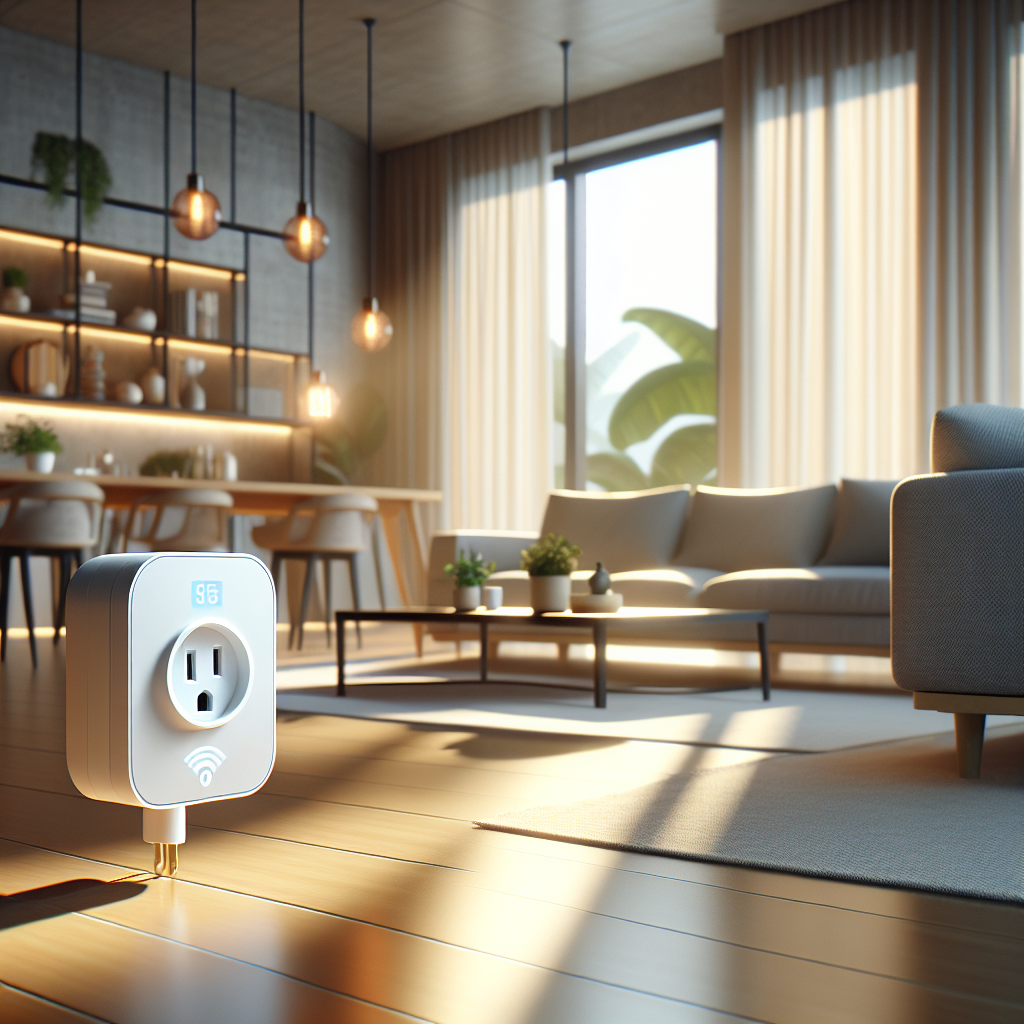
- Smart plugs: For non‑Wi‑Fi brewers, you can use a smart plug to turn the machine on at a set time (works best with machines that start brewing when powered).
- Smart lights: Have under‑cabinet or kitchen lights turn on at the same time the coffee starts.
- Thermostats: Pre‑heat your living area shortly before brew time for a more comfortable start to the day.
Using a common platform (Alexa, Google Home, or Apple Home) makes it easier to manage all of these in one place.
Creating morning scenes and routines (wake‑up, lights, and coffee together)
Scenes and routines allow you to bundle multiple actions into one trigger. For example:
- A “Good Morning” routine that, at 6:30 am:
- Turns on the bedroom and hallway lights to 30% brightness.
- Adjusts the thermostat to your awake temperature.
- Starts the coffee maker.
- Reads your calendar and weather from a smart speaker.
- A “Lazy Sunday” scene that starts coffee 30 minutes later, keeps lights dimmer, and queues up music in the kitchen.
Most platforms let you run scenes via voice commands, schedules, or specific triggers like sunrise.
Using IFTTT and other automation platforms for advanced workflows
For more complex automations, tools like IFTTT, Home Assistant, or SmartThings can connect services that don’t talk to each other directly. Examples include:
- Starting coffee when your fitness tracker logs that you’re awake.
- Only brewing if a motion sensor detects movement in the kitchen before a certain time.
- Sending a notification to your phone if the machine failed to start or water is low.
Check whether your coffee maker brand has an official IFTTT channel or open APIs; that will determine how advanced you can get.
Best Smart Coffee Makers with Wi‑Fi and Voice Control (2026 Recommendations)
Specific models and availability change rapidly, but these categories describe what to look for and typical examples on the market in 2026. Always confirm current specs before buying.
Best overall smart coffee maker for most homes
For most households, a 10–12 cup Wi‑Fi drip brewer with solid app control and Alexa/Google support is the sweet spot. Look for:
- Strong app with scheduling and brew customization.
- Thermal carafe and auto‑off safety.
- Native integration with at least one voice assistant.
Brands offering this style include GE’s Café line of smart drip brewers and similar “Works with Alexa” machines from major appliance makers.
Best budget smart coffee maker with app control
If you want Wi‑Fi without spending a lot, consider simpler models that focus on core features:
- Basic app to start/stop brews and set one or two schedules.
- Plastic housing, glass carafe, and a warming plate.
- Alexa or Google Assistant support, often via a cloud skill.
Budget smart coffee makers are ideal for renters, dorms, or secondary coffee stations where you still want automation but don’t need premium build quality.
Best premium espresso machine with Wi‑Fi and voice control
Premium bean‑to‑cup espresso machines with Wi‑Fi tend to emphasize app control and drink customization over direct voice commands, but some can be triggered through smart home integrations or shortcuts.
- Support for multiple drink profiles (espresso, cappuccino, latte) with app‑adjustable strength and volume.
- Wi‑Fi app for remote start and maintenance tracking (cleaning cycles, descaling reminders).
- Integration options like Siri Shortcuts or Alexa skills, depending on brand.
These machines suit coffee enthusiasts who want café‑style drinks with the convenience of scheduling and app control.
Best pod‑based smart coffee maker for convenience
Pod systems with Wi‑Fi are popular because they combine speed and simplicity with smart control. Features to prioritize:
- Pod recognition that adjusts brew settings automatically.
- App scheduling and brew strength adjustment.
- Integration with at least one voice assistant or smart home platform.
For example, Keurig’s smart line of brewers, such as the K‑Supreme Plus Smart, offers Wi‑Fi connectivity, app control, and integration with the Keurig app for remote brewing and customization. You can see how these work in practice on the official K‑Supreme Plus Smart product page.
Best compact smart coffee maker for small apartments
In small kitchens, depth, height, and counter space matter as much as features. Compact smart brewers often offer:
- Single‑serve or 4–5 cup capacity.
- Side‑fill or front‑fill reservoirs for under‑cabinet use.
- Basic app control and simple voice commands.
These are ideal if you live alone or with one other coffee drinker and want to keep counters uncluttered.
Comparison Table: Key Specs, Integrations, and Use Cases
Wi‑Fi standards, app ecosystems, and voice assistant support
When comparing models, create a simple table (even in a notes app) with columns for:
- Wi‑Fi: 2.4 GHz only or dual‑band.
- App: Brand app name and ratings in your app store.
- Voice: Alexa, Google Assistant, Siri/Shortcuts, or none.
This makes it clear which machines will fit best with your current smart speakers and hubs.
Brew options, capacity, and customization levels
Next, compare coffee capabilities:
- Drip vs pod vs espresso vs dual systems.
- Single‑serve, carafe size, or both.
- Brew strength options, temperature control, and specialty drink presets.
Match this to your household’s habits: an espresso lover’s needs are different from a family that drains a full carafe every morning.
Price ranges, warranties, and who each model is best for
Finally, weigh cost and support:
- Entry‑level: Basic Wi‑Fi drip or pod brewers, good for renters or light users.
- Mid‑range: Better build, thermal carafes, and stronger app features for most families.
- Premium: Espresso or dual systems with advanced customization for enthusiasts.
Check warranty length (typically 1–3 years) and whether local service is available. Premium machines are worth it only if you’ll use the advanced features regularly.
Setup Guide: How to Connect a Smart Coffee Maker to Wi‑Fi and Voice Assistants
Unboxing checklist and first‑time setup steps
Before you plug in your new coffee maker:
- Remove all packaging, tape, and internal cardboard.
- Wash the carafe, basket, and any removable parts.
- Perform a first “rinse” brew cycle with water only.
- Download the manufacturer’s app and create or sign in to your account.
Most apps will walk you through connecting the machine step by step.
Connecting to your 2.4 GHz / 5 GHz Wi‑Fi network
Typical Wi‑Fi setup steps:
- Open the app and select “Add device” or “Set up new coffee maker.”
- Put the machine in pairing mode (usually by holding a Wi‑Fi or power button).
- Select your home Wi‑Fi network and enter the password.
- Wait for confirmation and name the device (e.g., “Kitchen Coffee”).
If your router combines 2.4 and 5 GHz into one network name, the app usually handles it. If connection fails, try temporarily disabling 5 GHz or moving closer to the router for setup.
Linking to Alexa, Google Assistant, and Apple Home
Once the machine is online:
- Alexa: Enable the manufacturer’s skill in the Alexa app, sign in, and discover devices.
- Google Assistant: In Google Home, tap “+” → “Set up device” → “Works with Google,” then select the coffee brand and link your account.
- Apple: If HomeKit or Siri Shortcuts are supported, follow prompts in the brand app to add the device to Apple Home or create shortcuts.
After linking, test with a simple voice command like “turn on coffee maker” to confirm everything is connected.
Testing voice commands and remote brewing
Before relying on automations, run a few tests:
- Try multiple commands: start, stop, set strength, or ask for device status if supported.
- Test from your phone over mobile data to confirm remote control works when you’re not home.
- Run one full scheduled brew to ensure timing and notifications are correct.
This is also a good time to adjust notification settings so you’re only alerted for things you care about (e.g., brew finished, low water, maintenance).
Automation Ideas: Building a Fully Automated Morning Coffee Routine
Scheduling brew times for weekdays vs weekends
Most people have different wake‑up times on workdays and days off. Use:
- A weekday schedule (e.g., 6:30 am, Monday–Friday).
- A weekend schedule (e.g., 8:00 am, Saturday–Sunday).
Some apps allow multiple schedules; others require using voice assistant routines for more advanced timing. You can also create seasonal schedules if your routine changes.
Syncing coffee with your smart alarm and bedroom lights
A very comfortable setup is to link your coffee routine to your wake‑up process:
- Your smart alarm gradually increases sound and turns on your bedside lamp.
- Once you dismiss the alarm (not snooze), a routine triggers the coffee maker.
- Hallway and kitchen lights turn on low so you’re not walking into a bright shock.
This helps reduce the temptation to stay in bed and gives you a clear incentive to get moving.
Using location and presence detection (coffee starts when you wake or arrive)
If your schedule varies, presence‑based automation can help:
- Start brewing when your phone connects to home Wi‑Fi in the morning.
- Trigger coffee when a motion sensor detects you leaving the bedroom.
- Begin a brew when you arrive home from an early workout or night shift.
Presence detection works best when you test it for a few days and adjust any triggers that fire too often or at the wrong times.
Troubleshooting missed brews, time shifts, and daylight savings changes
Automated schedules can sometimes drift or fail, especially after time changes or router reboots. If you notice missed brews:
- Check that the coffee maker’s internal clock matches your phone and router time.
- Verify time zone settings in the app.
- Re‑save schedules after daylight savings changes.
- Confirm the machine is still connected to Wi‑Fi and hasn’t been renamed or moved to a different room in your smart home app.
Adding a backup voice command routine (e.g., “Good Morning” that also triggers coffee) can help cover occasional schedule glitches.
Common Problems and Troubleshooting for Wi‑Fi Coffee Makers
Coffee maker keeps disconnecting from Wi‑Fi
Frequent disconnects usually come down to signal strength or router settings:
- Move the coffee maker or router closer together, or reduce metal or appliance obstructions.
- Ensure the 2.4 GHz network is enabled and not overloaded.
- Assign the coffee maker a static IP or reserve its IP in your router to prevent conflicts.
- Update your router firmware and the coffee maker’s firmware.
If possible, avoid placing the coffee maker directly under a microwave or thick concrete wall, which can interfere with Wi‑Fi.
Fixing delayed or failed scheduled brews
If schedules don’t run as expected:
- Confirm the machine is powered on and not in an error state (e.g., no water, missing carafe).
- Double‑check that schedules are enabled and set to the correct days.
- Test by setting a schedule a few minutes in the future while you watch.
- Recreate schedules after app updates or factory resets.
Some brands require the coffee maker to be in “ready” mode (not deep sleep) for schedules to start; check the manual for any quirks.
Voice commands not working or not recognized
If voice commands suddenly stop working:
- Ask your assistant, “What can I say to control [device name]?” to see supported phrases.
- Verify the coffee maker is still linked in the Alexa/Google/Apple app.
- Rename the device to something simple like “Coffee” and avoid similar‑sounding names.
- Disable and re‑enable the integration or skill if needed.
Sometimes only specific phrases are supported (e.g., “turn on coffee maker” rather than “start brewing”), so small wording changes can fix the problem.
App notifications, firmware updates, and error codes
Keep an eye on app alerts and updates:
- Enable maintenance and error notifications but mute less useful alerts if they become noisy.
- Install firmware updates during the day, not right before bed or a crucial morning.
- Look up error codes in the manual or support site; many relate to water level, temperature, or cleaning cycles.
Regular firmware updates can improve connectivity, add new features, and fix early bugs.
Maintenance, Cleaning, and Longevity Tips for Smart Coffee Machines
Descaling schedules and water filter management
Smart features don’t eliminate maintenance; they just make it easier to remember.
- Follow the manufacturer’s descaling schedule, which is often based on water hardness and brew count.
- Use the app’s reminders so you don’t skip cycles.
- Replace internal water filters on time to protect both flavor and internal components.
Using filtered water can reduce scale buildup and extend the life of the machine.
Keeping sensors and internal components in good condition
Wi‑Fi coffee makers often have extra sensors for water level, temperature, or carafe detection. To keep them working well:
- Clean the water reservoir and lid regularly to prevent residue that can affect sensors.
- Make sure the carafe is properly seated so mechanical sensors engage.
- Avoid forcing or slamming doors and hatches that house electronics.
If the app reports incorrect water levels or frequent errors, a careful cleaning of the reservoir, float, and surrounding components often helps.
Protecting electronics from steam, heat, and power surges
Smart coffee makers add circuit boards and Wi‑Fi radios that need a bit more care:
- Leave space above and behind the machine so steam doesn’t condense directly into cabinets or outlets.
- Avoid placing the brewer directly under low cabinets where steam has nowhere to go.
- Use a surge protector to guard against power spikes that could damage Wi‑Fi modules.
These small steps can significantly extend the life of any connected appliance.
Privacy, Security, and Data Concerns with Wi‑Fi Coffee Makers
What data your coffee maker app typically collects
Most coffee maker apps collect relatively simple data compared to smart cameras or speakers, such as:
- Device identifiers and status (on/off, brew count, errors).
- Brew schedules, strength settings, and usage patterns.
- App analytics (crash reports, feature usage, general location).
Review the privacy policy inside the app to see exactly what’s stored and whether data is shared with third parties for analytics or marketing.
Securing devices on your home network and guest Wi‑Fi
Even a coffee maker is part of your home’s security surface. Sensible steps include:
- Using strong, unique passwords for your Wi‑Fi and manufacturer account.
- Keeping your router firmware up to date.
- Placing smart appliances on a guest or IoT network if your router supports it.
- Disabling remote access if you never use it.
For a broader overview of home network security concepts, the network security sections in resources like the Wi‑Fi article linked above are useful starting points.
When to disable cloud features or voice access
You can reduce exposure further by turning off features you don’t use:
- Disable voice assistant access if no one in your home uses it.
- Turn off remote access if you only control the machine while you’re at home.
- Opt out of optional analytics or marketing data collection when possible.
Your coffee maker will still brew just fine with minimal cloud connectivity; you can always re‑enable features later if needed.
Is a Smart Coffee Maker with Wi‑Fi Worth It? Final Buying Checklist
Quick decision guide by lifestyle and budget
Here’s a simple guide:
- Busy household, consistent schedule: A mid‑range smart drip brewer with Wi‑Fi and Alexa/Google support is usually worth it.
- Solo user in a small space: Consider a compact pod or small drip machine with basic app control.
- Coffee enthusiast: A premium Wi‑Fi espresso or bean‑to‑cup machine offers the most customization, at a higher price.
- Occasional coffee drinker: A basic non‑smart machine or a smart plug with an existing brewer may be enough.
Questions to ask before you buy (compatibility, space, power)
Before clicking “buy,” run through these:
- Does it work with the voice assistant and smart home platform you already use?
- Will it fit under your cabinets, including lid clearance?
- Is your Wi‑Fi signal strong in the kitchen?
- Do you prefer drip, pod, espresso, or a combination?
- Is the warranty reasonable for the price?
Answering these questions up front prevents frustration and returns later.
Future‑proofing your smart kitchen coffee setup
Smart home standards and ecosystems evolve, but you can make choices that age well:
- Pick brands with a track record of app updates and long product support.
- Favor models that work with multiple platforms (e.g., Alexa and Google) or open integrations.
- Consider how your coffee habits might change—will you want espresso later, or is drip forever?
A well‑chosen smart coffee maker can serve you for years, quietly handling one of the most important parts of your morning.
FAQ
Can a smart coffee maker grind beans automatically?
Some smart coffee makers include built‑in grinders that can grind and brew on a schedule. Others require pre‑ground coffee or a separate grinder. If you want fully automated bean‑to‑cup brewing, look specifically for “grind and brew” models with app control.
Do I need a special router for a Wi‑Fi coffee maker?
No, most models work with standard home routers. They typically need a 2.4 GHz network and a stable signal where the coffee maker sits. Mesh Wi‑Fi systems can help if your kitchen is far from the router.
Will my coffee maker still work if the internet goes down?
Yes, you can almost always start a brew from the physical buttons on the machine. App control and remote access may stop working without internet, but basic brewing continues as normal.
Is it safe to leave a smart coffee maker plugged in all the time?
Smart coffee makers are designed to stay plugged in so they can maintain Wi‑Fi connections and schedules. Auto‑off timers and safety features help reduce risk, and using a surge protector adds an extra layer of protection.
Can I add smart features to a regular coffee maker?
You can approximate some features using a smart plug and routines. If your existing coffee maker starts brewing automatically when powered on, a smart plug can handle scheduling and remote on/off. You won’t get brew customization or maintenance alerts, but it’s a low‑cost way to automate an older machine.